

1. Creative Listening

    Comment

    Transcribed talks by Ratnaghosa
    Talk five of six on patience or kshanti

    At the beginning of this series of talks I was keen to point out that Kshanti is not a passive virtue. To practise Kshanti requires energy. You need to make an effort in order to be patient, or to practise forgiveness or tolerance. I have chosen the title “creative listening” to indicate that the topic of this talk, receptivity, also requires energy and effort. It is perhaps understandable that receptivity should be thought of as passive.

    You don’t have to make an effort to receive. Or so we think, at least. But what about receiving criticism or praise, don’t we have to make an effort to listen to what is being said and remain open to it? Receptivity as an aspect of Kshanti is receptivity to the Dharma. To be receptive to the Dharma means to hear the Dharma, to listen to the Dharma and to allow oneself to be affected by it. Listening includes reading by the way.

    Creative listening or creative reading is listening or reading in a way that is not passive. It means actively engaging with whatever is being heard or read, asking oneself how does it apply to me, how is it related to the actual practice of the spiritual life. Continue reading


  2. Mother and Child

    Comment

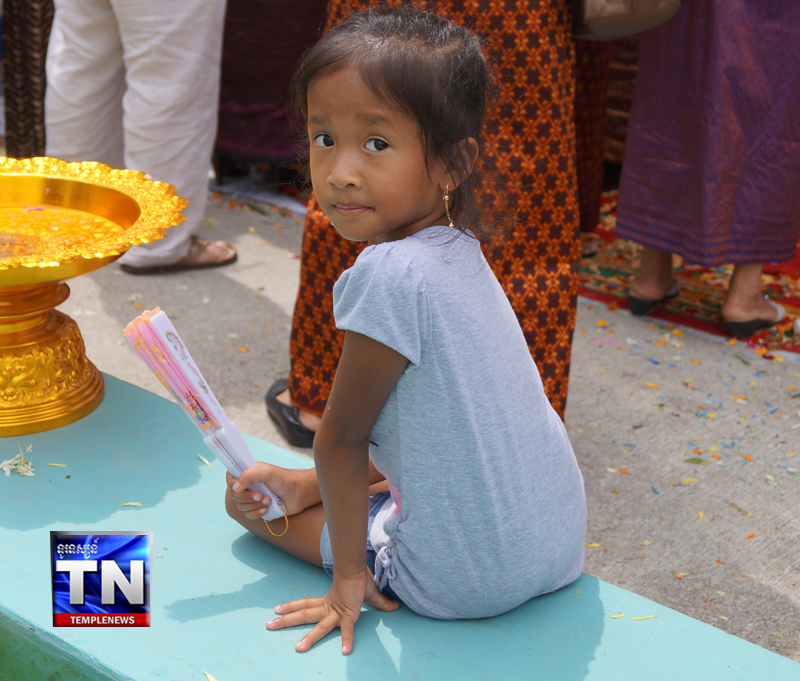
    We worry about what a child will become tomorrow, yet we forget that he is someone today. ~Stacia Tauscher quotes

  3. The Art of Disagreement

    Comment

    Transcribed talks by Ratnaghosa
    Talk four of six on patience or kshanti 

    Tolerance is not always seen as a virtue. Some of the connotations of the term tolerance are not very pleasant. For instance, to tolerate can mean to put up with something in a rather grudging or resentful manner or tolerance can be associated with weakness, an inability to stand your ground and assert yourself. I have heard tolerance defined as supercilious condescension. And tolerance is often thought to mean agreement. Tolerance is not always seen as a virtue and even when it is seen as a virtue it is often misunderstood.

    From a Buddhist perspective, tolerance is extremely important and it has been a hallmark of Buddhism down the twenty five centuries of its history. Tolerance is the acceptance that other people hold different views from ourselves. Tolerance is the willingness to allow others to be different in their views and actions. Above all tolerance is the absolute avoidance of using power, violence or coercion to force oth Õer people to think and believe as we do.

    Tolerance is an attitude of loving kindness (metta) towards those who hold views which are different from ours and even towards those who hold views which are repugnant to us. Intolerance on the other hand is the willingness to use and the use of force, violence and coercion to make other people behave as we want them to and hold the views we want them to hold. Continue reading

  4. Buddhism – Major Differences

    2

    Snapshots of Buddhism: Summaries of Teachings and Topics

    1. There is no almighty God in Buddhism. There is no one to hand out rewards or punishments on a supposedly Judgement Day.
    2. Buddhism is strictly not a religion in the context of being a faith and worship owing allegiance to a supernatural being.

    3. No saviour concept in Buddhism. A Buddha is not a saviour who saves others by his personal salvation. Although a Buddhist seeks refuge in the Buddha as his incomparable guide who indicates the path of purity, he makes no servile surrender. A Buddhist does not think that he can gain purity merely by seeking refuge in the Buddha or by mere faith in Him. It is not within the power of a Buddha to wash away the impurities of others.

    4. A Buddha is not an incarnation of a god/God (as claimed by some Hindu followers). The relationship between a Buddha and his disciples and followers is that of a teacher and student. Continue reading

  5. Before I was a Mom

    Comment

    Before I was a Mom –
    I slept as late as I wanted and never worried about how late I got into bed.
    I brushed my hair and my teeth everyday.

    Before I was a Mom –
    I cleaned my house each day. I never tripped over toys or forgot words to a lullaby.
    I didn’t worry whether or not my plants were poisonous.
    I never thought about immunizations.

    Before I was a Mom –
    I had never been puked on – Pooped on – Spit on – Chewed on, or Peed on.
    I had complete control of my mind and My thoughts. I slept all night. Continue reading

  6. Smiling heart

    4

    Nothing shakes the smiling heart.  ~ Santosh Kalwar

  7. Wear a big smile

    Comment

    People seldom notice old clothes if you wear a big smile. ~Lee Mildon


  8. Kneeling in the Snow

    Comment

    Transcribed talks by Ratnaghosa
    Talk two of six on patience or kshanti

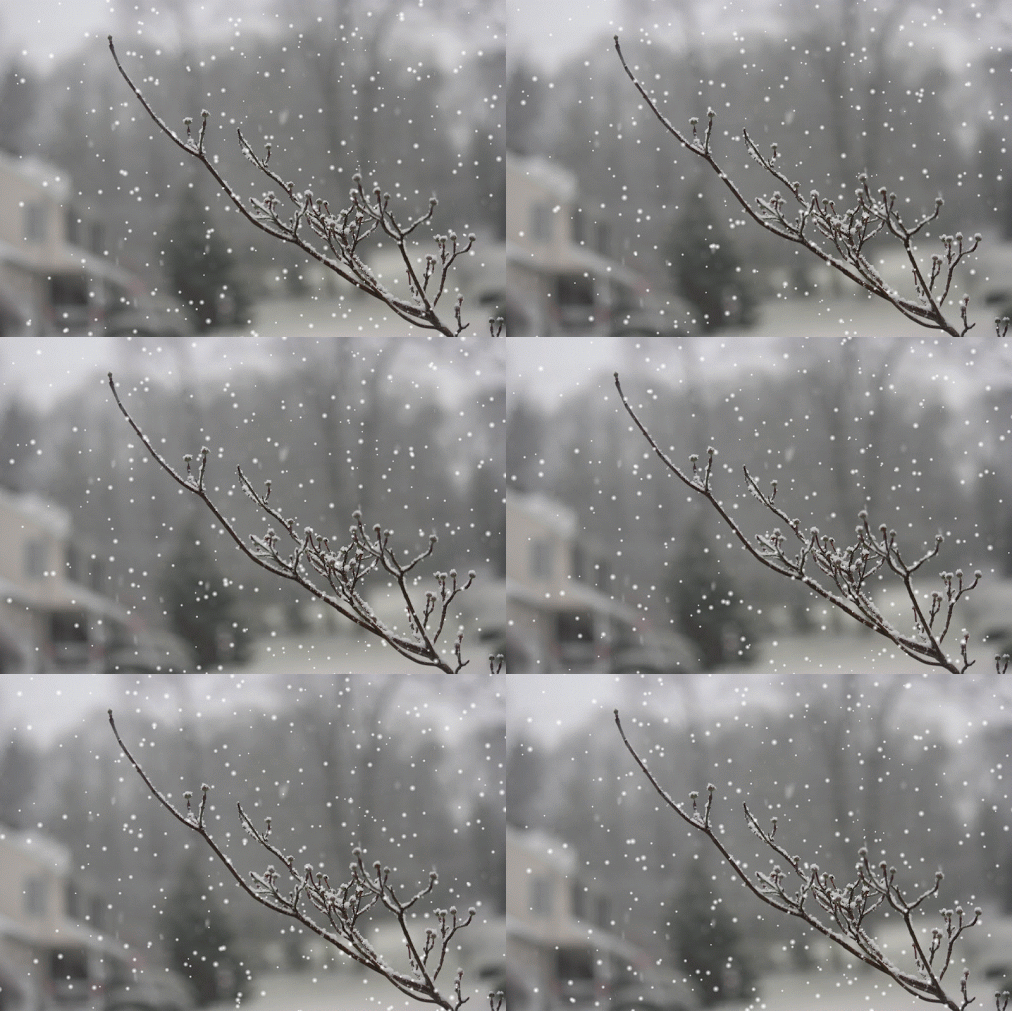
    The title of this talk comes from an image that stuck in my mind after reading a book several years ago. I don’t recall the title of the book now. It was written by a Dutch man and was about his experiences of living in a Zen monastery in Japan. One of the things he mentioned was the tradition of making newcomers wait outside for a few days as a sort of test of their aspiration and commitment to join the monastery.

    They would have to hold themselves in a particular position, probably more like squatting than kneeling, and just wait. Sometimes the Abbot would send someone out to chase them away.

    This was a compassionate act to give them respite from their uncomfortable position, although the novices wouldn’t necessarily know that. So if they really wanted to join the monastery badly enough, they would just wait – kneeling in the snow – as I’ve put it (perhaps fancifully). They would be patient.

    Can you imagine the dark, angry, resentful thoughts that might assail you if you were put in that position? Even if you knew it was a ritual of waiting – you would still find it hard to put up with. So the ability to exercise patient endurance was seen as a necessary prerequisite for monastic life. It’s as if the Zen monks are saying “If you don’t have patience, if you can’t endure, well, don’t bother, because you won’t get very far”. Continue reading

  9. And Grandma’s too…

    Comment
     unknown

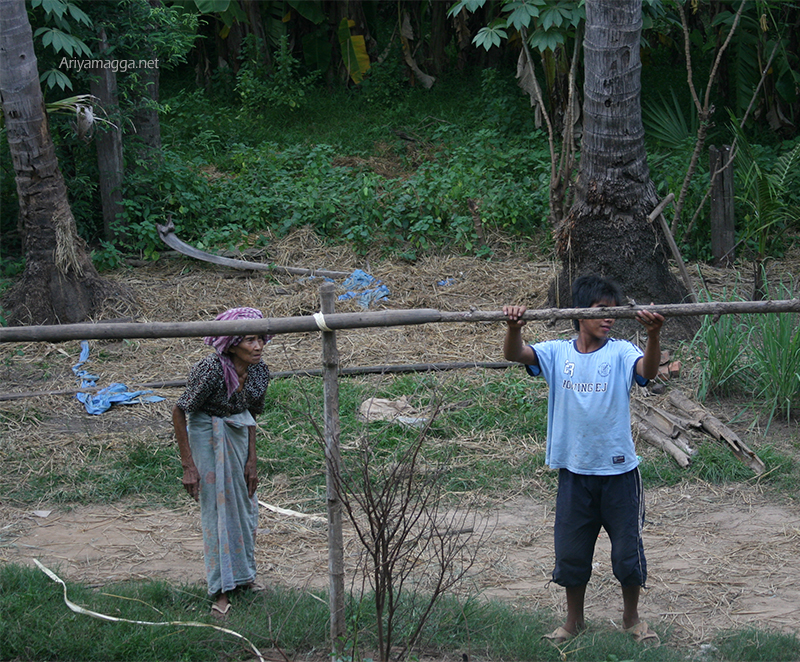
    Grandma in Cambodia

    While we honor all our mothers
    with words of love and praise.
    While we tell about their goodness
    and their kind and loving ways.
    We should also think of Grandma,
    she’s a mother too, you see….
    For she mothered my dear mother
    as my mother mothers me.

    ~Author Unknown

Hermit of Tbeng Mountain

Sachjang Phnom Tbeng សច្ចំ​​ ភ្នំត្បែង is a very long and interesting story written by Mr. Chhea Sokoan, read by Jendhamuni Sos. You can click on the links below to listen. Part 1 | Part 2

List of Khmer songs