
1. Health benefits of snake gourd

    Comment
    squash081515

    Snake gourd

    Nutritional Value of Snake Gourd

    Snake Gourd contains a rich variety of nutrients, vitamins, and minerals that are essential for human health, including significant levels of dietary fiber, a small number of calories, and high levels of protein. In terms of vitamins, snake gourd possess vitamin A, B, C, as well as manganese, magnesium, calcium, iron, potassium, and iodine.

    Health Benefits of Snake Gourd

    Detoxify the Body: Snake gourd has been used as a diuretic in traditional medicine for many years, as it stimulates the liver and increases urination, thereby speeding up the elimination of toxins from the body. It also increases the creation of bodily fluids, which can eliminate dryness and dehydration, which also helps in the normal functioning of the kidneys and bladder. Juice from the leaves can also stimulate vomiting in case something toxic has been consumed.

    Digestive Issues: Children with bowel problems have been given snake gourd to ease their discomfort, as it acts as a mild laxative. Furthermore, the high fiber content of snake gourd can help anyone with bowel disorders and can eliminate constipation, reduce cramping and bloating, and optimize the nutrient absorption process in the body.

    Fever Reduction: In many tropical countries, fever can be a major danger to public health, regardless of its cause. Snake gourd can be turned into a decoction and given to people suffering from fever. Overnight, fevers tend to break and the natural healing process can begin. Continue reading
  2. Happiness and suffering

    Comment

    Happiness and suffering do not depend on being poor or rich, they depend
    on having the right or wrong understanding in our mind. ~Ajahn Chah

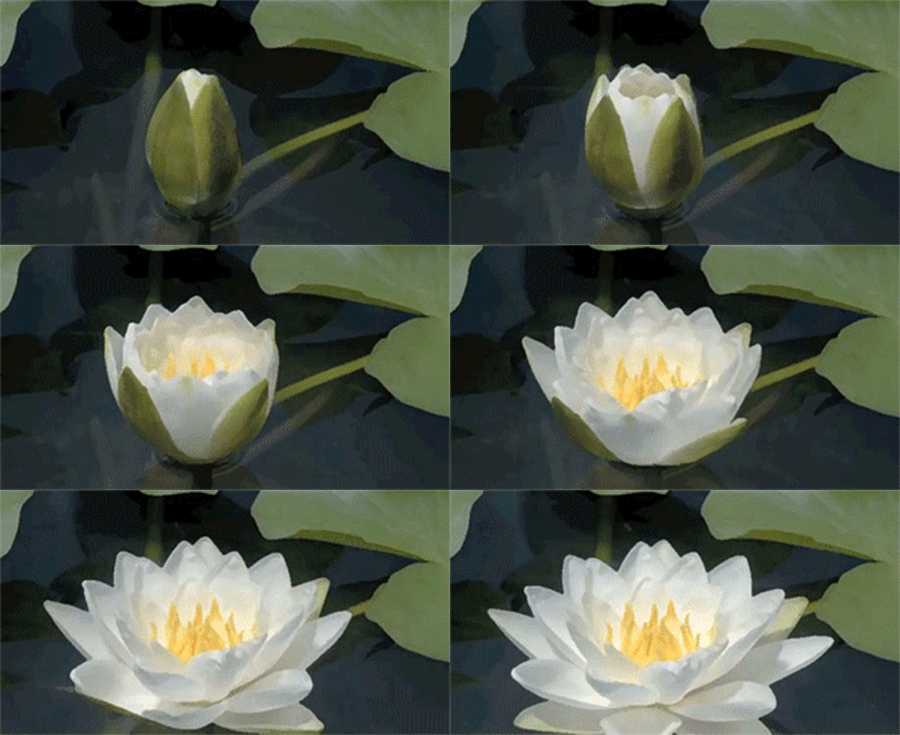
    white-lotus-animation082015

  3. Plains Bison

    Comment

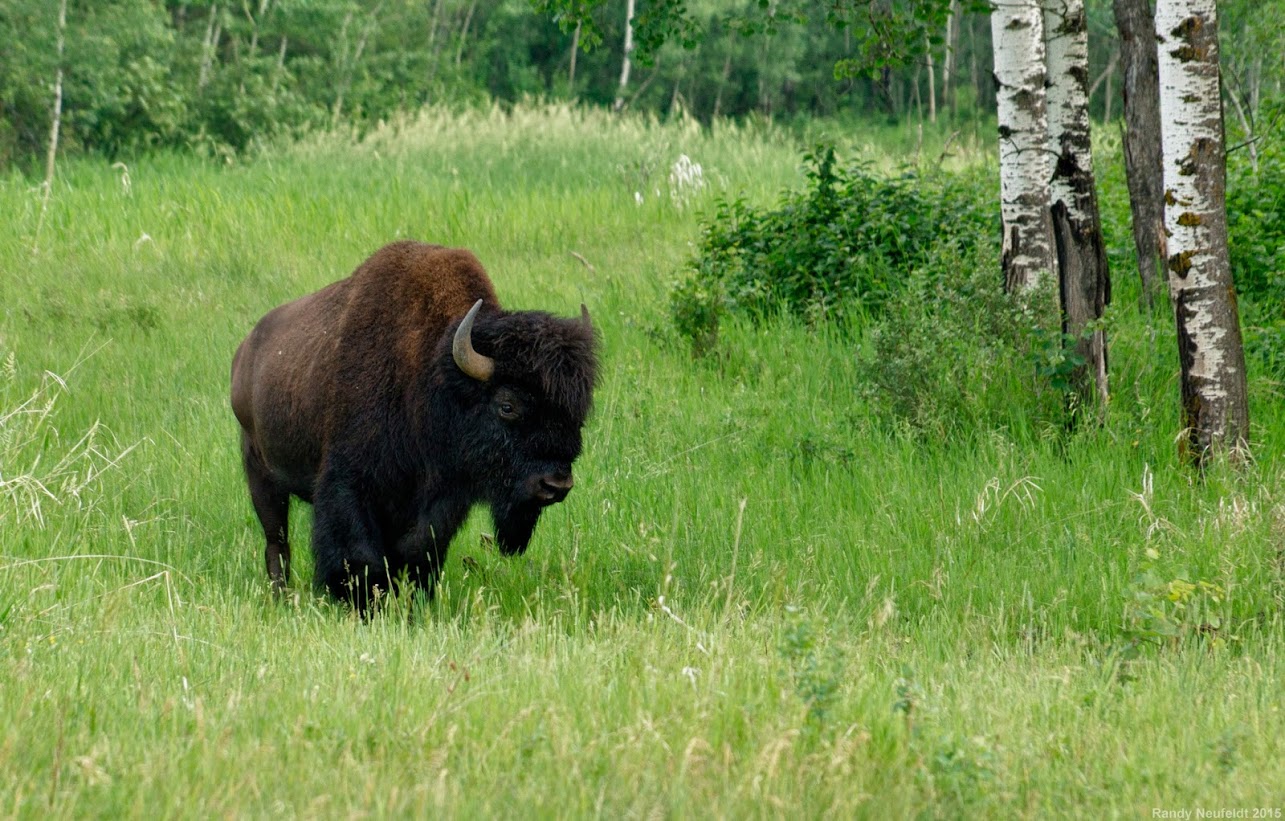
    Plains Bison – Elk Island National Park. Photo credit: Randy Neufeldt


    Symbols of strength and determination, bison are Ice Age survivors. Clearing away snow and brush with their massive heads, they weigh up to 2,000 pounds and can run up to 40 miles per hour. Once numbering 30-60 million in North America, their numbers were decimated in just a few decades as expansion pressed westward. No other species on Earth has declined so quickly. Several Native American tribes are working with WWF to grow bison numbers once again across vast grasslands under their management.

    Why they matter

    Historically bison were the dominant grazer on the Northern Great Plains landscape. This dominance shaped the landscape by affecting the pattern and structure of the grasses and vegetation that grew. Expansive areas of native grasslands allowed animals to flourish along with many species of other prairie wildlife.

    Genetics

    An overall population of just over 20,000 bison managed as wildlife in North America and small herd size among them contributes to ongoing loss of genetic diversity. Therefore long-term conservation of existing diversity is at risk. Early 20th century experiments to interbreed bison and cattle with the goal of producing heartier livestock has also had an impact on population viability. At present, there are only believed to be two public bison herds that have not shown evidence of interbreeding with cattle to date; Yellowstone NP, and Elk Island National Park in Canada. Conservation groups have been working hard to establish additional herds elsewhere to safeguard these valuable genetics should a catastrophic event (e.g. disease outbreak) threaten these source herds.

    Social & political support of Bison reintroduction

    A limited constituency for public bison herds in rural regions of the plains where opportunities for restoration on intact grasslands at scale are most feasible makes a universal strategy for reintroduction challenging. In addition, there is narrow support for restoring bison as wildlife within the sporting community because broad exposure to bison as wildlife has been limited over the past century. Both affect progress in the political arena. For this reason WWF seeks opportunities with partners and communities who embrace the reintroduction or expansion of bison populations including Tribes and National Parks. Continue reading

  4. Self-compassion

    Comment

    Self-compassion is being willing to look at your mistakes or failures with kindness and understanding without harsh criticism or defensiveness. People who are self-compassionate are happier, more optimistic, and less anxious and depressed. ~Anil Kumar Sinha

    red rose in the rain 082015

  5. Nature of the river

    Comment

    One man watches a river flow by. If he does not wish it to flow, to change ceaselessly in accord with its nature, he will suffer great pain. Another man understands that nature of the river is to change constantly, regardless of his likes and dislikes, and therefore he does not suffer. To know existence as this flow, empty of lasting pleasure, void of self, is to find that which is stable and free of suffering, to find true peace in the world. ~Ajahn Chah

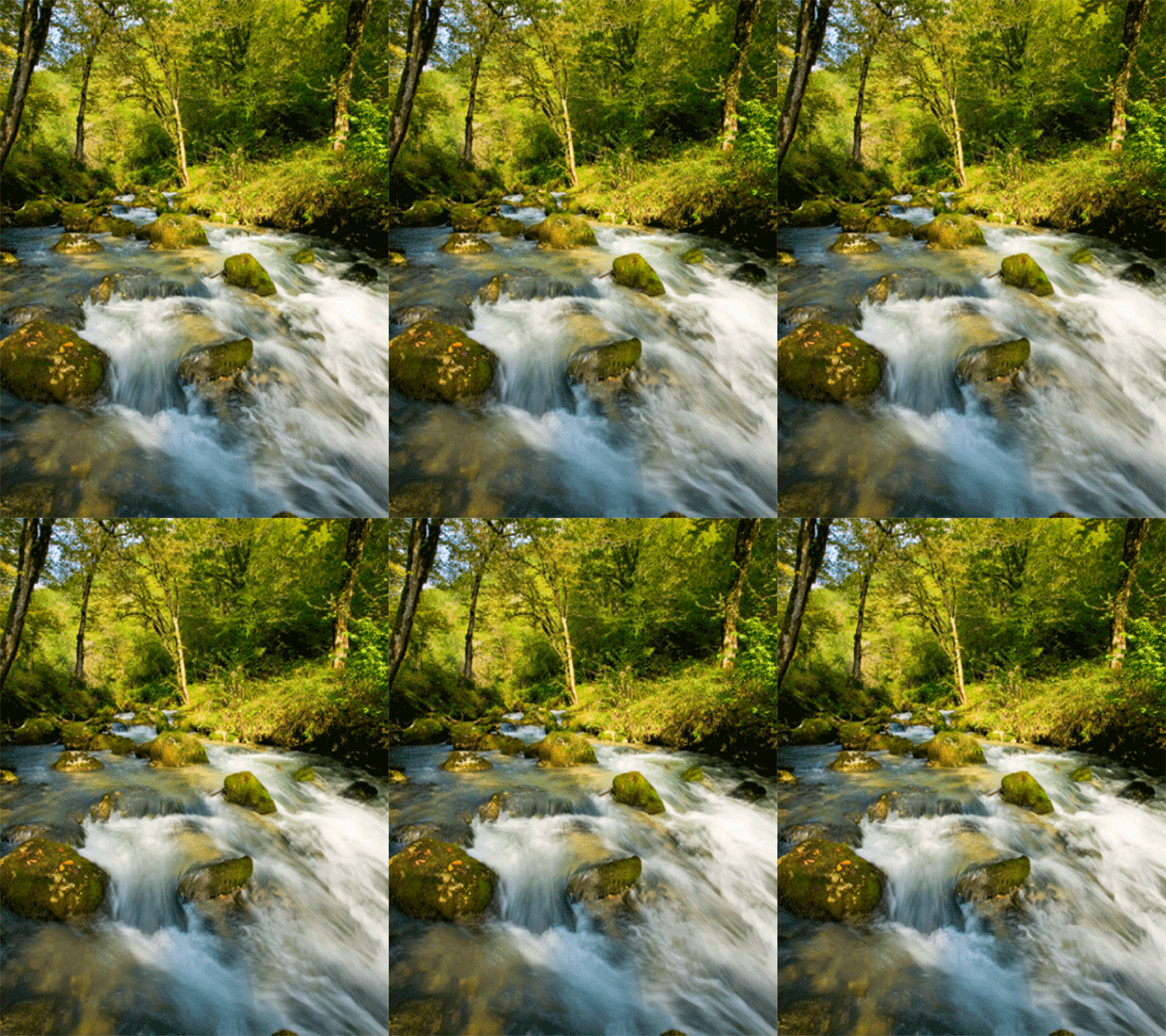
    running-water-082015

  6. That special someone

    Comment

    Happiness is meeting that special someone that you can share your world with by making her laugh, acting silly showing her compassion at her most vulnerable times and just being there anytime she needs support. On the other hand you must also let her into your world as well by showing her your vulnerability of being a man who lives and breathes and makes mistake and not a superman she dreams. Only then can you co-exist together and find true happiness. ~Unknown

  7. A soul you can connect

    Comment

    There is nothing better on this earth, than a soul you can connect with on every level.   
    ~Unknown

  8. Sacredness in tears…

    Comment

    There is a sacredness in tears. They are not the mark of weakness, but of power. They speak more eloquently than ten thousand tongues. They are messengers of overwhelming grief and unspeakable love.  ~Unknown

  9. Dogs love

    Comment

    A dogs’ first sense to develop is touch. A dog’s third eyelid (yes, it has THREE) is a protective lid called a “haw” which keeps moisture in its eyes. For running purposes, the shoulder blades on dogs are not attached to the rest of the skeleton. Source: Animal Planet

Hermit of Tbeng Mountain

Sachjang Phnom Tbeng សច្ចំ​​ ភ្នំត្បែង is a very long and interesting story written by Mr. Chhea Sokoan, read by Jendhamuni Sos. You can click on the links below to listen. Part 1 | Part 2

List of Khmer songs