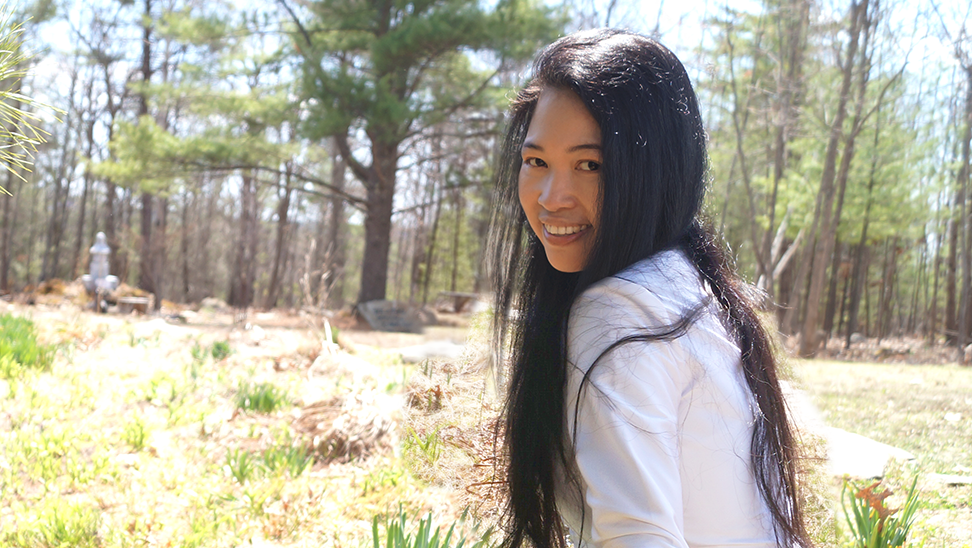
My Sunshine today
Comment
August 10, 2015
I will not let the little clouds of today to completely stand in the way of my Sunshine today.
~Terry Mark


I will not let the little clouds of today to completely stand in the way of my Sunshine today.
~Terry Mark
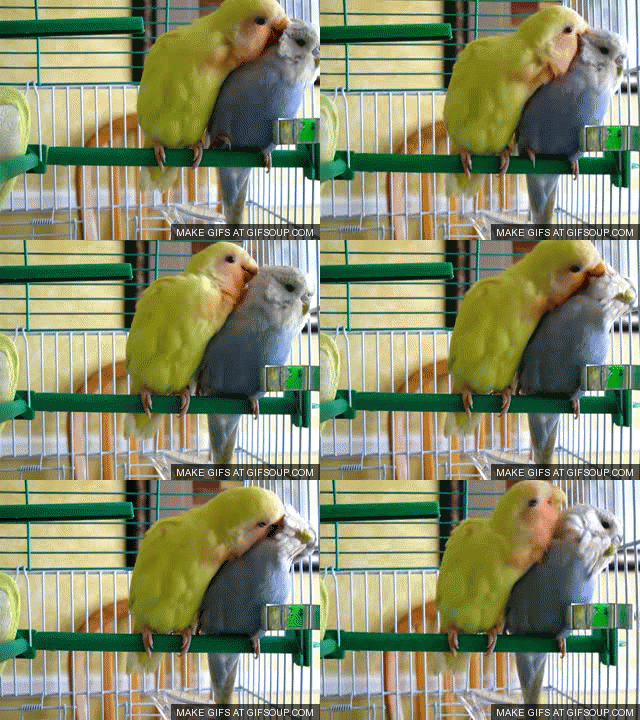
Love bird as emotional bird: Behavior, movement, partner dependence are the significant characteristics of love birds. They are said to be very emotional bird. It is hard to survive for a love bird without its partner. If it is in a cage then it only lives days without a partner. If it gets a good company like TV or human being or other toys then it may forget about partner. It can form strong bonding with its owner. Source: Beautiful Wings
Teeth of cats are sharper when they’re kittens. After six months, they lose their needle-sharp milk teeth. Source: Animalplanet

A rainbow in the sky or a bird that can fly often create Joy that money can’t buy.
No matter how much it hurts now, someday you will look back and realize your
struggles changed your life for the better.~Unknown

The cycle of rebirth is like a wagon wheel. An ox is pulling the wagon. If it keeps on pulling the wagon without stop, the wagon tracks will keep on erasing the ox tracks without stop. The wagon wheels aren’t long, but they’re round. You could say that they’re long, but their length is round. We see their roundness but we don’t see their length. As long as the ox pulls without stopping, the wagon wheels turn without stopping.
On a later day the ox stops. It’s tired. It drops the yoke. The ox then goes its way, the wagon goes its way. The wagon wheels stop of their own accord. If you leave them there a long time, they disintegrate into earth, water, wind, and fire, turning back into grass and dirt.
It’s the same with people who are still making kamma: They don’t come to closure. People speaking the truth don’t come to closure. People with wrong views don’t come to closure. ~Ajahn Chah
“In Simple Terms: 108 Dhamma Similes”, by Ajahn Chah
translated from the Thai by Thanissaro Bhikkhu.
Access to Insight (Legacy Edition), 2 November 2013
Link source
You may be the only person left who believes in you, but it’s enough. It takes just one star to pierce a universe of darkness. Never give up. ~Richelle E. Goodrich

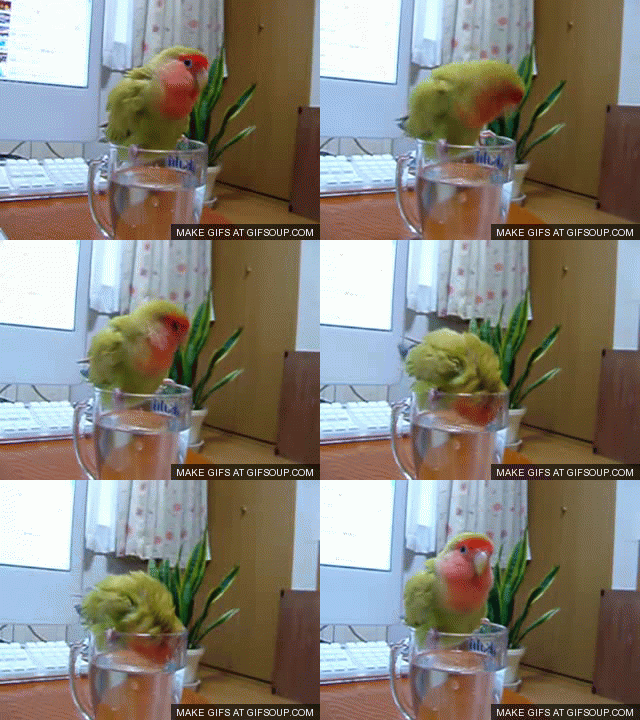
Lovebirds normally don’t talk. Although they are a type of parrot, and they do have the ability to mimic human speech, Lovebirds are not among those species that most would consider to be talking birds. This is because they very rarely decide to speak, and if they do choose to mimic a sound, more often than not they repeat simple noises such as whistles or household sounds such as doorbells and microwaves. It is not known why some Lovebirds are more prone to mimicking speech than others, but it is widely believed that those who do learn to talk are taught from a very young age. Source: Alyson Kalhagen, Pet Birds Expert
Sunrise paints the sky with pinks and the sunset with peaches. Cool to warm. So is the progression from childhood to old age. ~Vera Nazarian

Landing on all fours is something typical to cats thanks to the help of their eyes and special balance organs in their inner ear. These tools help them straighten themselves in the air and land upright on the ground. Source: AnimalPlanet