1. Very tall and beautiful cosmos flowers

    Comment

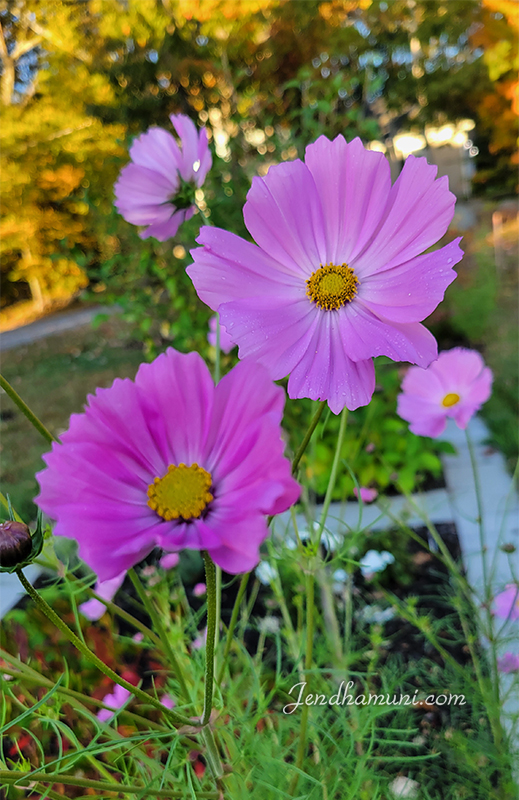
    Cosmos flowers symbolize order, harmony, balance, peace, and joy, derived from their name’s origin in the Greek word kosmos, meaning “ordered universe”. They also represent concepts like innocence, modesty, and beauty in simplicity. ~ AI Overview

    Pink cosmos flowers in my garden on September 29, 2025.

  2. Beautiful Demeanor…

    Comment

    “A pure heart is not easily provoked, offended, or resentful. This tranquility arises from a monk’s efforts to detach from worldly worries and fears.”

    Caption: Venerable Buddhasattha and Samanera Ananda at Wat Kiryvongsa Bopharam

  3. Fresh air and sunshine are hard to beat

    Comment

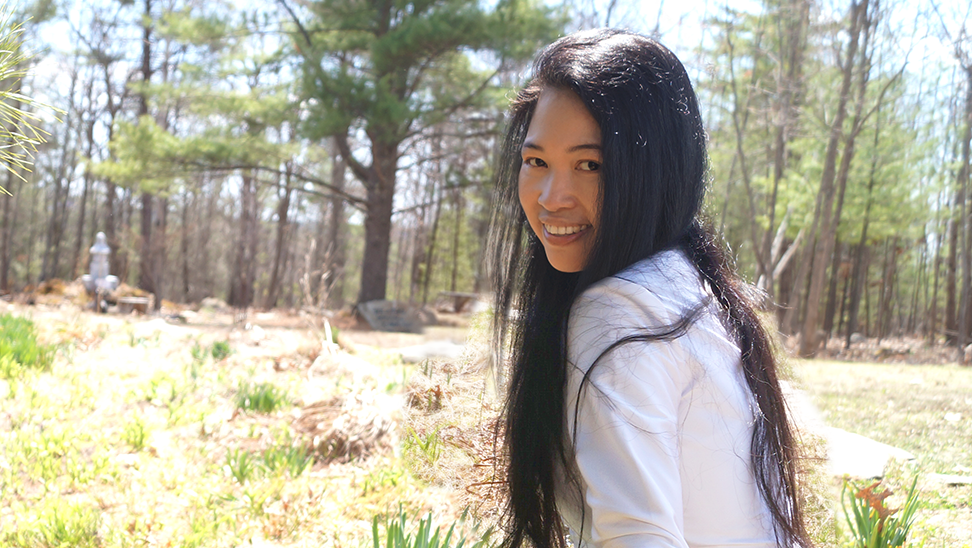
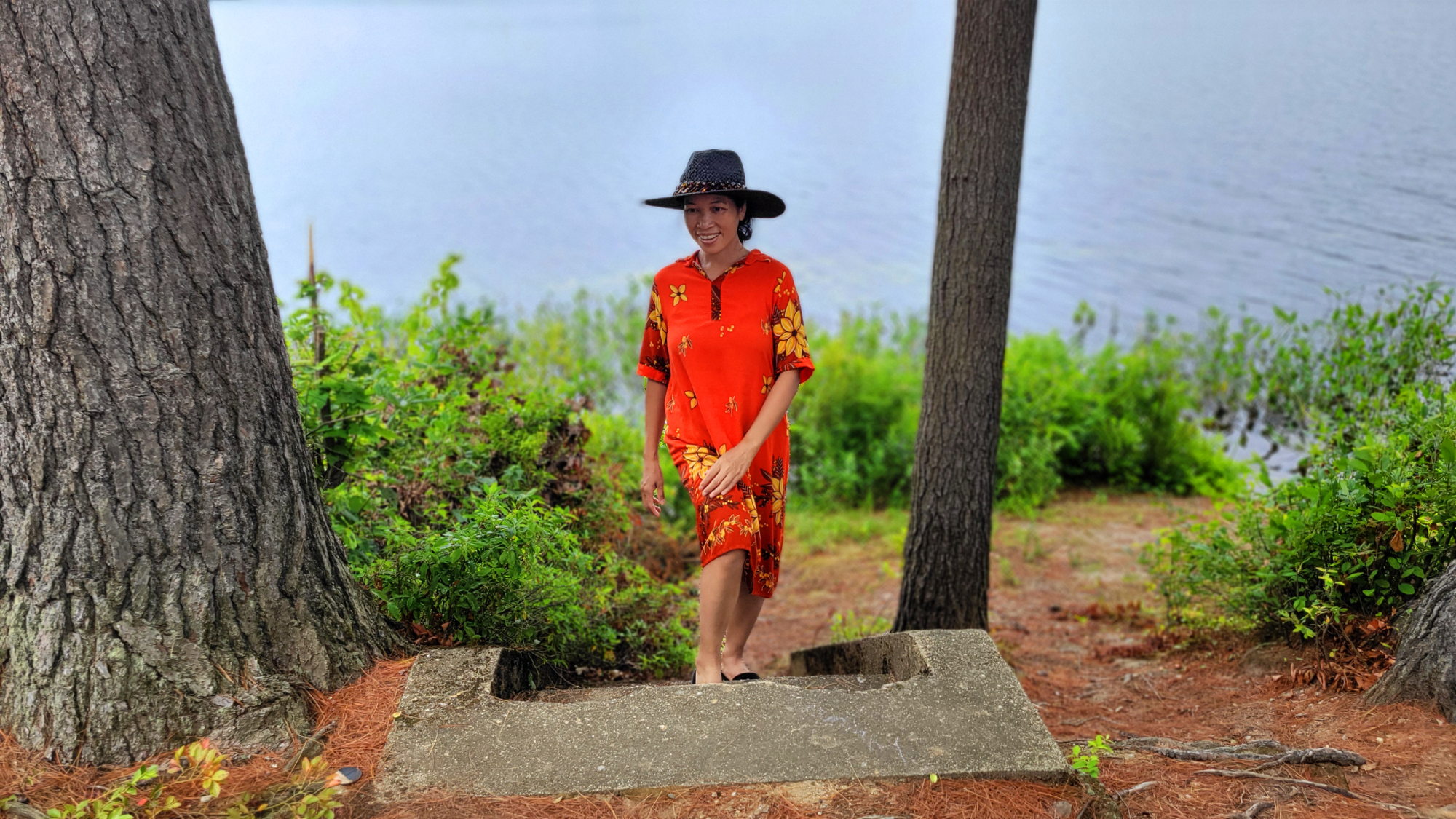
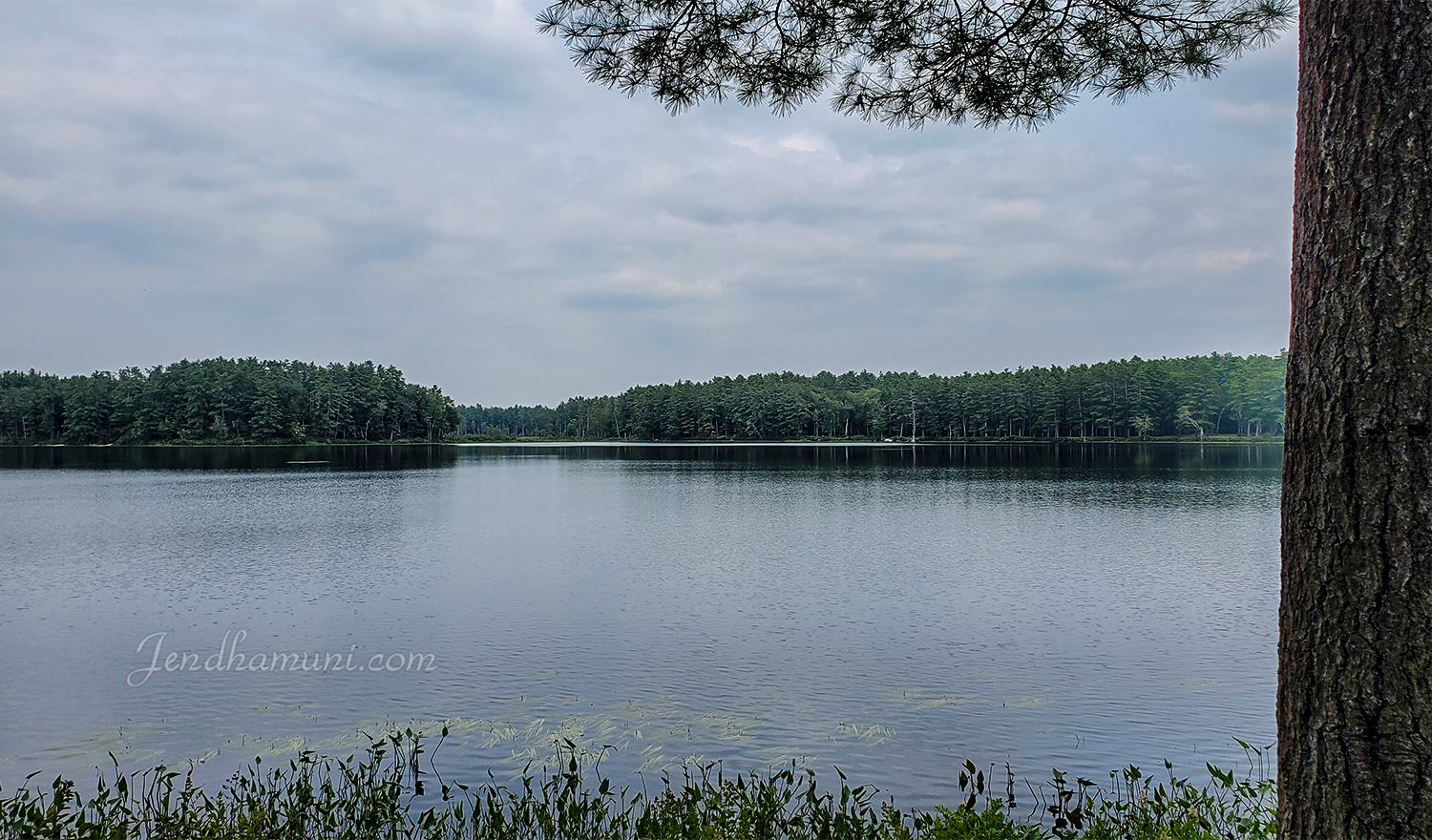
    Jendhamuni at Lake Dennison on August 6, 2025.

    Some old-fashioned things like fresh air and sunshine are hard to beat. – Laura Ingalls Wilder

    “Fresh air is as good for the mind as for the body. Nature always seems trying to talk to us as if she had some great secret to tell. And so she has.” – John Lubbock

  4. We need very little to be happy

    Comment

    Happiness is not having what you want. It is wanting what you have. – Rabbi Hyman Schachtel

    Nature teaches us simplicity and contentment because in its presence we realize we need very little to be happy. – Mark Coleman

    I hope these simple things are what I forever love about life, for then I will be happy no matter where I find myself. – R.Y.S. Perez

  5. The Story of King Pasenadi of Kosala

    Comment

    Verse 204: Health is the greatest gift, contentment is the greatest wealth, a trusted friend is the best relative, Nibbana is the greatest bliss.

    1. vissasaparama: vissasa + parama: vissasa here means trust, also interpreted as intimacy.

    The Story of King Pasenadi of Kosala

    While residing at the Jetavana monastery, the Buddha uttered Verse (204) of this book, with reference to King Pasenadi of Kosala.

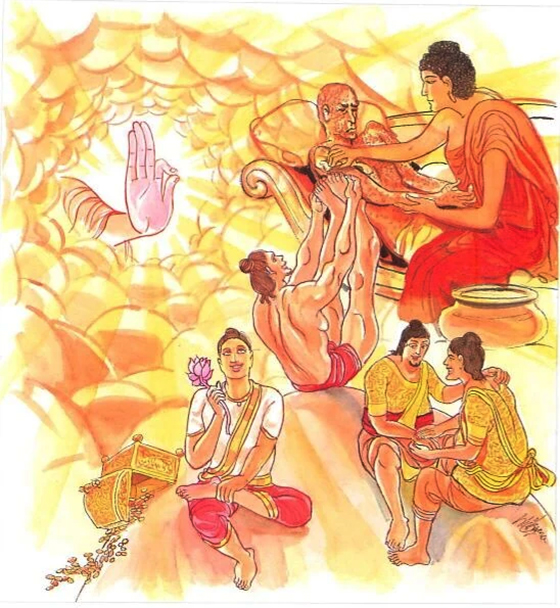
    One day, King Pasenadi of Kosala went to the Jetavana monastery after having his full morning meal. It was said that the king had eaten one quarter basket (about half a bushel) of rice with meat curry on that day; so while listening to the Buddha’s discourse he felt very sleepy and was nodding most of the time. Seeing him nodding, the Buddha advised him to take a little less rice everyday and to decrease the amount on a sliding scale to the minimum of one-sixteenth part of the original amount he was taking. The king did as he was told and found that by eating less he became thin, but he felt very much lighter and enjoyed much better health. When he told the Buddha about this, the Buddha said to him, “O king! Health is a great boon; contentment is a great wealth; a close and trusted friend is the best relative; Nibbana is the greatest bliss.” Continue reading

  6. Cherish the time that you are given

    Comment

    Happiness is possible when you are capable of doing the things and being the things that you want to do and to be. When we walk for the sake of walking, when we sit for the sake of sitting, when we drink tea for the sake of drinking tea, we don’t do it for something or someone else. These things can be very enjoyable. That is the practice of aimlessness. While you do that, you heal yourself and you help heal the world. Awakening means to see that truth—that you want to know how to enjoy, how to live deeply, in a very simple way. You don’t want to waste your time anymore. Cherish the time that you are given. ~ Thich Nhat Hanh

  7. Meaning of Red Zinnias

    Comment

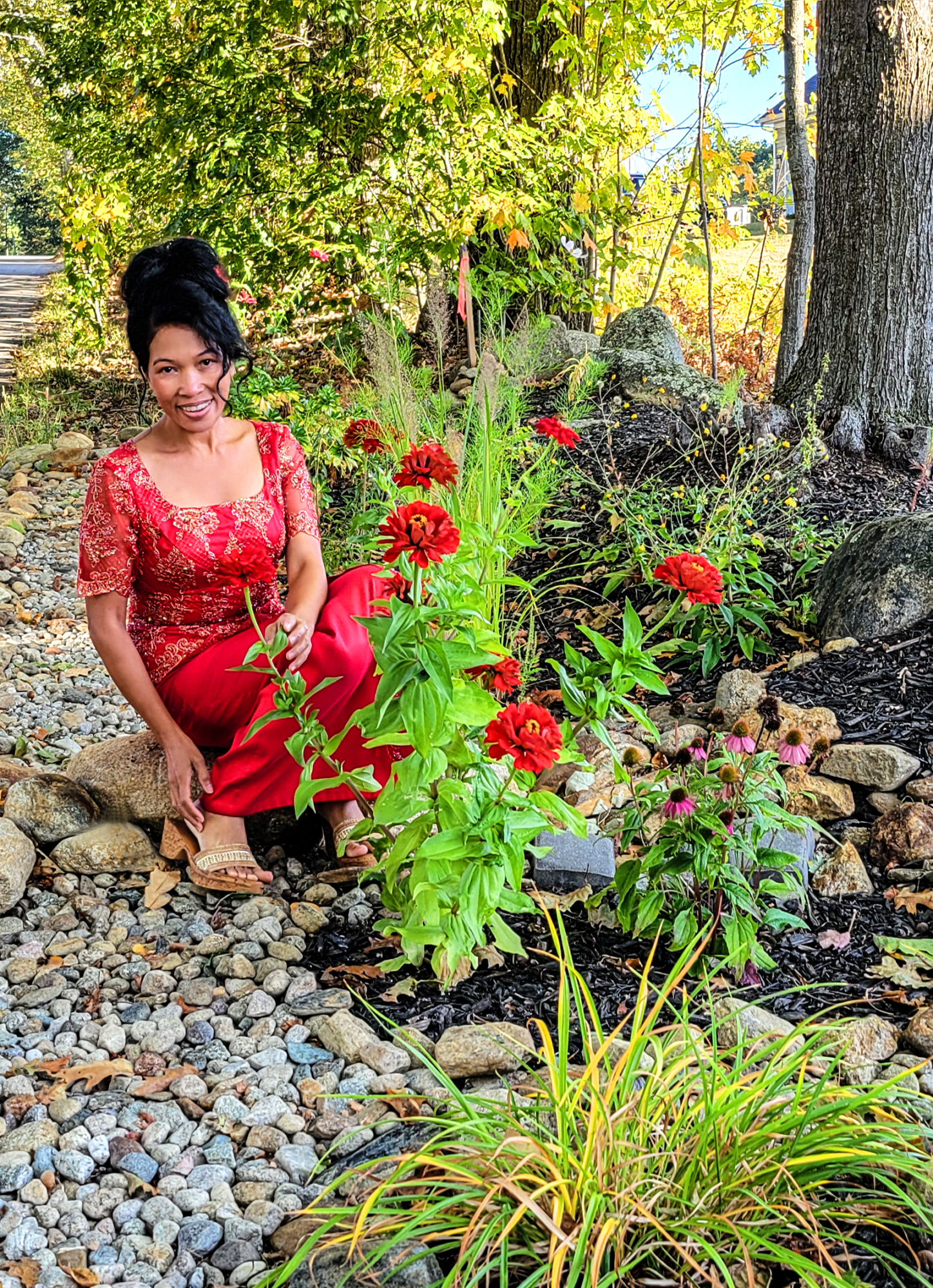
    Jendhamuni at home on September 21, 2025.

    Like many red flowers, red zinnias represent love, passion, and strong emotional bonds. They can symbolize romantic love or strong relationships between family or friends. ~ The Bouqs

  8. Make your heart like a lake

    Comment

    Make your heart like a lake with a calm, still surface and great depths of kindness. ~ Lao Tzu

    A lake is a landscape’s most beautiful and expressive feature. It is Earth’s eye; looking into which the beholder measures the depth of his own nature. ~ Henry David Thoreau

  9. The Story of a Lay-Disciple

    Comment

    Verse 203: Hunger is the greatest ailment, khandhas are the greatest ill. The wise, knowing them as they really are, realize Nibbana, the greatest bliss.

    The Story of a Lay-Disciple

    The Buddha uttered Verse (203) of this book at the village of Alavi, with reference to a lay-disciple.

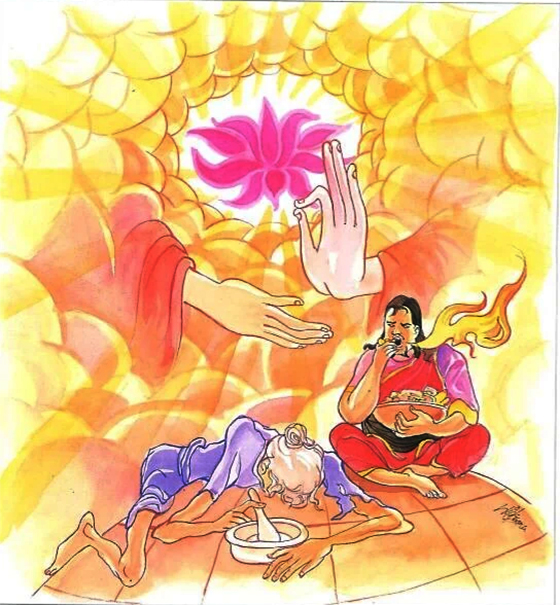
    One day, the Buddha saw in his vision that a poor man would attain Sotapatti Fruition at the village of Alavi. So he went to that village, which was thirty yojanas away from Savatthi. It so happened that on that very day the man lost his ox. So, he had to be looking for the ox. Meanwhile, alms-food was being offered to the Buddha and his disciples in a house in the village of Alavi. After the meal, people got ready to listen to the Buddha’s discourse; but the Buddha waited for the young man. Finally, having found his ox, the man came running to the house where the Buddha was. The man was tired and hungry, so the Buddha directed the donors to offer food to him. Only when the man had been fed, the Buddha gave a discourse, expounding the Dhamma step by step and finally leading to the Four Noble Truths. The lay-disciple attained Sotapatti Fruition at the end of the discourse.

    Afterwards, the Buddha and his disciples returned to the Jetavana monastery. On the way, the bhikkhus remarked that it was so surprising that the Buddha should have directed those people to feed the young man before he gave the discourse. On hearing their remarks, the Buddha said, “Bhikkhus! What you said is true, but you do not understand that I have come here, all this distance of thirty yojanas, because I knew that he was in a fitting condition to take in the Dhamma. If he were feeling very hungry, the pangs of hunger might have prevented him from taking in the Dhamma fully. That man had been out looking for his ox the whole morning, and was very tired and also very hungry. Bhikkhus, after all, there is no ailment which is so difficult to bear as hunger.” Continue reading

Hermit of Tbeng Mountain

Sachjang Phnom Tbeng សច្ចំ​​ ភ្នំត្បែង is a very long and interesting story written by Mr. Chhea Sokoan, read by Jendhamuni Sos. You can click on the links below to listen. Part 1 | Part 2

List of Khmer songs