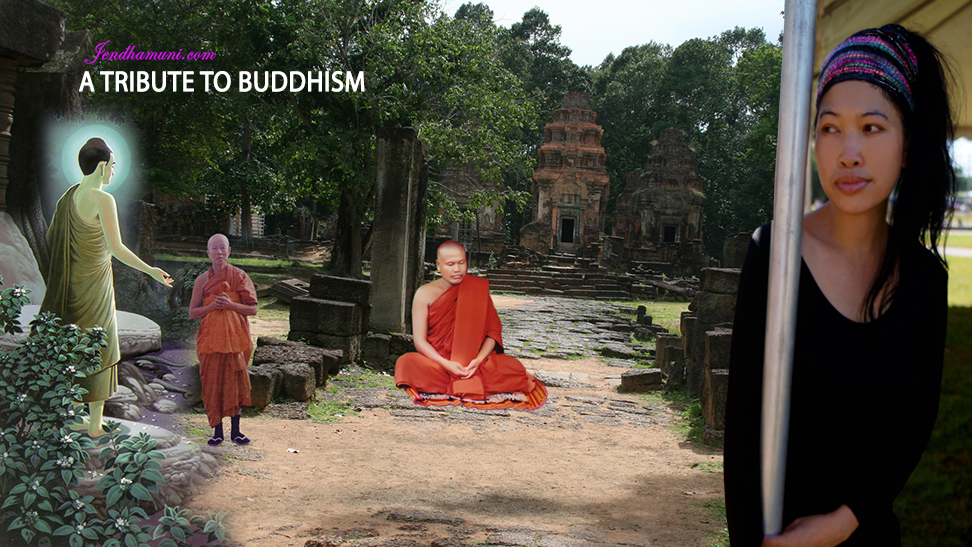
Loving kindness and compassion
Comment
August 7, 2016
When we practice loving kindness and compassion, we are the first ones to profit. ~Rumi
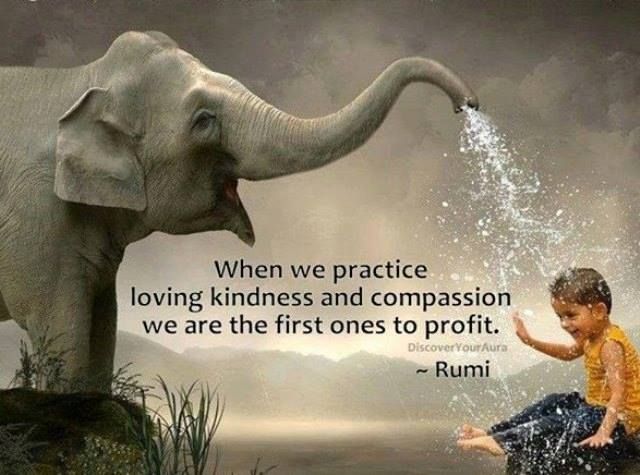

When we practice loving kindness and compassion, we are the first ones to profit. ~Rumi
In the present circumstances, no one can afford to assume that someone else will solve their problems. Every individual has a responsibility to help guide our global family in the right direction. Good wishes are not sufficient; we must become actively engaged. ~Dalai Lama

Before we can generate compassion and love, it is important to have a clear understanding of what we understand compassion and love to be. In simple terms, compassion and love can be defined as positive thoughts and feelings that give rise to such essential things in life as hope, courage, determination, and inner strength. In the Buddhist tradition, compassion and love are seen as two aspects of the same thing: Compassion is the wish for another being to be free from suffering; love is wanting them to have happiness. ~Dalai Lama

Greatest, Purest Love? Love and give kindness to people you don’t even know and your enemy. ~Master Cheng Yen

A compassionate heart is a clear and cool place ~ Master Cheng Yen


The Buddha taming Ala Vaka, the demon-god with a sermon on loving-kindness
44. The Buddha taming Ala Vaka, the demon-god, with a sermon on loving-kindness
There stood a giant banyan tree at a distance of a little more than three miles from Alavi city. Alavaka, the demon-god had his dwelling in that tree. One night Alavaka was attending a meeting of gods at the Himalayas, when the Buddha entered his dwelling in order to tame this cruel monster. The door-keeper of the dwelling, a deity, paying homage to the Buddha, said, “May I go and seek permission from Alavaka for you to enter his dwelling?” So saying, he went to the meeting of gods to get the permission. At that moment, Alavaka who had to keep his anger in check became furious when he heard from other gods about the arrival of the Buddha at his dwelling. He left the meeting at once and jumped on to the dizzy heights of Kelasa Mountain, and shouted out this challenge:
“Alavaka am I!” Then throughout the night he flung all sorts of weapons at the Blessed One who was not hurt at all because of his infinite power of loving-kindness. Then Alavaka approached the Buddha who tamed him peacefully with a sermon on Loving-Kindness.
THE ILLUSTRATED HISTORY OF BUDDHISM
by ASHIN JANAKA BHIVAMSA (Aggamahapandita)
Artist: U Ba Kyi | Link to this post
Respect yourself, so you can love all those on earth. ~ Master Cheng Yen

You keep going. That is the bodhisattva’s way. As long as it benefits even one being you have to, without any sense of discouragement, go on. ~ 16th Karmapa

Initially, to understand dharma even on an intellectual level is not at all simple. Then once we have some understanding, to put dharma into practice is even more subtle, because it requires that we go beyond our habitual patterns. Intellectually, we may recognize how our narrow-minded habits have brought about our own cycle of suffering, but at the same time we may also be afraid to engage wholeheartedly in the process of liberating these habits of ours.
This is cherishing of ego. For even if we think we want to practice the Buddhist path, to give up our ego-clinging is not easy, and we could well end up with our own ego’s version of dharma—a pseudo-dharma which will only bring more suffering instead of liberation. ~ Dzongsar Khyentse Rinpoche
What’s recommended is that if you have a good experience, don’t get too excited. And if you have a bad experience, don’t mistake it for a serious deviation or a sidetrack that you have to find your way back from. If you have a bad experience, just continue practicing as you were. In other words, whatever happens, just keep looking at your mind. ~ Thrangu Rinpoche



ព្រះត្រៃបិដក ប្រែថា កញ្រ្ចែង ឬ ល្អី ៣ សម្រាប់ដាក់ផ្ទុកពាក្យពេចន៍នៃព្រះសម្មាសម្ពុទ្ធ
The Tipitaka or Pali canon, is the collection of primary Pali language texts which form the doctrinal foundation of Theravada Buddhism. The three divisions of the Tipitaka are: Vinaya Pitaka, Sutta Pitaka, Abhidhamma Pitaka.
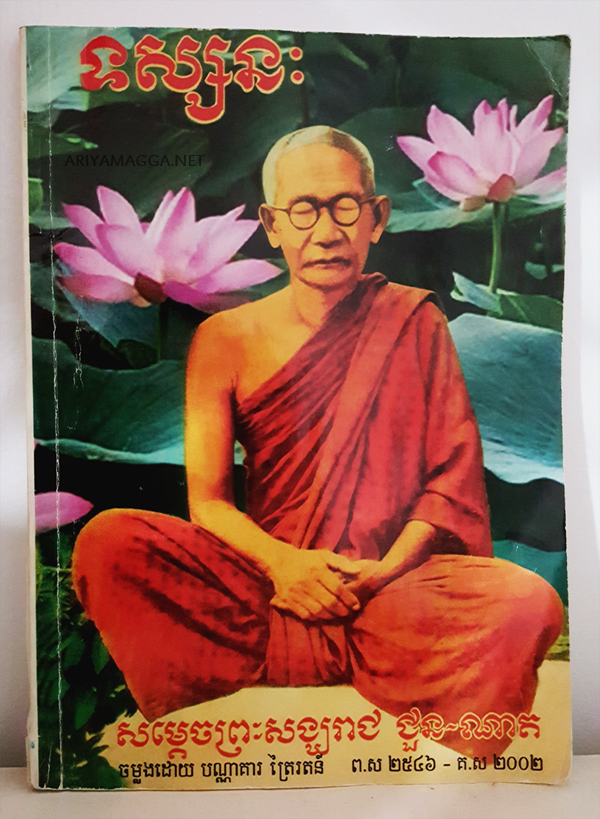
វចនានុក្រមសម្តេចសង្ឃ ជួន ណាត
Desktop version
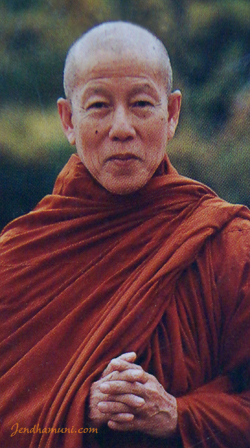
Listen to Khmer literature and Dhamma talk by His Holiness Jotannano Chuon Nath, Supreme Patriarch of Cambodia Buddhism.
Should anyone wish to ridicule me and make me an object of jest and scorn why should I possibly care if I have dedicated myself to others?
Let them do as they wish with me so long as it does not harm them. May no one who encounters me ever have an insignificant contact.
Regardless whether those whom I meet respond towards me with anger or faith, may the mere fact of our meeting contribute to the fulfilment of their wishes.
May the slander, harm and all forms of abuse that anyone should direct towards me act as a cause of their enlightenment.

As a solid rock is not shaken by the wind, so the wise are not shaken by blame and praise. As a deep lake is clear and calm, so the wise become tranquil after they listened to the truth…
Good people walk on regardless of what happens to them. Good people do not babble on about their desires. Whether touched by happiness or by sorrow, the wise never appear elated or depressed. ~The Dhammapada