1. I’ll keep choosing you…

    Comment

    When you realize you want to spend the rest of your life with somebody, you want the rest of your life to start as soon a possible. ~When Harry Met Sally

  2. In order to be happy…

    Comment

    In order to be happy oneself it is necessary to make at least one other person happy. — Theodor Reik​

    You don’t love someone because they’re perfect, you love them in spite of the fact that they’re not. ~Jodi Picoult, My Sister’s Keeper

  3. The Buddha preaching the sermon

    Comment
    The Buddha preaching the sermon "The wheel of law" to the band of five disciples"

    The Buddha preaching the sermon “The wheel of law” to the band of five disciples”

    16. The Buddha preaching the sermon “The wheel of law” to the band of five disciples”

    Soon after the birth of the Future Buddha, eight Brahmin fortune-tellers, observed the marks and characteristics of the Future Buddha’s person. Five of these Brahmins interpreted that prince Siddhattha would unquestionably become a Buddha and with that belief, had already become ascetics. When Siddhattha retired from the world, they attended to his personal needs. Then seeing that the Future Buddha had given up extreme asceticism and gone back to the usual way of taking ordinary material food, they doubted if he would ever become a Buddha, and deserted him. Then they went and lived in the Deer Park at Isipatana near Benares.

    The Blessed One, having attained the Supreme Wisdom, began his life as the Great Teacher. He first thought of the persons whom he should first aid with his teaching, and saw that these five ascetics had developed mature intellect. He therefore went to the Deer Park at Isipatana near Benares, 18 yojanas (1 yojana =about 8 miles) away from the Bodhi tree and preached his First Sermonto this “Band of Five Disciples” before sunset on the full moon day of Wazo (June-July). Kondanna was established in the first noble stage of the Ariyan Path, along with eighteen crores of higher and lower gods.

    THE ILLUSTRATED HISTORY OF BUDDHISM
    by ASHIN JANAKA BHIVAMSA (Aggamahapandita)
    Artist: U Ba Kyi | Link to this post


  4. Meditations to activate your capacity for healing

    Comment

    Buddha4

    Meditation brings you into a deep communion with your own body and heart-but what happens when you are sick or in pain?

    ■ Healing Presence-how to use the earth itself as your foundation to support you in self-diagnosis and restoration

    ■ The Healing Temple-guided visualization to your inner sanctuary, encountering the great healer, and receiving the necessary gifts for true recovery and blessing

    ■ The Healing Power of Love-directing the luminous spirit of lovingkindness to all the places in your body and spirit that are in need

    We are conditioned to approach healing as an act of control, in which we judge what is wrong with us and impose a change. The way of awareness teaches us how to turn toward that which is injured in us with a caring and fearless attention, so we may open the door to true healing at every level of our being. ~Jack Kornfield

    Source: Wildmind
    Link to this article

  5. What is the purpose of making offerings to the Buddha?

    Comment

    rainbow flowers051316


    • We make offerings not because the Buddha needs them – the Buddha is an enlightened being, He certainly does not need an incense stick to be happy!

    • Nor do we make offerings to win the Buddha’s favour. The Buddha developed universal loving-kindness and compassion long ago and won’t be swayed by flattery and bribery the way we ordinary beings are.

    • We make offerings to create positive energy and develop good qualities such as giving with a respectful attitude and gratitude.

    • Moreover, the offerings remind us of certain teachings of the Buddha.

    Offering of Light (Lamp/Candle)

    • Light symbolizes wisdom.
    • Light drives away darkness.
    • Similarly, the light of wisdom dispels the darkness of ignorance.

    Offering of Incense

    • When incense is lit, its fragrance spreads.
    • Incense symbolizes the fragrance of pure moral conduct.
    • This reminds us to cultivate good conduct.

    Offering of Water

    • Water symbolizes purity, clarity and calmness.
    • This reminds us to practise the Buddha’s teachings, so as to cleanse our minds, which are full of desire, ill-will and ignorance, and to attain the state of purity.

    Offering of Fruit

    • Fruit symbolizes the ultimate fruit of Enlightenment which is our goal.
    • Fruit also reminds us that all actions will have their effect.

    Offering of Flowers

    • The freshness, fragrance and beauty of flowers are impermanent.
    • Fresh and beautiful flowers will soon become withered, scentless and discoloured.
    • This reminds us of the Buddha’s teaching that all things are impermanent.
    • We should value what we have now and live in the present.

    The Lotus

    The most common flower seen in Buddhist shrines, or on the base of statues, are lotuses, as they represent the potential or actuality of Enlightenment.

    • The lotus grows out of the mud and blossoms above the water surface, yet it is not dirtied by the mud from which it grows.

    • The Buddha is likened to the lotus. Like a lotus that rises out of a muddy pond, the Buddha rose above the defilements and sufferings of life.

    • We are right now surrounded by defilements and sufferings, just as the lotus seed is surrounded by dirt, mud and filth. We should rise above our defilements and sufferings, just like the lotus flower arising above the muddy water.

    • This serves to remind us of our own potential Buddhahood. We may have defilements today, but we all have the potential of growing out of defilements and achieving wisdom like the Buddha.

    Source: BuddhaNet
    Link to this article

  6. Compassionate action

    Comment

    Compassionate action starts with seeing yourself when you start to make yourself right and when you start to make yourself wrong. At that point you could just contemplate the fact that there is a larger alternative to either of those, a more tender, shaky kind of place where you could live. ~Pema Chödrön

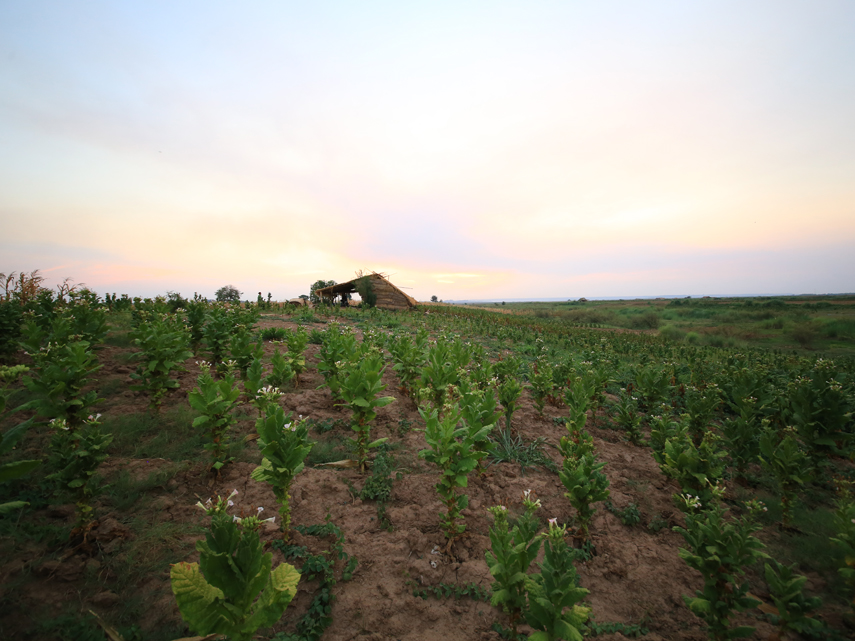
    ចម្ការ​ថ្នាំ​ជក់​នៅ​ឃុំ​ស្វាយឃ្លាំង ស្រុក​ក្រូចឆ្មារ ខេត្ត​ត្បូងឃ្មុំ កាល​ពី​ថ្ងៃ​ទី​២៣ ខែ​មេសា ឆ្នាំ​២០១៦។ RFA/Cheu Sideth

  7. Merit is to accumulated, evil is to be abandoned

    Comment

    It is flooded water that makes mud; it is clean water that wipes away mud. ~Unknown

    ពលរដ្ឋ​ហាល​ថ្នាំ​ជក់​នៅ​ឃុំ​ស្វាយឃ្លាំង ស្រុក​ក្រូចឆ្មារ ខេត្ត​ត្បូងឃ្មុំ កាល​ពី​ថ្ងៃ​ទី​២៣ ខែ​មេសា ឆ្នាំ​២០១៦។ RFA/Cheu Sideth

  8. Houses in Siem Reap were damaged by strong winds

    Comment

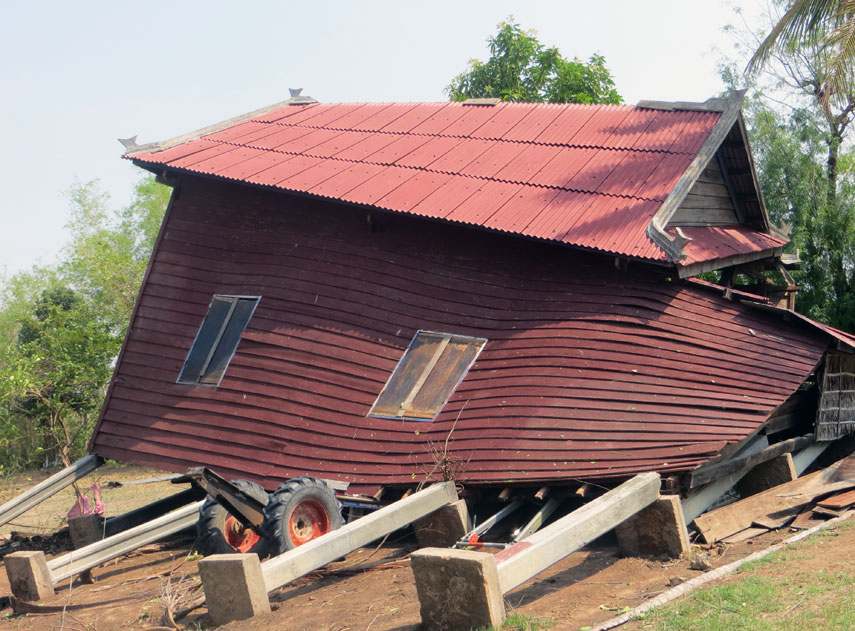
    ផ្ទះ​ឈើ​​របស់​ពលរដ្ឋ នៅ​ភូមិ​គំរូ ឃុំ​ល្វា ស្រុក​ពួក ខេត្ត​សៀមរាប ត្រូវ​ខ្យល់​បក់​រលំ​សង្កត់​គោយន្ត ២​គ្រឿង ម៉ាស៊ីន​កិន​ស្រូវ ១​គ្រឿង និង​សម្ភារៈ​ជា​ច្រើន​ទៀត។ រូបថត​ថ្ងៃ​ទី​១៤ ខែ​ឧសភា ឆ្នាំ​២០១៦ RFA/Hang Savyouth

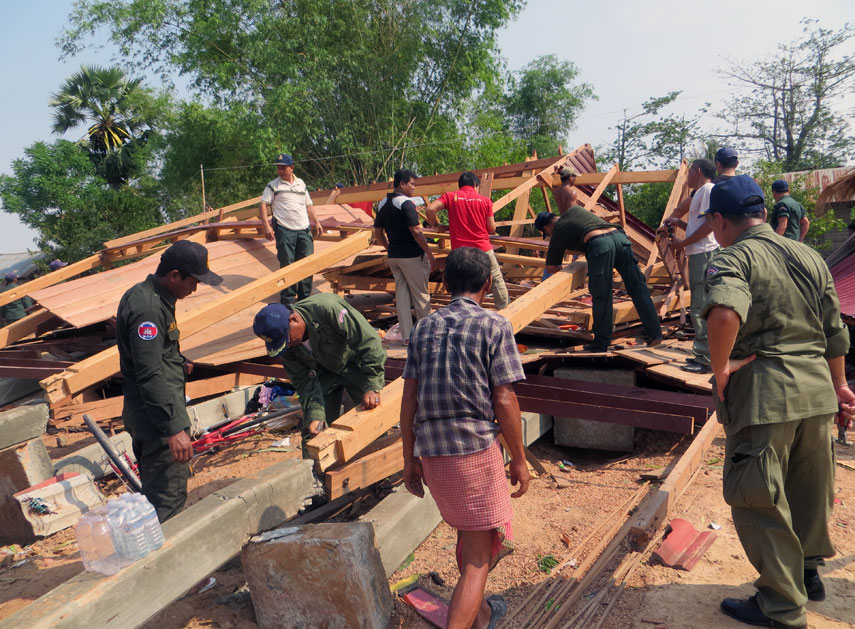
    សមត្ថកិច្ច​ចម្រុះ​ខេត្ត​សៀមរាប នាំ​គ្នា​ជួយ​រុះរើ​ផ្ទះ​ប្រជាពលរដ្ឋ​ដែល​ដួល​​រលំ​នៅ​ឃុំ​ល្វា ស្រុក​ពួក ខេត្ត​សៀមរាប។ រូបថត​ថ្ងៃ​ទី​១៤ ខែ​ឧសភា ឆ្នាំ​២០១៦។ RFA/Hang Savyouth​​

  9. Come and go like the wind

    Comment


    Praise and blame, gain and loss, pleasure and sorrow come and go like the wind. To be happy, rest like a giant tree in the midst of them all. ~Gautama Buddha


Live & Die for Buddhism

candle

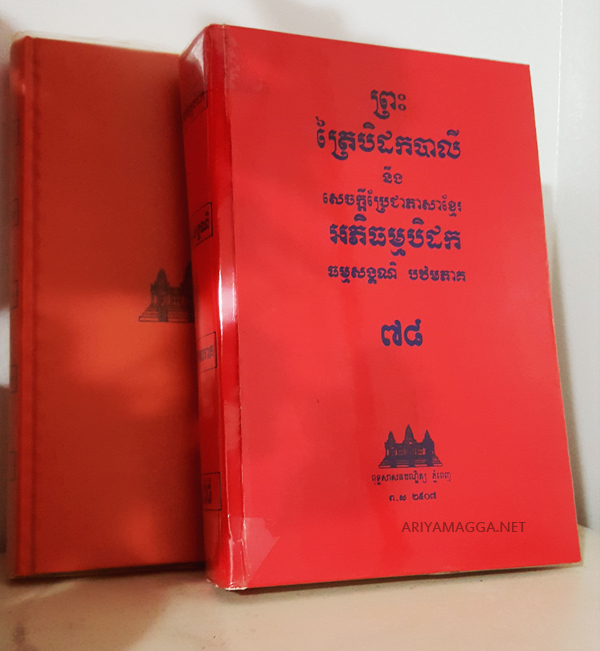
Khmer Tipitaka 1 – 110

 ព្រះត្រៃបិដក

ព្រះត្រៃបិដក ប្រែថា កញ្រ្ចែង ឬ ល្អី​ ៣ សម្រាប់ដាក់ផ្ទុកពាក្យពេចន៍នៃព្រះសម្មាសម្ពុទ្ធ

The Tipitaka or Pali canon, is the collection of primary Pali language texts which form the doctrinal foundation of Theravada Buddhism. The three divisions of the Tipitaka are: Vinaya Pitaka, Sutta Pitaka, Abhidhamma Pitaka.

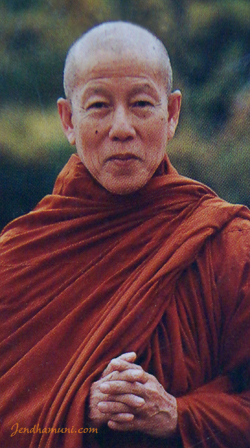
Maha Ghosananda

Maha Ghosananda

Supreme Patriarch of Cambodian Buddhism (5/23/1913 - 3/12/07). Forever in my heart...

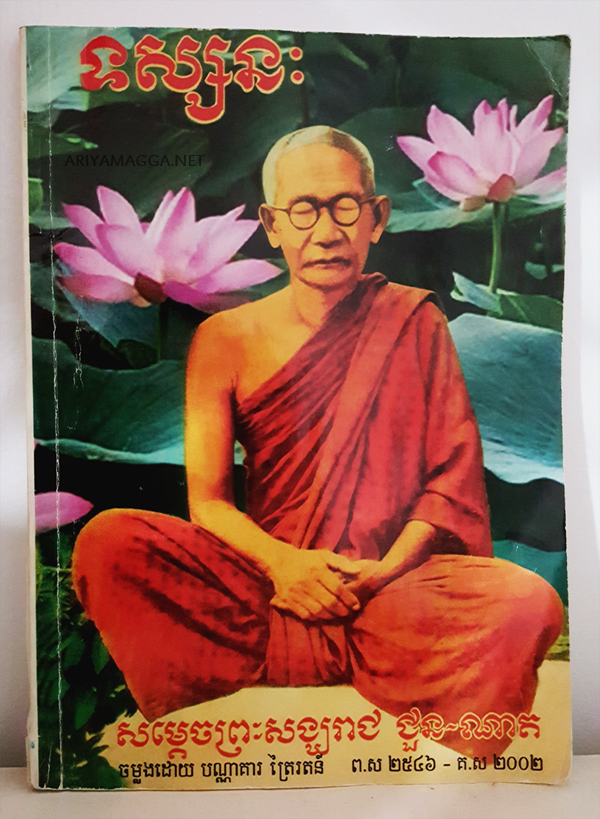
Samdech Chuon Nath

My reflection

វចនានុក្រមសម្តេចសង្ឃ ជួន ណាត
Desktop version

Listen to Khmer literature and Dhamma talk by His Holiness Jotannano Chuon Nath, Supreme Patriarch of Cambodia Buddhism.

Shantidevas’ Bodhisattva vows

My reflection

Should anyone wish to ridicule me and make me an object of jest and scorn why should I possibly care if I have dedicated myself to others?

Let them do as they wish with me so long as it does not harm them. May no one who encounters me ever have an insignificant contact.

Regardless whether those whom I meet respond towards me with anger or faith, may the mere fact of our meeting contribute to the fulfilment of their wishes.

May the slander, harm and all forms of abuse that anyone should direct towards me act as a cause of their enlightenment.

As a solid rock is not shaken by the wind, so the wise are not shaken by blame and praise. As a deep lake is clear and calm, so the wise become tranquil after they listened to the truth…

Good people walk on regardless of what happens to them. Good people do not babble on about their desires. Whether touched by happiness or by sorrow, the wise never appear elated or depressed. ~The Dhammapada

Hermit of Tbeng Mountain

Sachjang Phnom Tbeng សច្ចំ​​ ភ្នំត្បែង is a very long and interesting story written by Mr. Chhea Sokoan, read by Jendhamuni Sos. You can click on the links below to listen. Part 1 | Part 2

Beauty in nature

A beautiful object has no intrinsic quality that is good for the mind, nor an ugly object any intrinsic power to harm it. Beautiful and ugly are just projections of the mind. The ability to cause happiness or suffering is not a property of the outer object itself. For example, the sight of a particular individual can cause happiness to one person and suffering to another. It is the mind that attributes such qualities to the perceived object. — Dilgo Khyentse Rinpoche

Nature is loved by what is best in us. The sky, the mountain, the tree, the animal, give us a delight in and for themselves. — Ralph Waldo Emerson


Our journey for peace
begins today and every day.
Each step is a prayer,
Each step is a meditation,
Each step will build a bridge.

—​​​ Maha Ghosananda