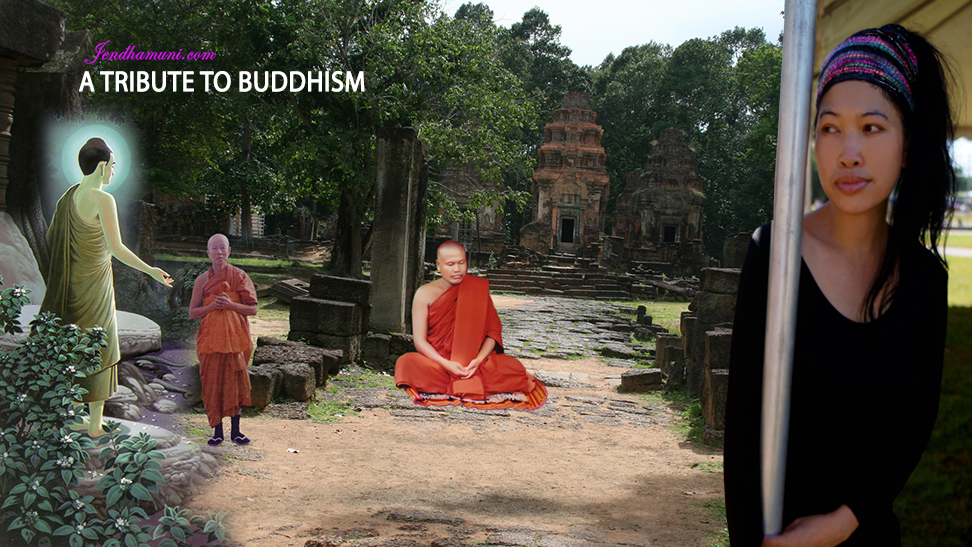
A disciplined mind…
Comment
April 27, 2016
A disciplined mind brings happiness. ~The Buddha

RFA/Yang Chandara

A disciplined mind brings happiness. ~The Buddha
RFA/Yang Chandara
ម្ចាស់ស្ទឹងសង្កែ by Koy Vanna
Machas Steung Sangke ម្ចាស់ស្ទឹងសង្កែ
Written by Prum Kim Choeun | Sings by Mr. Koy Vanna
Dedicated to Mr. Kong Bun Chhoeun


Nothing Higher to Live For
A Buddhist View of Romantic Love
by Bhikkhu Nyanasobhano (Leonard Price) © 2005
If it is possible to live with a purpose, what should that purpose be? A purpose might be a guiding principle, a philosophy, or a value of sovereign importance that informs and directs our activities and thoughts. To have one is to live seriously — though not necessarily wisely — following some track, believing in a hub to the wheeling universe or a sea toward which we flow or an end before which all the hubbub of civilization subsides. What is your purpose, friend, or what should it be?
Perhaps most of us do not come to a clear conclusion in the matter, but this does not mean we have no purpose, only that we do not recognize it or admit it or even choose it for ourselves. In the unhappiest case nature simply takes its course, which is a turbid meandering through the swamps of desire. If life means nothing then only pleasure is worthwhile; or if life has meaning and we cannot get at it then still only enjoyment matters — such is the view of brutes and some sophisticated philosophers. It slips into the unconscious by default when we hold no other, but we are reluctant to entertain it and will rather, if we think about it, take as our purpose support of family, search for beauty, improvement of society, fame, self-expression, development of talent, and so on. But it might be fair to say that apart from these or beneath these the fundamental purpose of many of us is the search for love, particularly romantic love.
The love of a man for a woman and a woman for a man is often the floor to which people fall after the collapse of other dreams. It is held to be solid when nothing else is, and though it frequently gives way and dumps them into a basement of despair, it still enjoys a reputation of dependability. No matter that this reputation is illogical — it still flourishes and will continue to flourish regardless of what is said in any book. Love, or possibly the myth of love, is the first, last, and sometimes the only refuge of uncomprehending humanity. What else makes our hearts beat so fast? What else makes us swoon with feeling? What else renders us so intensely alive and aching? The search for love — the sublime, the nebulous, the consuming — remains sacred in a world that increasingly despises the sacred. When the heroic and the transcendental are but memories, when religious institutions fill up with bureaucrats and social scientists, when nobody believes there is a sky beyond the ceiling, then there seems no other escape from the prison of self than the abandon of love. With a gray age of spiritual deadness upon us, we love, or beg for love, or grieve for love. We have nothing higher to live for. Continue reading

Wedding ceremony of Prince Siddhattha
6. Wedding ceremony of Prince Siddhattha
When the Future Buddha was sixteen years of age, his father King Suddhodana sent official intimation to his relatives asking them to send their daughters to be married to his son. There arose the following discussion among his relatives, who were Rulers of their own states:—”Siddhattha is of handsome appearance but is not well trained in any manly art”. They did not, therefore, comply with the request of King Suddhodana. The King told his son what his relatives had said about him, when the Prince agreed to show his proficiency as the best bowman of the day. Consequently the most distinguished bowmen of the city were assembled in the palace grounds. The Future Buddha placed them at four different points and directions round him while he stood in the centre. He then said to them. “You must shoot your arrows at me all at the same time”. When the signal to shoot was given, the four archers shot their arrows at him all at once. The Prince defended himself by shooting an arrow which flew like lightning and hit all the four arrows coming in his direction. He thus exhibited his skill, such as none other bowmen could equal. His father’s relatives then sent their daughters, beautiful maidens, of whom the Prince chose Princess Yasodhara whom he married by celebrating a grand wedding.
THE ILLUSTRATED HISTORY OF BUDDHISM
by ASHIN JANAKA BHIVAMSA (Aggamahapandita)
Artist: U Ba Kyi | Link to this post
ជីវិតប្តីប្រពន្ធចាស់ជរាមានជំងឺប្រចាំកាយមួយគូ រស់នៅក្នុងខ្ទមកំសត់ ដំបូលរហែក ជញ្ជាំងធ្លុះធ្លាយ អត់មានកូនគ្មានបងប្អូន រស់នៅយ៉ាងវេទនាបានព្រឹកខ្វះល្ងាចបានល្ងាចខ្វះព្រឹក អាស្រ័យនិងអ្នកជិត ស្ថិតនៅ ភូមិកណ្តឹង ឃុំកណ្តឹង ស្រុកបាទី ខេត្តតាកែវ. Source: Seangmeng Kpt


The moment you wake up, right away, you can smile…. You are aware that a new day is beginning, that life is offering you twenty-four brand new hours to live, and that that’s the most precious of gifts. ~Thich Nhat Hanh

Photo source: Seangmeng Kpt
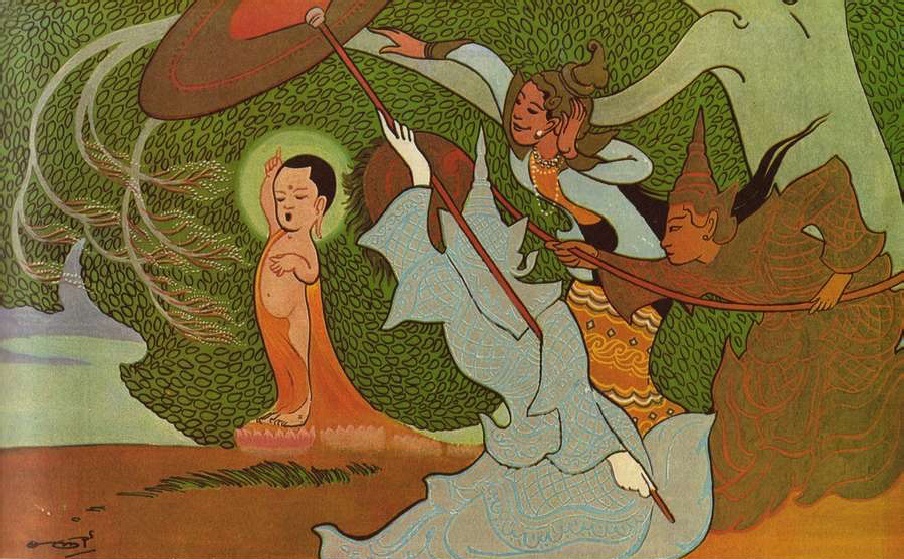
Birth of the future Buddha in the Lumbini Grove
5. Birth of the future Buddha in the Lumbini Grove
Queen Maha-Maya carried the Future Buddha in her womb for ten months; and on the full moon day in May (Vesak) she said to King Suddhodana—”I wish, O King, to go to Devadaha, the city of my family”. The King approved and caused the road from Kapilavatthu to Devadaha to be made smooth and adorned, and sent her with a great retinue. Between the two cities there was a pleasure grove of sal trees, called Lumbini Grove. She entered the grove for a rest. And at this particular time, this grove was one mass of flowers presenting a very pretty scene. She went to the foot of a great sal tree and reached out her hand to seize hold of one of its branches. She was at once shaken with the pains of birth. Thereupon the people hung a curtain about her, and her delivery took place while she was standing up. At that moment came four Mahabrahmas (higher gods) with a golden net; and, receiving the Future Buddha with it, they placed him before his mother and said, “Rejoice, O Queen! A mighty son has been born to thee”.
THE ILLUSTRATED HISTORY OF BUDDHISM
by ASHIN JANAKA BHIVAMSA (Aggamahapandita)
Artist: U Ba Kyi | Link to this post
The Sacred Relics of Buddha Sakyamuni ពិធីដង្ហែព្រះបរមសារី រិកធាតុនៃព្រះដ៏មានព្រះភាគ សក្សមុនី នៅវត្ដគិរីវង្សាបុប្ផារាម អាស្រមសមាធិសន្ដិភាព នាថ្ងៃអាទិត្យ ១១កើត ខែចេត្រ ពុទ្ធសករាជ ២៥៥៩ ត្រូវនឹងថ្ងៃទី១៧ ខែមេសា គ្រិស្ដសករាជ ២០១៦ The Sacred Relics of Buddha Sakyamuni takes place at the Kiryvongsa Bopharam Buddhist Temple on Sunday the 11th Waxing Moon of Buddhist era 2559 equivalent to April 17, A.D.2016.

They may forget what you said — but they will never forget how you made them feel. —Carl W. Buehner


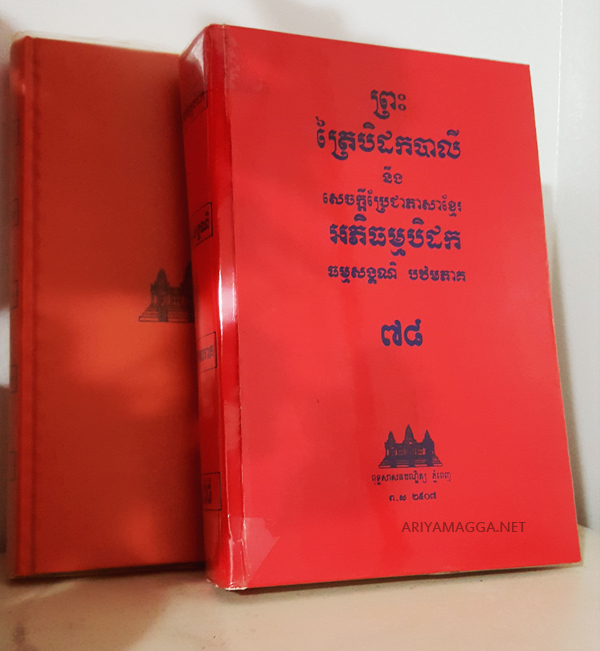
ព្រះត្រៃបិដក ប្រែថា កញ្រ្ចែង ឬ ល្អី ៣ សម្រាប់ដាក់ផ្ទុកពាក្យពេចន៍នៃព្រះសម្មាសម្ពុទ្ធ
The Tipitaka or Pali canon, is the collection of primary Pali language texts which form the doctrinal foundation of Theravada Buddhism. The three divisions of the Tipitaka are: Vinaya Pitaka, Sutta Pitaka, Abhidhamma Pitaka.
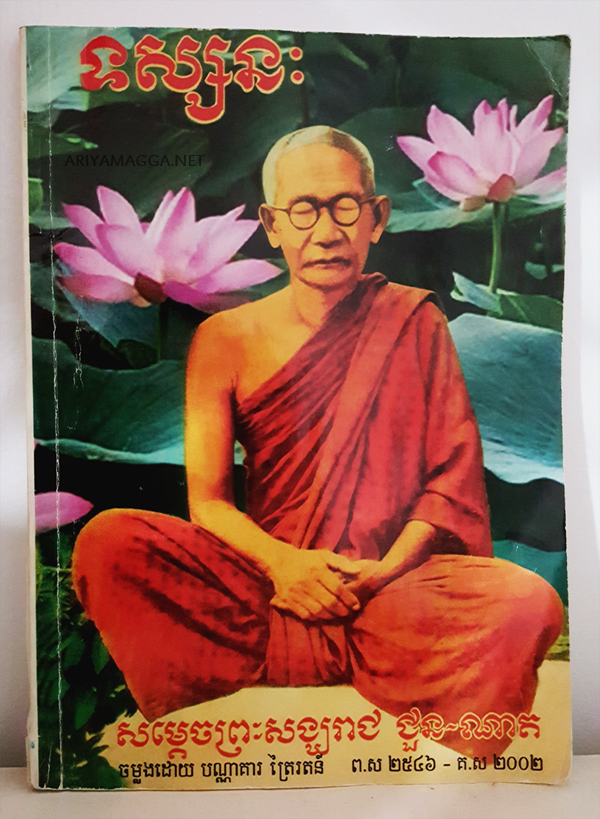
វចនានុក្រមសម្តេចសង្ឃ ជួន ណាត
Desktop version
Listen to Khmer literature and Dhamma talk by His Holiness Jotannano Chuon Nath, Supreme Patriarch of Cambodia Buddhism.
Should anyone wish to ridicule me and make me an object of jest and scorn why should I possibly care if I have dedicated myself to others?
Let them do as they wish with me so long as it does not harm them. May no one who encounters me ever have an insignificant contact.
Regardless whether those whom I meet respond towards me with anger or faith, may the mere fact of our meeting contribute to the fulfilment of their wishes.
May the slander, harm and all forms of abuse that anyone should direct towards me act as a cause of their enlightenment.

As a solid rock is not shaken by the wind, so the wise are not shaken by blame and praise. As a deep lake is clear and calm, so the wise become tranquil after they listened to the truth…
Good people walk on regardless of what happens to them. Good people do not babble on about their desires. Whether touched by happiness or by sorrow, the wise never appear elated or depressed. ~The Dhammapada