1. Conquering all Distractions

    Comment

    Buddha

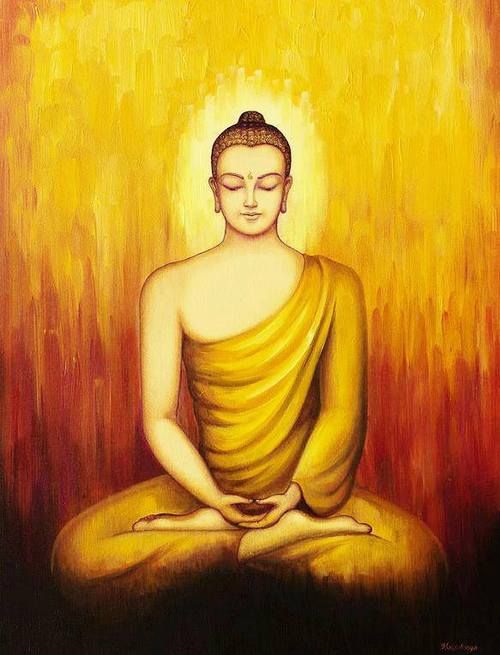
    As dusk fell, Devaputra Mara, the chief of all the demons, or maras, in this world, tried to disturb Siddhartha’s concentration by conjuring up many fearful apparitions. He manifested hosts of terrifying demons, some throwing spears, some firing arrows, some trying to burn him with fire, and some hurling boulders and even mountains at him. Through the force of his concentration, the weapons, rocks, and mountains appeared to him as a rain of fragrant flowers, and the raging fires became like offerings of rainbow lights.

    Seeing that Siddhartha could not be frightened into abandoning his meditation, Devaputra Mara tried instead to distract him by manifesting countless beautiful women, but Siddhartha responded by developing even deeper concentration. In this way he triumphed over all the demons of this world, which is why he subsequently became known as a “Conqueror Buddha.”

    With this concentration he removed the final veils of ignorance from his mind and in the next moment became a Buddha, a fully enlightened being.

    Source: About Buddha


  2. If we have true compassion in our hearts

    Comment

    The Dalai Lama has asked that the following practice be shared with as many people as possible.

    A group spent days visiting with the Dalai Lama focusing upon what they believe are five most important questions to be considered.

    The five questions were:

    1. How do we address the widening gap between rich and poor?
    2. How do we protect the earth?
    3. How do we educate our children?
    4. How do we help Tibet and other oppressed countries and peoples of the world?
    5. How do we bring spirituality (deep caring for one another) through all disciplines of life?

    The Dalai Lama said all five questions fall under the last one. If we have true compassion in our hearts, our children will be educated wisely, we will care for the earth, those who “have not” will be cared for.

    The group asked the Dalai Lama, “Do you think love on the planet is increasing or staying the same?” His response: “My experience leads me to believe that love is increasing.”

    He shared a simple practice that will increase love and compassion in the world. He asked everyone in the group to share it with as many people as they can.

    The Practice

    1. Spend 5 minutes at the beginning of each day remembering we all want the same things (to be happy and to be loved) and we are all connected to one another.

    2. Spend 5 minutes — breathing in — cherishing yourself; and, breathing out cherishing others. If you think about people you have difficulty cherishing, extend your cherishing to them anyway.

    3. During the day extend that attitude to everyone you meet. Practice cherishing the “simplest” person (clerks, attendants, etc.), as well as the “important” people in your life; cherish the people you love and the people you dislike.

    4. Continue this practice no matter what happens or what anyone does to you. These thoughts are very simple, inspiring and helpful. The practice of cherishing can be taken very deep if done wordlessly, allowing yourself to feel the love and appreciation that already exists in your heart.

    Will you commit to creating Peace in yourself and thereby “On Earth” by spending 10 minutes a day with this simple meditation? Peace on Earth Good Will To All…

    Not a season, It’s a daily practice.

    Source: Highonlife1

  3. Like the shining ones

    Comment

    Live in joy, in love,
    even among those who hate.
    Live in joy, in health,
    Even among the afflicted.
    Live in joy, in peace,
    Even among the troubled.
    Live in joy, without possessions,
    Like the shining ones.

    ~Dhammapada

    RFA photo

  4. Know the sweet joy of living

    Comment

    There is no fire like greed,
    No crime like hatred.
    No sorrow like separation,
    No sickness like hunger of heart,
    And no joy like the joy of freedom.
    Health, contentment and trust
    Are your greatest possessions,
    And freedom your greatest joy.
    Look within, be still
    Free from fear and attachment,
    Know the sweet joy of living in the way.

    ~Dhammapada

    RFA photo


  5. The Four Reliances

    Comment

    First, rely on the spirit and meaning of the teachings,
    not on the words.

    Second, rely on the teachings,
    not on the personality of the teacher.

    Third, rely on real wisdom,
    not superficial interpretation.

    And fourth, rely on the essence of your pure wisdom,
    not on judgmental perceptions.

    ~ Traditional Buddhist Teaching

    ព្រះសង្ឃនិងកូនសិស្សលោក នៅក្នុងវត្តមួយ ក្នុងឃុំក្បាលរមាស ស្រុកសេសាន ខេត្តស្ទឹងត្រែង។ RFA photo


  6. The Story of Thera Godhika

    Comment

    Buddha

    Verse 57: Mara cannot find the path taken by those who are endowed with virtue, who live mindfully and have been freed from moral defilements by Right Knowledge.1

    1. Arahats having eradicated moral defilements are no longer subject to rebirths; so Mara, for all his power, cannot find out where such arahats go after death. (The Commentary)

    The Story of Thera Godhika

    While residing at the Veluvana monastery, the Buddha uttered Verse (57) of this book, with reference to Thera Godhika.

    Thera Godhika was, on one occasion, diligently practising Tranquillity and Insight Development, on a stone slab on the side of Isigili mountain in Magadha. When he had achieved one-pointedness of the mind (jhana) he became very ill; that impaired the effectiveness of his practice. In spite of his sickness, he kept on striving hard; but every time he was making some progress he was overcome by sickness. He was thus inflicted for six times. Finally, he made up his mind to overcome all obstacles and attain arahatship even if he were to die. So, without relaxing he continued to practise diligently; in the end he decided to give up his life by cutting his throat; at the point of death he attained arahatship.

    When Mara learned that Thera Godhika had died, he tried to find out where the thera was reborn but failed to find him. So, assuming the likeness of a young man, Mara approached the Buddha and enquired where Thera Godhika was. The Buddha replied to him, “It will be of no benefit to you to learn of the destination of Thera Godhika; for having been freed of moral defilements he became an arahat. One like you, Mara, for all your power will not be able to find out where such arahats go after death.”

    Then the Buddha spoke in verse as follows:

    Verse 57: Mara cannot find the path taken by those who are endowed with virtue, who live mindfully and have been freed from moral defilements by Right Knowledge.

    Dhammapada Verse 57
    Godhikattheraparinibbana Vatthu

    Tesam sampannasilanam
    appamadaviharinam
    sammadanna vimuttanam
    Maro maggam na vindati.

    Source: Tipitaka


  7. Realize how blessed you are

    Comment

    A good life is when you assume nothing, do more, need less, smile often, dream big, laugh a lot, and realize how blessed you are. — Unknown

    RFA photo

    RFA photo

  8. Don’t cry over the past

    Comment

    Don’t cry over the past, it’s gone. Don’t stress about the future, it hasn’t arrived. Live in the present and make it beautiful. — Unknown

    pinkrosesinwater

  9. Go with the flow of life

    Comment

    Not everything will go as you expect in your life. This is why you need to drop expectations and go with the flow of life. — Unknown

    សកម្មភាពប្រចាំថ្ងៃរបស់អ្នកភូមិភ្លុក ក្នុងស្រុកសេសាន ខេត្តស្ទឹងត្រែង។ RFA photo

    សកម្មភាពប្រចាំថ្ងៃរបស់អ្នកភូមិភ្លុក ក្នុងស្រុកសេសាន ខេត្តស្ទឹងត្រែង។ RFA photo

  10. Practice of patience and tolerance

    Comment

    If you are ever to be successful in your practice of patience and tolerance, which is a critical factor in counteracting negative emotions, it will be due to the combination of your own efforts and also the opportunity provided by your enemy. ~His Holiness the Dalai Lama

    12931033_129492774114703_2665212909568609468_n


Live & Die for Buddhism

candle

Khmer Tipitaka 1 – 110

 ព្រះត្រៃបិដក

ព្រះត្រៃបិដក ប្រែថា កញ្រ្ចែង ឬ ល្អី​ ៣ សម្រាប់ដាក់ផ្ទុកពាក្យពេចន៍នៃព្រះសម្មាសម្ពុទ្ធ

The Tipitaka or Pali canon, is the collection of primary Pali language texts which form the doctrinal foundation of Theravada Buddhism. The three divisions of the Tipitaka are: Vinaya Pitaka, Sutta Pitaka, Abhidhamma Pitaka.

Maha Ghosananda

Maha Ghosananda

Supreme Patriarch of Cambodian Buddhism (5/23/1913 - 3/12/07). Forever in my heart...

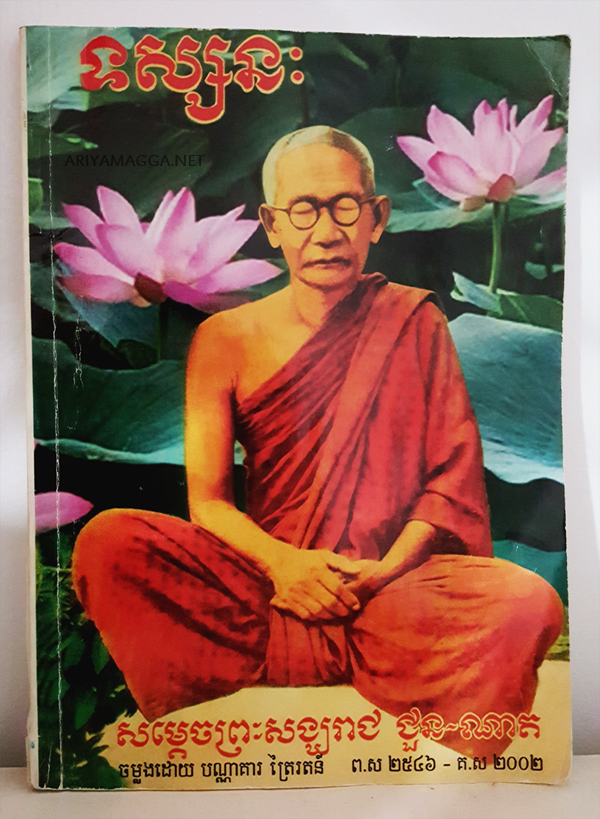
Samdech Chuon Nath

My reflection

វចនានុក្រមសម្តេចសង្ឃ ជួន ណាត
Desktop version

Listen to Khmer literature and Dhamma talk by His Holiness Jotannano Chuon Nath, Supreme Patriarch of Cambodia Buddhism.

Shantidevas’ Bodhisattva vows

My reflection

Should anyone wish to ridicule me and make me an object of jest and scorn why should I possibly care if I have dedicated myself to others?

Let them do as they wish with me so long as it does not harm them. May no one who encounters me ever have an insignificant contact.

Regardless whether those whom I meet respond towards me with anger or faith, may the mere fact of our meeting contribute to the fulfilment of their wishes.

May the slander, harm and all forms of abuse that anyone should direct towards me act as a cause of their enlightenment.

As a solid rock is not shaken by the wind, so the wise are not shaken by blame and praise. As a deep lake is clear and calm, so the wise become tranquil after they listened to the truth…

Good people walk on regardless of what happens to them. Good people do not babble on about their desires. Whether touched by happiness or by sorrow, the wise never appear elated or depressed. ~The Dhammapada

Hermit of Tbeng Mountain

Sachjang Phnom Tbeng សច្ចំ​​ ភ្នំត្បែង is a very long and interesting story written by Mr. Chhea Sokoan, read by Jendhamuni Sos. You can click on the links below to listen. Part 1 | Part 2

Beauty in nature

A beautiful object has no intrinsic quality that is good for the mind, nor an ugly object any intrinsic power to harm it. Beautiful and ugly are just projections of the mind. The ability to cause happiness or suffering is not a property of the outer object itself. For example, the sight of a particular individual can cause happiness to one person and suffering to another. It is the mind that attributes such qualities to the perceived object. — Dilgo Khyentse Rinpoche

Nature is loved by what is best in us. The sky, the mountain, the tree, the animal, give us a delight in and for themselves. — Ralph Waldo Emerson


Our journey for peace
begins today and every day.
Each step is a prayer,
Each step is a meditation,
Each step will build a bridge.

—​​​ Maha Ghosananda