1. A composite of 18 downfalls

    Comment
    RFA photo

    RFA photo

    There is a composite of 18 downfalls, which people who wished to take the engaged Bodhisattva vows should study and understand a little.

    To praise oneself and criticise others for personal gain
    To refuse to give wealth or Dharma out of miserliness
    To fail to forgive people who ask for forgiveness
    To give up on the  and Sangha
    To steal offerings
    To reject the Dharma
    To harm the Sangha in some way
    To commit the 5 heinous deeds
    To hold a wrong view
    To destroy villages, towns etc
    To teach emptiness to the untrained
    To turn people away from the Dharma
    To make people give up pratimoksha discipline
    To disparage sravakas and pratyekabuddhas
    To lie about realisations
    To receive offerings under false pretences
    To make harmful rules
    To abandon bodhicitta and helping sentient beings

    In the morning people received the aspiration Bodhisattva vows. However, an aspiration doesn’t make things happen. The difference between aspiration bodhicitta and engaged bodhicitta is the difference between someone who wants to do something and someone who does it. Aspiration has to be transformed into action. For example, working to protect the environment saves the lives of many sentient beings. We need to protect the snow mountains so that the snow doesn’t melt and so that all the great rivers of the world can continue to flow. Protecting these rivers will save millions of sentient beings who either live in them or depend on them. It is very important to take action. Quoting from the first line from the Four Immeasurables prayer: May all beings have happiness and the causes of happiness, His Holiness warned that sometimes when we recite this we are merely paying lip service, whereas we should be creating something concrete and helpful.
    .
    Engaged bodhicitta does not require extreme sacrifices such as cutting off a hand. Such actions have to be practised skillfully, as, for example, in one of the Jataka stories, somebody gives an eye, makes a dedication, and then the eye comes back. Somebody who is highly advanced can only do this. You have to be able to give without any regret. But it is not necessary to go to these extremes: you can make a start in small ways at your own level.

    We are gathered here in this really holy and sacred place of Bodhgaya. The Buddha foretold that if people in the future, who had not been able to meet him, went on pilgrimage with pure motivation and devotion to places where he had been, it would be the same as meeting him. Our mind is the main thing. Someone said once, “We are so deluded and so ignorant, it is extremely fortunate that I see my lama as a human being, and not as a dog or a donkey.”

    We hold our future in our own hands, to use the occasion to create something good for the future, so we should use this opportunity. Sometimes one action can achieve many things.

    Lamp for the path to enlightenment  – teachings by the Gyalwang Karmapa: Day three
    Link to this article
  2. Do Not Weep

    54

    Do not stand at my grave and weep,
    I am not there, I do not sleep.
    I am a thousand winds that blow.
    I am the diamond glint on snow.
    I am the sunlight on ripened grain.
    I am the gentle autumn rain.

    When you wake in the morning hush,
    I am the swift, uplifting rush
    Of quiet birds in circling flight.
    I am the soft starlight at night.

    Do not stand at my grave and weep.
    I am not there, I do not sleep.
    Do not stand at my grave and cry.
    I am not there, I did not die!

    ~Written by Mary Frye

  3. Good deeds shine in heaven

    98

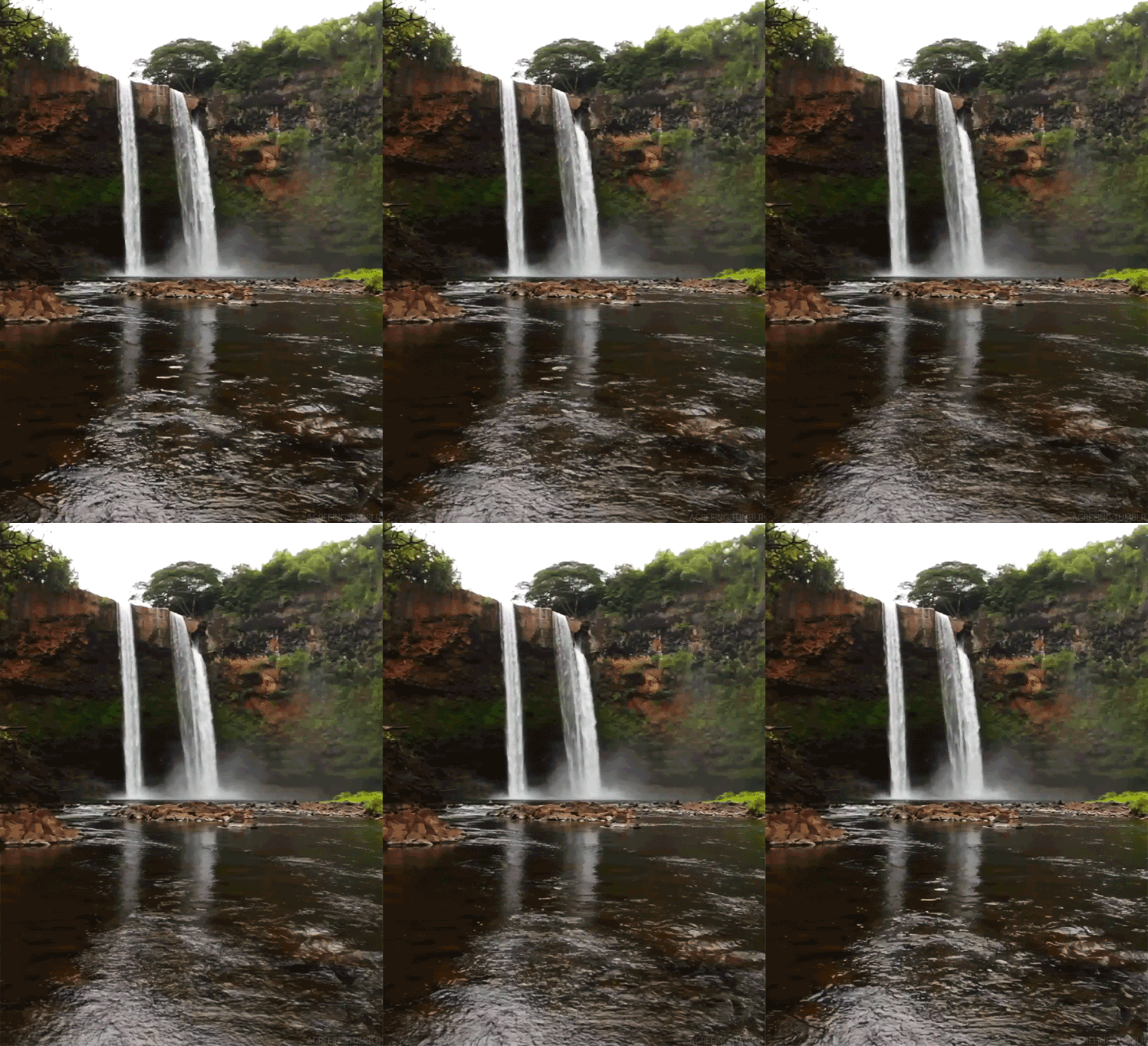
    In Buddhism, we do not need to pray to the angels to come help us or rescue us when we are facing troubles. Part of the angel’s job is to look after the good people. They look over those who master their words, their thoughts and those who never allow their body to do harm. The angels will come to help these people automatically without them having to say a prayer. Knowing this, we should continue to be kind, help those who need help, do good deeds without expectation… Jendhamuni

    verybeautifulwaterfall071215


  4. The true seeker

    42

    The true seeker
    Subdues all waywardness.
    He has submitted his nature to quietness.
    He is a true seeker
    Not because he begs
    But because he follows the lawful way,
    Holding back nothing, holding to nothing,
    Beyond good and beyond evil,
    Beyond the body and beyond the mind.

    ~Buddha

  5. Set Your Heart

    33

    Set your heart on doing good.
    Do it over and over again,
    And you will be filled with joy.

    ~Buddha

  6. The Story of the Ascetic Paveyya

    Comment

    Buddha

    Verse 50: One should not consider the faults of others, nor their doing or not doing good or bad deeds. One should consider only whether one has done or not done good or bad deeds.

    The Story of the Ascetic Paveyya

    While residing at the Jetavana monastery, the Buddha uttered Verse (50) of this book, with reference to the ascetic Paveyya and a rich lady.

    A rich lady of Savatthi had adopted Paveyya, an ascetic, as a son and was looking after his needs. When she heard her neighbours talking in praise of the Buddha, she wished very much to invite him to her house to offer him alms-food. So, the Buddha was invited and choice food was offered. As the Buddha was expressing appreciation (anumodana), Paveyya, who was in the next room, fumed with rage. He blamed and cursed the lady for venerating the Buddha. The lady heard him cursing and shouting and felt so ashamed that she could not concentrate on what the Buddha was saying. The Buddha told her not to be concerned about those curses and threats, but to concentrate only on her own good and bad deeds.

    Then the Buddha spoke in verse as follows:

    Verse 50: One should not consider the faults of others, nor their doing or not doing good or bad deeds. One should consider only whether one has done or not done good or bad deeds.
    At the end of the discourse the rich lady attained Sotapatti Fruition.

    Dhammapada Verse 50
    Paveyya ajivaka Vatthu

    Na paresam vilomani
    na paresam katakatam
    attanova avekkheyya
    katani akatani ca.

    Source: Tipitaka


  7. Live it Fully Everyday

    49

    In memory of Danny Svay

    Allow your dreams a place in your prayers and plans. God-given dreams can help you move into the future He is preparing for you. ~Barbara Johnson


  8. Embrace Fragility

    41

    Simply be mindful of fragility – both actual and potential. Notice how many things do break – defined broadly – and notice how many more there are that could break and eventually will: “things” such as physical objects (e.g., cup, blouse, body, species, ecosystem, earth’s crust), relationships, projects, agreements, states of mind, lives, and societies. All things fall apart, one way or another. Everything cracks. And yet there is something so beautiful about this part of the truth, as Leonard Cohen says much more eloquently than I can:

    Ring the bells that still can ring
    Forget your perfect offering
    There is a crack in everything
    That’s how the light gets in
    That’s how the light gets in

    ~Source: Wildmind Buddhist Meditation

  9. Triple truth

    Comment

    Teach this triple truth to all: A generous heart, kind speech, and a life of service and compassion are the things which renew humanity. ~Buddha


Live & Die for Buddhism

candle

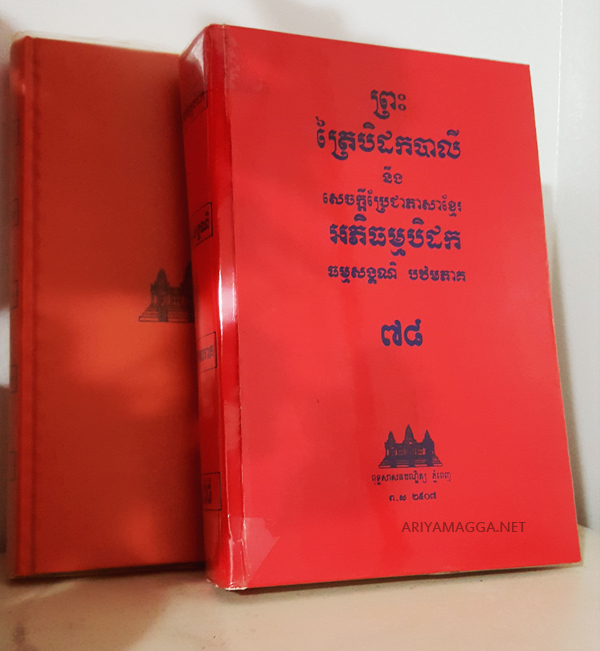
Khmer Tipitaka 1 – 110

 ព្រះត្រៃបិដក

ព្រះត្រៃបិដក ប្រែថា កញ្រ្ចែង ឬ ល្អី​ ៣ សម្រាប់ដាក់ផ្ទុកពាក្យពេចន៍នៃព្រះសម្មាសម្ពុទ្ធ

The Tipitaka or Pali canon, is the collection of primary Pali language texts which form the doctrinal foundation of Theravada Buddhism. The three divisions of the Tipitaka are: Vinaya Pitaka, Sutta Pitaka, Abhidhamma Pitaka.

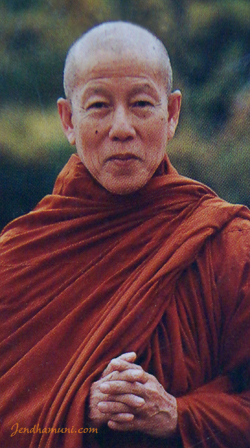
Maha Ghosananda

Maha Ghosananda

Supreme Patriarch of Cambodian Buddhism (5/23/1913 - 3/12/07). Forever in my heart...

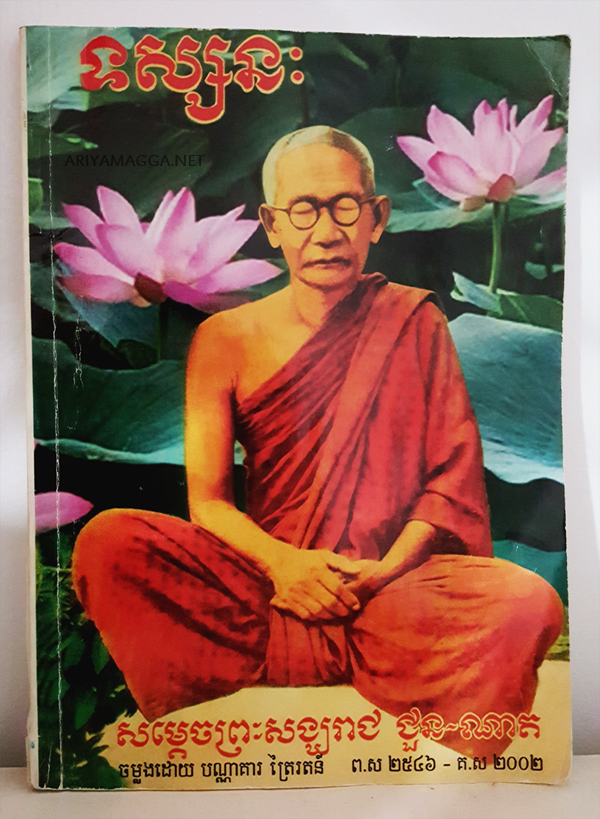
Samdech Chuon Nath

My reflection

វចនានុក្រមសម្តេចសង្ឃ ជួន ណាត
Desktop version

Listen to Khmer literature and Dhamma talk by His Holiness Jotannano Chuon Nath, Supreme Patriarch of Cambodia Buddhism.

Shantidevas’ Bodhisattva vows

My reflection

Should anyone wish to ridicule me and make me an object of jest and scorn why should I possibly care if I have dedicated myself to others?

Let them do as they wish with me so long as it does not harm them. May no one who encounters me ever have an insignificant contact.

Regardless whether those whom I meet respond towards me with anger or faith, may the mere fact of our meeting contribute to the fulfilment of their wishes.

May the slander, harm and all forms of abuse that anyone should direct towards me act as a cause of their enlightenment.

As a solid rock is not shaken by the wind, so the wise are not shaken by blame and praise. As a deep lake is clear and calm, so the wise become tranquil after they listened to the truth…

Good people walk on regardless of what happens to them. Good people do not babble on about their desires. Whether touched by happiness or by sorrow, the wise never appear elated or depressed. ~The Dhammapada

Hermit of Tbeng Mountain

Sachjang Phnom Tbeng សច្ចំ​​ ភ្នំត្បែង is a very long and interesting story written by Mr. Chhea Sokoan, read by Jendhamuni Sos. You can click on the links below to listen. Part 1 | Part 2

Beauty in nature

A beautiful object has no intrinsic quality that is good for the mind, nor an ugly object any intrinsic power to harm it. Beautiful and ugly are just projections of the mind. The ability to cause happiness or suffering is not a property of the outer object itself. For example, the sight of a particular individual can cause happiness to one person and suffering to another. It is the mind that attributes such qualities to the perceived object. — Dilgo Khyentse Rinpoche

Nature is loved by what is best in us. The sky, the mountain, the tree, the animal, give us a delight in and for themselves. — Ralph Waldo Emerson


Our journey for peace
begins today and every day.
Each step is a prayer,
Each step is a meditation,
Each step will build a bridge.

—​​​ Maha Ghosananda