1. TODAY 

    55

    ♥ Before you say an unkind word – Think of someone who can’t speak.
    ♥ Before you complain about the taste of your food – Think of someone who has nothing to eat.
    ♥ Before you complain about your husband or wife – Think of someone who’s crying out to GOD for a companion.
    ♥ Before you complain about life – Think of someone who went too early to Heaven.
    ♥ Before whining about the distance you drive – Think of someone who walks the same distance with their feet.
    ♥ And when you are tired and complain about your job – Think of the unemployed, the disabled, and those who wish they had your job…
    ♥ And when depressing thoughts seem to get you down – Put a Smile on your face and think: You’re Alive and still around. ~Unknown

  2. Jayamangala Gatha: Stanzas of Victory

    33

    The recital of the Jayamangala Gatha, a set of eight benedictory stanzas extolling the virtues of the Buddha, is usually done on important occasions or when inaugurating any venture of significance. The contents of the stanzas, when recited clearly, are intended to bring happiness and success in all good endeavours we embark upon. These verses have come to be called “The Stanzas of Victory” or Jayamangala Gatha. A unique feature that concludes each verse is the line “By virtue of this, may joyous victory be yours.” These stanzas are regarded as efficacious because they relate to eight occasions, each based on beautiful story, where the Buddha triumphed over his powerful opponents by the sheer power of good.

    Through these verses, one will realize that true victory is JOY; where none is left dejected or in pain. Each time the Buddha triumph over His adversaries, He left them with realizations and awe over the pure powers of generosity, patience, self control, loving kindness, serenity, peace, truthfulness and other virtues. The vanguished never leaves without lamp of wisdom being lighted; ensuring them greater happiness.

    While the origin of these stanzas is shrouded in mystery, it can be stated with certainty that they were compose in Sri Lanka by a devout Buddhist poet.


  3. Dealing with Tragedy in Life

    31

    Never fall into self-destructive habits

    When we meet real tragedy in life, we can react in two ways–either by losing hope and falling into self-destructive habits, or by using the challenge to find our inner strength. ~Dalai Lama XIV

  4. Fire with Fire

    18

    People who fight fire with fire usually end up with ashes. ~Abigail Van Buren

  5. Be a good human being

    27

    Be a good human being, a warm-hearted affectionate person. That is my fundamental belief. Having a sense of caring, a feeling of compassion will bring happiness of peace of mind to oneself and automatically create a positive atmosphere. — Dalai Lama

  6. Change

    57

    Many says, I want change
    Want change in my time
    Want change in my life
    I want a change badly
    I want change, many say

    They pray for a change
    They wish for a change
    They look for a change
    But they will not change
    They just wait for change

    It never happens to them
    It will never ever happen
    By mere prayer or wish
    It must start from inside
    With tons of determination

    Change is not so easy
    It takes lots of time
    So it needs determination
    The will to make change
    The will to see change

    Then only things will change
    Then only time will change
    Then only life will change
    So go and get change
    To see the bliss of change

    ~Kranthi Pothineni

  7. We walk like a free person

    Comment

    The Buddha said that the past is gone and the future is not yet here. Let us not regret the past. Let us not worry about the future to the present moment and live deeply the present moment. Because the present moment is the only moment where you can touch life. Life is available only in the present moment. That is why walking meditation is to go back to the present moment, in order to be alive again and to touch life deeply in that moment. In order to be able to touch the earth with our feet and enjoy walking, we have to establish ourselves firmly in the present moment, in the here and the now.

    In walking meditation, we walk like a free person. This is not political freedom. This is freedom from afflictions, from sorrow, from fear. Unless you are free you cannot enjoy walking. ~Thich Nhat Hanh

    Buddha with deers


  8. Inner Peace

    60

    If your mind becomes firm like a rock
    and no longer shakes
    In a world where everything is shaking
    Your mind will be your greatest friend
    and suffering will not come your way.
    ~Buddhist poem from the Therigatha

    The Buddha said, “Conquer anger by non-anger. Conquer evil by good. Conquer miserliness by liberality. Conquer a liar by truthfulness.”(Dhammapada, v. 233)

  9. The joy of life

    30

    Those who make compassion an essential part of their lives find the joy of life. Kindness deepens the spirit and produces rewards that cannot be completely explained in words. It is an experience more powerful than words. To become acquainted with kindness one must be prepared to learn new things and feel new feelings. Kindness is more than a philosophy of the mind. It is a philosophy of the spirit. ~Robert J. Furey


Live & Die for Buddhism

candle

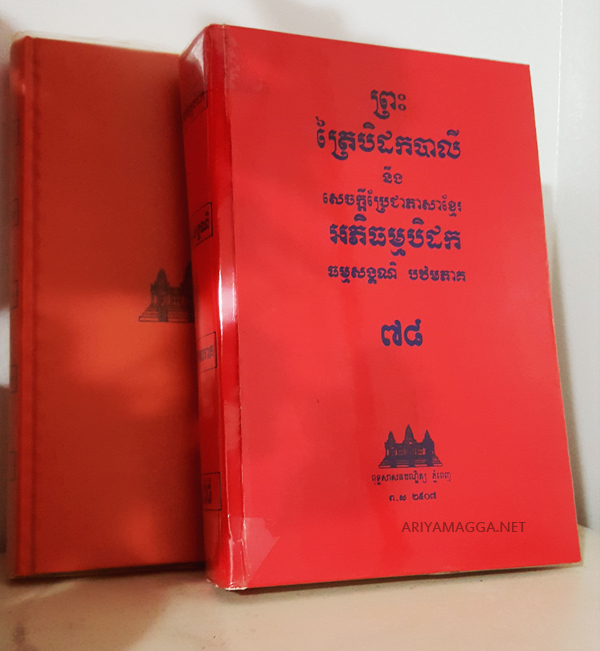
Khmer Tipitaka 1 – 110

 ព្រះត្រៃបិដក

ព្រះត្រៃបិដក ប្រែថា កញ្រ្ចែង ឬ ល្អី​ ៣ សម្រាប់ដាក់ផ្ទុកពាក្យពេចន៍នៃព្រះសម្មាសម្ពុទ្ធ

The Tipitaka or Pali canon, is the collection of primary Pali language texts which form the doctrinal foundation of Theravada Buddhism. The three divisions of the Tipitaka are: Vinaya Pitaka, Sutta Pitaka, Abhidhamma Pitaka.

Maha Ghosananda

Maha Ghosananda

Supreme Patriarch of Cambodian Buddhism (5/23/1913 - 3/12/07). Forever in my heart...

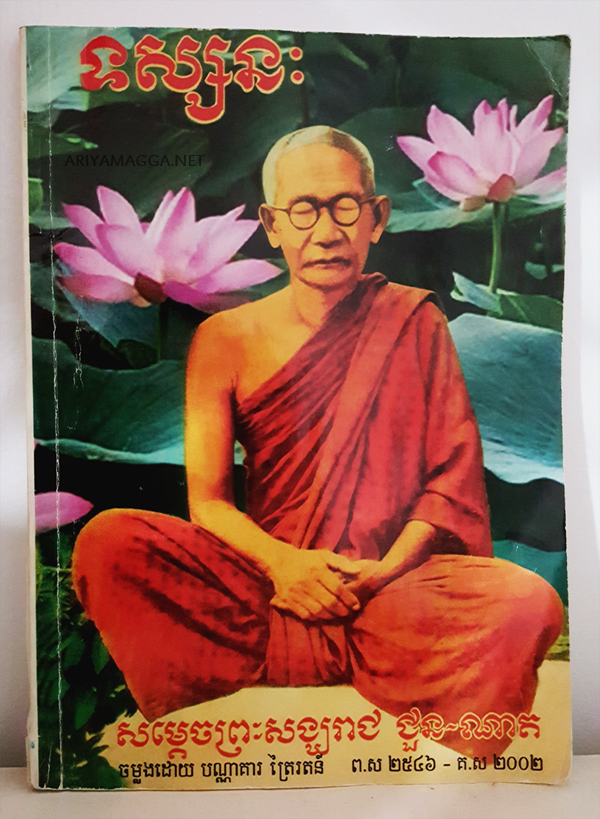
Samdech Chuon Nath

My reflection

វចនានុក្រមសម្តេចសង្ឃ ជួន ណាត
Desktop version

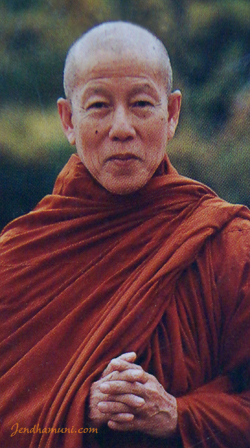
Listen to Khmer literature and Dhamma talk by His Holiness Jotannano Chuon Nath, Supreme Patriarch of Cambodia Buddhism.

Shantidevas’ Bodhisattva vows

My reflection

Should anyone wish to ridicule me and make me an object of jest and scorn why should I possibly care if I have dedicated myself to others?

Let them do as they wish with me so long as it does not harm them. May no one who encounters me ever have an insignificant contact.

Regardless whether those whom I meet respond towards me with anger or faith, may the mere fact of our meeting contribute to the fulfilment of their wishes.

May the slander, harm and all forms of abuse that anyone should direct towards me act as a cause of their enlightenment.

As a solid rock is not shaken by the wind, so the wise are not shaken by blame and praise. As a deep lake is clear and calm, so the wise become tranquil after they listened to the truth…

Good people walk on regardless of what happens to them. Good people do not babble on about their desires. Whether touched by happiness or by sorrow, the wise never appear elated or depressed. ~The Dhammapada

Hermit of Tbeng Mountain

Sachjang Phnom Tbeng សច្ចំ​​ ភ្នំត្បែង is a very long and interesting story written by Mr. Chhea Sokoan, read by Jendhamuni Sos. You can click on the links below to listen. Part 1 | Part 2

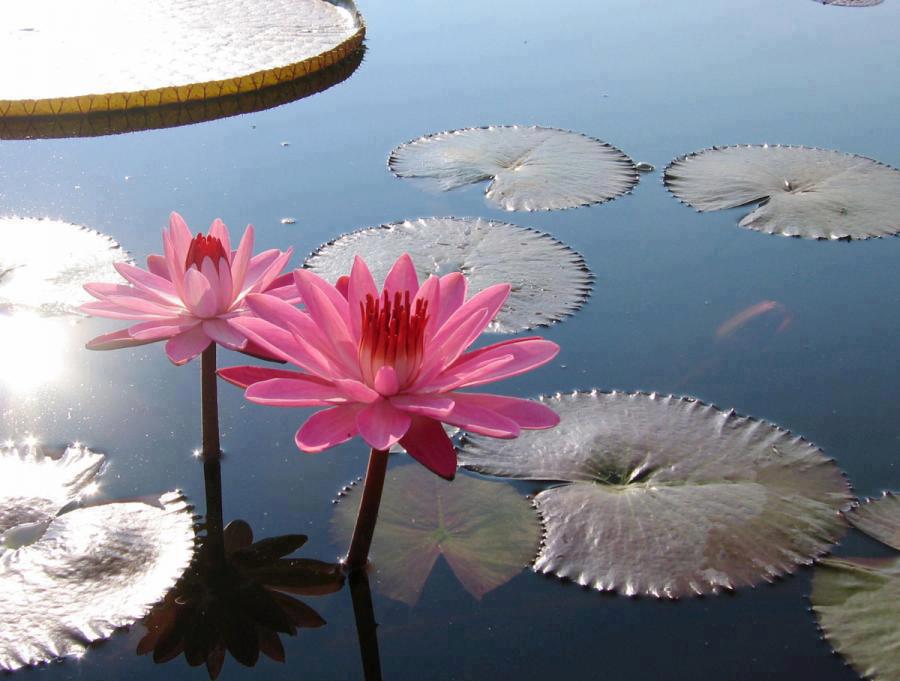
Beauty in nature

A beautiful object has no intrinsic quality that is good for the mind, nor an ugly object any intrinsic power to harm it. Beautiful and ugly are just projections of the mind. The ability to cause happiness or suffering is not a property of the outer object itself. For example, the sight of a particular individual can cause happiness to one person and suffering to another. It is the mind that attributes such qualities to the perceived object. — Dilgo Khyentse Rinpoche

Nature is loved by what is best in us. The sky, the mountain, the tree, the animal, give us a delight in and for themselves. — Ralph Waldo Emerson


Our journey for peace
begins today and every day.
Each step is a prayer,
Each step is a meditation,
Each step will build a bridge.

—​​​ Maha Ghosananda