1. Letting go gives us freedom…

    Comment

    “Being happy doesn’t mean everything is perfect, it means you have have decided to look beyond imperfections.”
    If you let go a little you will have a little happiness. If you let go a lot you will have a lot of happiness. If you let go completely you will be free. ~Ajahn Chah

    Jendhamuni 120915

    Nothing is permanent…

  2. Train our Mind

    268

    If we do not turn inwards and train our mind, but instead expend all our energy on arranging and rearranging the external aspects of our existence, then our suffering will continue. ~ Lama Zopa Rinpoch

  3. The Story of Balanakkhatta Festival

    Comment

    buddha-vihara

    Verse 26: The foolish and the ignorant give themselves over to negligence; whereas the wise treasure mindfulness as a precious jewel.

    Verse 27: Therefore, one should not be negligent, nor be addicted to sensual pleasures; for he who is established in mindfulness, through cultivation of Tranquillity and Insight Development Practice, experiences supreme happiness (i.e., realizes Nibbana).

    1. bala dummedhino jana: the foolish and the ignorant. The foolish mentioned in the story were the hooligans who were given up to wild revelry and disorder during the Balanakkhatta festival. They were not mindful of others or of the consequence for themselves in this world and the next.

    The Story of Balanakkhatta Festival

    White residing at the Jetavana monastery, the Buddha uttered Verses (26) and (27) of this book, in connection with the Balanakkhatta festival.

    At one time, the Balanakkhatta festival was being celebrated in Savatthi. During the festival, many foolish young men smearing themselves with ashes and cow-dung roamed about the city shouting and making themselves a nuisance to the public. They would also stop at the doors of others and leave only when given some money.

    At that time there were a great many lay disciples of the Buddha, living in Savatthi. On account of these foolish young hooligans, they sent word to the Buddha, requesting him to keep to the monastery and not to enter the city for seven days. They sent alms-food to the monastery and they themselves kept to their own houses. On the eighth day, when the festival was over, the Buddha and his disciples were invited into the city for alms-food and other offerings. On being told about the vulgar and shameful behaviour of the foolish young men during the festival, the Buddha commented that it was in the nature of the foolish and the ignorant to behave shamelessly.

    Then the Buddha spoke in verse as follows:
    Verse 26: The foolish and the ignorant give themselves over to negligence; whereas the wise treasure mindfulness as a precious jewel.

    Verse 27: Therefore, one should not be negligent, nor be addicted to sensual pleasures; for he who is established in mindfulness, through cultivation of Tranquillity and Insight Development Practice, experiences supreme happiness (i.e., realizes Nibbana).

    Dhammapada Verses 26 and 27
    Balanakkhattasanghuttha Vatthu

    Pamadamanuyu janti
    bala dummedhino jana1
    appamadaca medhavi
    dhanam setthamva rakkhati.

    Ma pamadamanuyu jetha
    ma kamaratisanthavam
    appamatto hi jhayanto
    pappoti vipulam sukham.

    Source: Tipitaka

     

  4. Speak words of kindness

    3

    For Attractive lips, speak words of kindness.
    For lovely eyes, seek out the good in people.
    For a slim figure, share your food with the hungry.
    For beautiful hair, let a child run their fingers through it once a day.
    For poise, walk with the knowledge that you never walk alone.

    We leave you a tradition with a future.
    The tender loving care of human beings will never become obsolete.
    People even more than things have to be restored, renewed, revived, reclaimed and redeemed and redeemed and redeemed.
    Never throw out anybody.

    Remember, if you ever need a helping hand, you’ll find one at the end of your arm.
    As you grow older, you will discover that you have two hands: one for helping yourself, the other for helping others.

    Your “good old days” are still ahead of you, may you have many of them.~ Sam Levenson


  5. If we are peaceful, if we are happy

    4

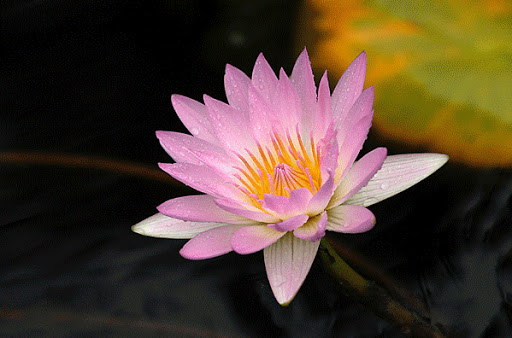
    If we are peaceful, if we are happy, we can smile and blossom like a flower, and everyone in our family, our entire society, will benefit from our peace. ~ Thich Nhat Hanh

  6. What is lovely never dies

    7

    What is lovely never dies, But passes into other loveliness, Star-dust, or sea-foam, flower or winged air. ~Thomas Bailey Aldrich


  7. Smiling is infectious

    3

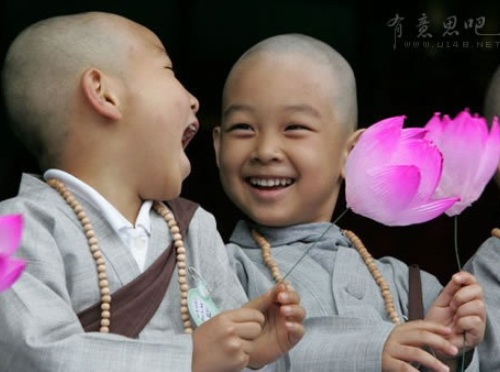
    Smiling is infectious,
    You can catch it like the flu.
    Someone smiled at me today,
    And I started smiling too.

    ~Author Unknown


Live & Die for Buddhism

candle

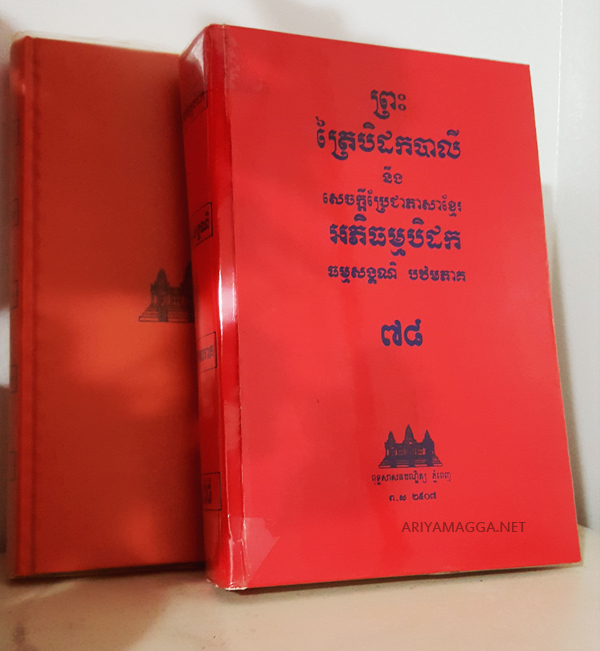
Khmer Tipitaka 1 – 110

 ព្រះត្រៃបិដក

ព្រះត្រៃបិដក ប្រែថា កញ្រ្ចែង ឬ ល្អី​ ៣ សម្រាប់ដាក់ផ្ទុកពាក្យពេចន៍នៃព្រះសម្មាសម្ពុទ្ធ

The Tipitaka or Pali canon, is the collection of primary Pali language texts which form the doctrinal foundation of Theravada Buddhism. The three divisions of the Tipitaka are: Vinaya Pitaka, Sutta Pitaka, Abhidhamma Pitaka.

Maha Ghosananda

Maha Ghosananda

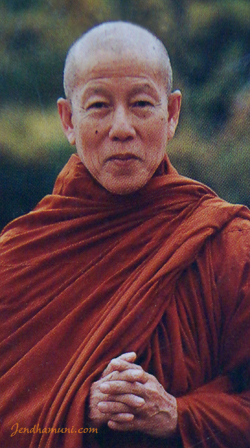
Supreme Patriarch of Cambodian Buddhism (5/23/1913 - 3/12/07). Forever in my heart...

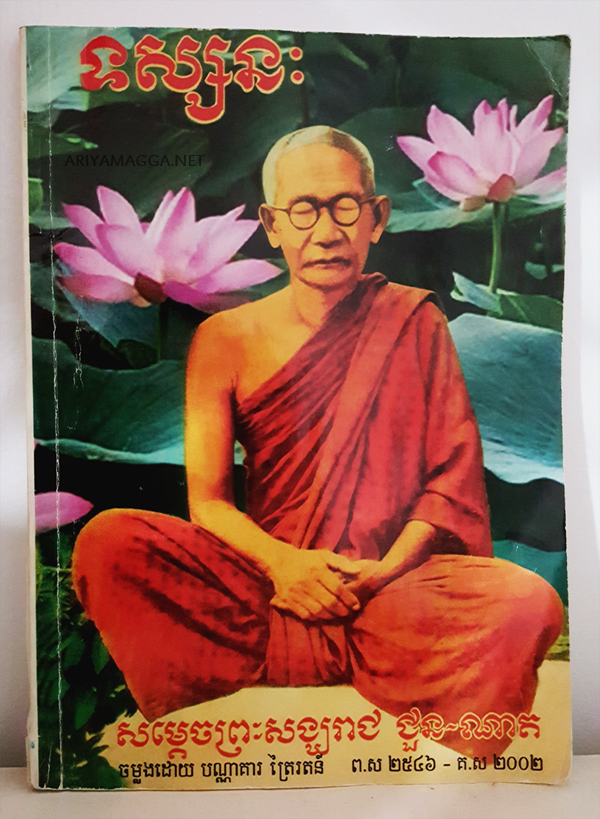
Samdech Chuon Nath

My reflection

វចនានុក្រមសម្តេចសង្ឃ ជួន ណាត
Desktop version

Listen to Khmer literature and Dhamma talk by His Holiness Jotannano Chuon Nath, Supreme Patriarch of Cambodia Buddhism.

Shantidevas’ Bodhisattva vows

My reflection

Should anyone wish to ridicule me and make me an object of jest and scorn why should I possibly care if I have dedicated myself to others?

Let them do as they wish with me so long as it does not harm them. May no one who encounters me ever have an insignificant contact.

Regardless whether those whom I meet respond towards me with anger or faith, may the mere fact of our meeting contribute to the fulfilment of their wishes.

May the slander, harm and all forms of abuse that anyone should direct towards me act as a cause of their enlightenment.

As a solid rock is not shaken by the wind, so the wise are not shaken by blame and praise. As a deep lake is clear and calm, so the wise become tranquil after they listened to the truth…

Good people walk on regardless of what happens to them. Good people do not babble on about their desires. Whether touched by happiness or by sorrow, the wise never appear elated or depressed. ~The Dhammapada

Hermit of Tbeng Mountain

Sachjang Phnom Tbeng សច្ចំ​​ ភ្នំត្បែង is a very long and interesting story written by Mr. Chhea Sokoan, read by Jendhamuni Sos. You can click on the links below to listen. Part 1 | Part 2

Beauty in nature

A beautiful object has no intrinsic quality that is good for the mind, nor an ugly object any intrinsic power to harm it. Beautiful and ugly are just projections of the mind. The ability to cause happiness or suffering is not a property of the outer object itself. For example, the sight of a particular individual can cause happiness to one person and suffering to another. It is the mind that attributes such qualities to the perceived object. — Dilgo Khyentse Rinpoche

Nature is loved by what is best in us. The sky, the mountain, the tree, the animal, give us a delight in and for themselves. — Ralph Waldo Emerson


Our journey for peace
begins today and every day.
Each step is a prayer,
Each step is a meditation,
Each step will build a bridge.

—​​​ Maha Ghosananda