The movement of the heart as we practice generosity in the outer world mirrors the movement of the heart when we let go of conditioned views about ourselves on our inner journey. Letting go creates a joyful sense of space in our minds. ~Sharon Salzberg
By engaging in a delusive quest for happiness, we bring only suffering upon ourselves. In our frantic search for something to quench our thirst, we overlook the water all around us and drive ourselves into exile from our own lives. ~Sharon Salzberg
“When you make peace with yourself, you make peace with the world.” ~H.H. Maha Ghosananda
Sometimes we think that to develop an open heart, to be truly loving and compassionate, means that we need to be passive, to allow others to abuse us, to smile and let anyone do what they want with us. Yet this is not what is meant by compassion. Quite the contrary. Compassion is not at all weak. It is the strength that arises out of seeing the true nature of suffering in the world. Compassion allows us to bear witness to that suffering, whether it is in ourselves or others, without fear; it allows us to name injustice without hesitation, and to act strongly, with all the skill at our disposal. To develop this mind state of compassion…is to learn to live, as the Buddha put it, with sympathy for all living beings, without exception. ~Sharon Salzberg
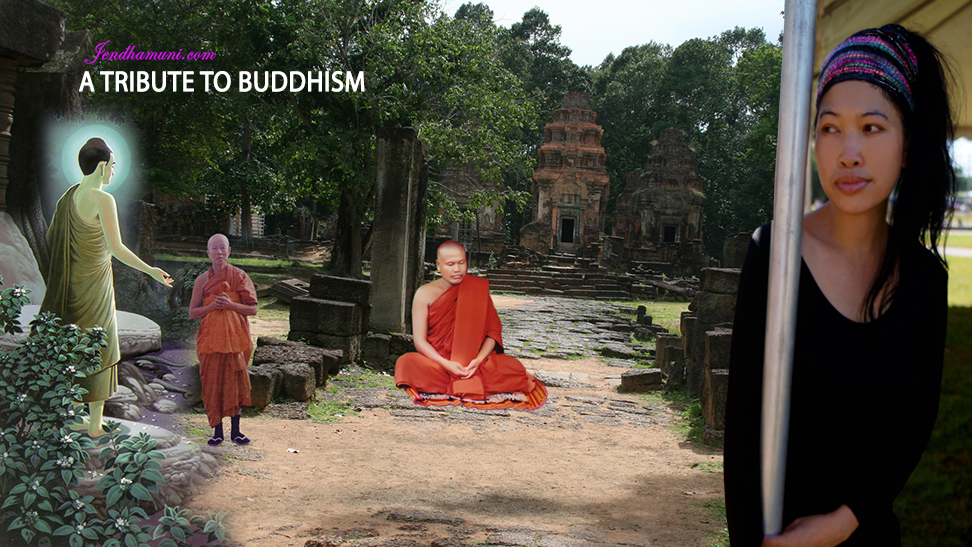
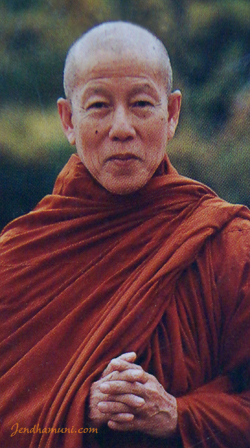
H.H. Maha Ghosananda, Supreme Patriarch of Cambodia Buddhism
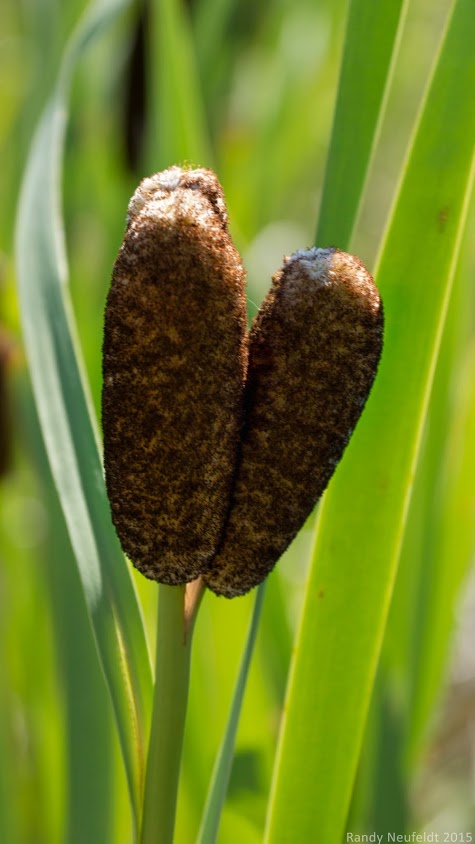
There are several species of bulrushes. Bulrushes are perennial grass-like plants and can grow to 10 feet tall in shallow water or in moist soils. Soft-stem bulrush can grow to 10 feet and grows in dense colonies from rhizomes. Soft-stem bulrush has a round (in cross section), light gray-green, relatively soft stem that comes to a point with no obvious leaves (only sheaths at the base of the stems). Flowers usually occur just below the tip of the stem.
Giant bulrush can also grow to 10 feet, is dark green with a hard, triangular stem and no obvious leaves (sheaths at the base of the stems).
Submerged portions of all aquatic plants provide habitats for many micro and macro invertebrates. These invertebrates in turn are used as food by fish and other wildlife species (e.g. amphibians, reptiles, ducks, etc.). After aquatic plants die, their decomposition by bacteria and fungi provides food (called “detritus”) for many aquatic invertebrates. Seeds of bulrushes are consumed by ducks and other birds while geese, muskrats, and nutria consume the rhizomes and early shoots.
Mutant Beauty – Double Headed Bulrush. Photo credit: Randy Neufeldt
Love can have this vast, all-encompassing quality. It can be allowed to spread until it permeates the very core of our relationships. Yet often, instead of giving love room to expand, we box it in with our expectations. Expectations make our love conditional on whether or not the relationship fulfills our wishes. How can you expect love to last when you demand that it meet your conditions, and you act as if you own another person? ~ 17th Karmapa
We should begin by removing the greatest hindrances to compassion: anger and hatred. As we all know, these are extremely powerful emotions and they can overwhelm our entire mind. Nevertheless, they can be controlled. If, however, they are not, these negative emotions will plague us – with no extra effort on their part! – and impede our quest for the happiness of a loving mind.
So as a start, it is useful to investigate whether or not anger is of value. Sometimes, when we are discouraged by a difficult situation, anger does seem helpful, appearing to bring with it more energy, confidence and determination.
Here, though, we must examine our mental state carefully. While itis true that anger brings extra energy, if we explore the nature of this energy, we discover that it is blind: we cannot be sure whether its result will be positive or negative. This is because anger eclipses the best part of our brain: its rationality. So the energy of anger is almost always unreliable. It can cause an immense amount of destructive, unfortunate behavior. Moreover, if anger increases to the extreme, one becomes like a mad person, acting in ways that are as damaging to oneself as they are to others.
It is possible, however, to develop an equally forceful but far more controlled energy with which to handle difficult situations.
This controlled energy comes not only from a compassionate attitude, but also from reason and patience. These are the most powerful antidotes to anger. Unfortunately, many people misjudge these qualities as signs of weakness. I believe the opposite to be true: that they are the true signs of inner strength. Compassion is by nature gentle, peaceful and soft, but it is very powerful. It is those who easily lose their patience who are insecure and unstable. Thus, to me, the arousal of anger is a direct sign of weakness.
So, when a problem first arises, try to remain humble and maintain a sincere attitude and be concerned that the outcome is fair. Of course, others may try to take advantage of you, and if your remaining detached only encourages unjust aggression, adopt a strong stand, This, however, should be done with compassion, and if it is necessary to express your views and take strong countermeasures, do so without anger or ill-intent.
You should realize that even though your opponents appear to be harming you, in the end, their destructive activity will damage only themselves. In order to check your own selfish impulse to retaliate, you should recall your desire to practice compassion and assume responsibility for helping prevent the other person from suffering the consequences of his or her acts.
Thus, because the measures you employ have been calmly chosen, they will be more effective, more accurate and more forceful. Retaliation based on the blind energy of anger seldom hits the target.
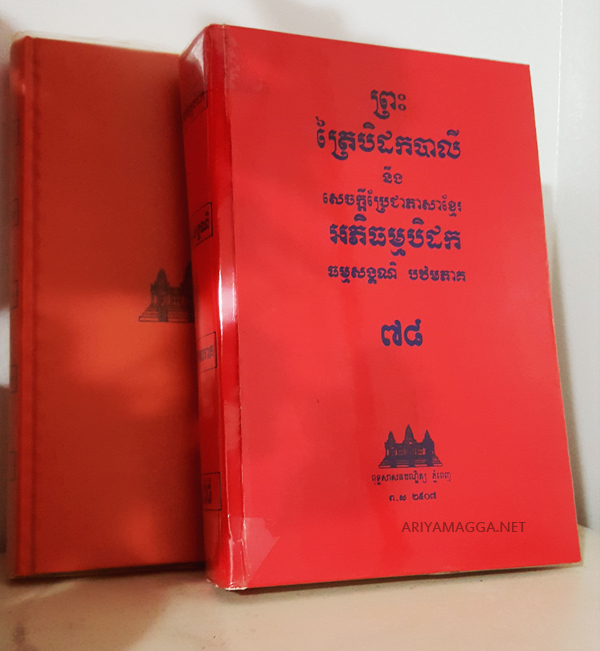
The Tipitaka or Pali canon, is the collection of primary Pali language texts which form the doctrinal foundation of Theravada Buddhism. The three divisions of the Tipitaka are: Vinaya Pitaka, Sutta Pitaka, Abhidhamma Pitaka.
Maha Ghosananda
Supreme Patriarch of Cambodian Buddhism (5/23/1913 - 3/12/07). Forever in my heart...
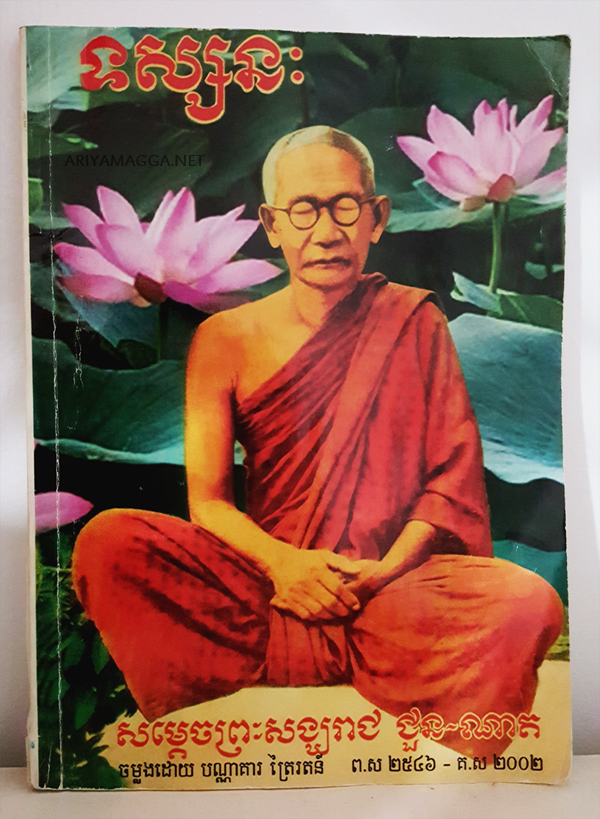
Samdech Chuon Nath
វចនានុក្រមសម្តេចសង្ឃ ជួន ណាត Desktop version
Listen to Khmer literature and Dhamma talk by His Holiness Jotannano Chuon Nath, Supreme Patriarch of Cambodia Buddhism.
Shantidevas’ Bodhisattva vows
Should anyone wish to ridicule me and make me an object of jest and scorn why should I possibly care if I have dedicated myself to others?
Let them do as they wish with me so long as it does not harm them. May no one who encounters me ever have an insignificant contact.
Regardless whether those whom I meet respond towards me with anger or faith, may the mere fact of our meeting contribute to the fulfilment of their wishes.
May the slander, harm and all forms of abuse that anyone should direct towards me act as a cause of their enlightenment.
As a solid rock is not shaken by the wind, so the wise are not shaken by blame and praise. As a deep lake is clear and calm, so the wise become tranquil after they listened to the truth…
Good people walk on regardless of what happens to them. Good people do not babble on about their desires. Whether touched by happiness or by sorrow, the wise never appear elated or depressed. ~The Dhammapada
Hermit of Tbeng Mountain
Sachjang Phnom Tbeng សច្ចំ ភ្នំត្បែង is a very long and interesting story written by Mr. Chhea Sokoan, read by Jendhamuni Sos. You can click on the links below to listen. Part 1 | Part 2