1. The way I see it…

    Comment

    The way I see it, our natural human instinct is to fight or flee that which we perceive to be dangerous. Although this mechanism evolved to protect us, it serves as the single greatest limiting process to our growth. To put this process in perspective and not let it rule my life, I
    expect the unexpected;
    make the unfamiliar familiar;
    make the unknown known;
    make the uncomfortable comfortable;
    believe the unbelievable.

    ~Charles F. Glassman

  2. Mistakes and failures

    Comment

    Promise yourself today to forget the mistakes and failures of the past. Concentrate on the present and move on to greater achievements of the future. ~Anurag Prakash Ray

  3. Curious Cockatiel

    Comment

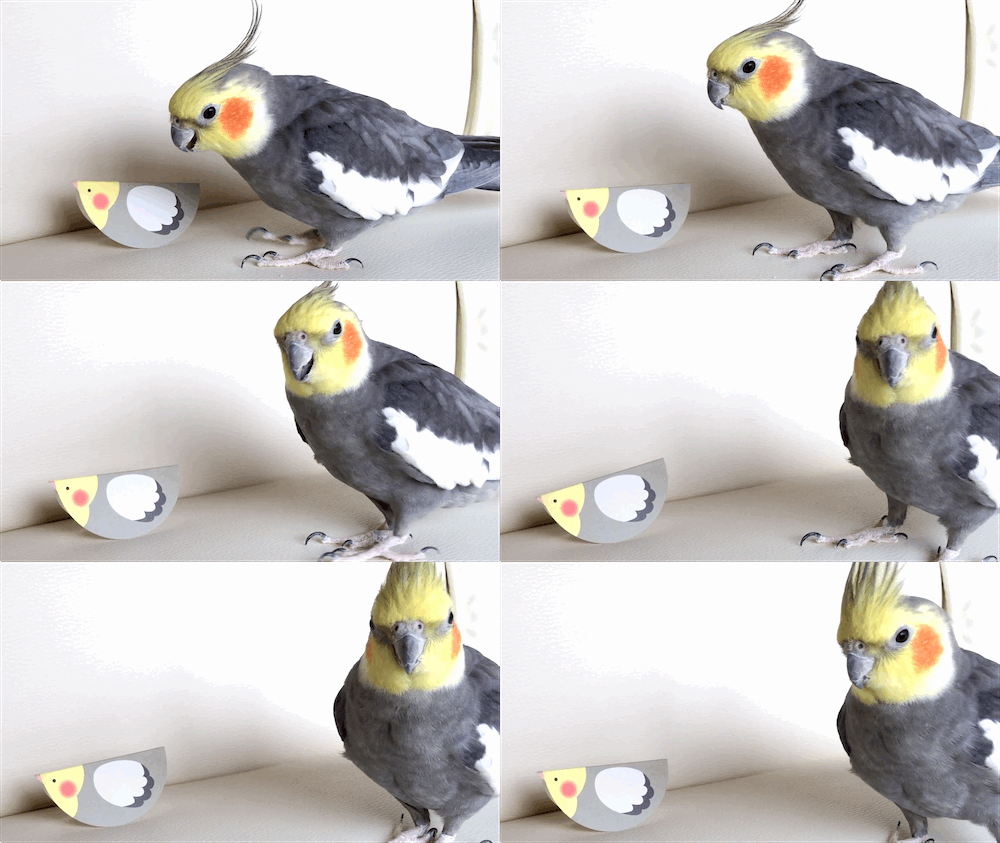
    In the wild, you’ll see immense flocks of cockatiels circling the sky in search of large bodies of water where they can rest, breed, and escape from the Australian heat. Cockatiels are very sociable birds and will get depressed if they are left alone for long periods of time. They may hit their heads against cages, pull their feathers, refuse to eat, or become angry. It’s best to get a pair of cockatiels if you know you’ll be out of your house for long periods of time. Source: Cockatiels

  4. For a better future

    Comment

    Pain makes you stronger, tears make you braver, and heartbreak makes you wiser. So thank the past for a better future. ~Orebela Gbenga

  5. Because of your smile

    Comment

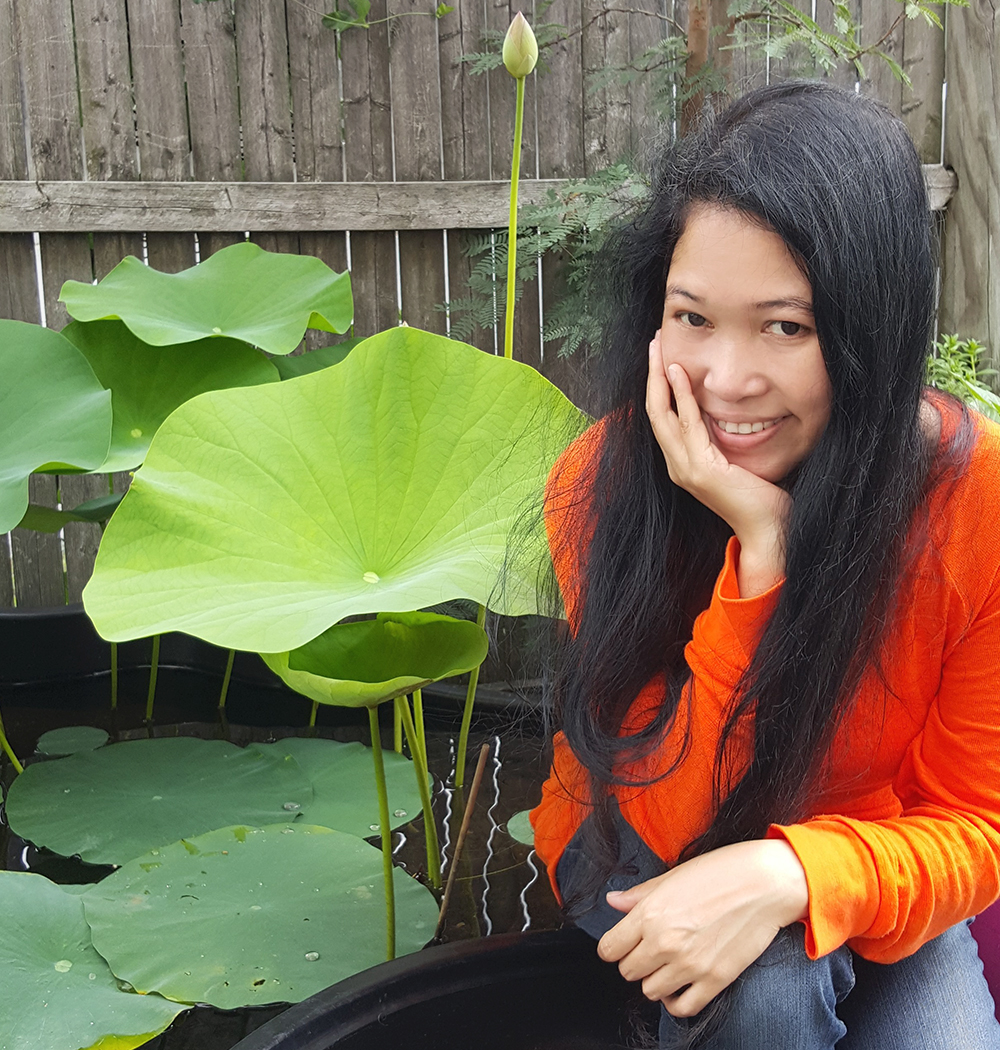
    Because of your smile, you make life more beautiful. We humans have lost the wisdom of genuinely resting and relaxing. We worry too much. We don’t allow our bodies to heal, and we don’t allow our minds and hearts to heal. ~Thich Nhat Hanh

    Jendhamuni Lotus flower


  6. You take away their power

    Comment

    Forgiveness is a sign of letting go and when you forgive someone that hurts you, you take away their power. ~London Mond

  7. Once we understand

    Comment

    yellow-rose-in-water-082515

    Because of climate change and increasing natural disasters, the world’s 7 billion people must learn to work together. This is no longer a time, His Holiness said, to think only of ‘my nation’ or ‘our continent’ alone. There is a real need for a greater sense of global responsibility based on a sense of the oneness of humanity.

    “Once we understand that like us other human beings want to live a happy life, and that our own future depends on others like them it will be easier to develop compassion. This is a question of survival,” His Holiness declared. “And in order to protect our sense of compassion, we need tolerance and forgiveness. These are the kind of qualities that are important in a healthy society, that are the basis of a happier more harmonious community. To achieve this in reality, we have been working on a curriculum to introduce secular ethics into our education system from kindergarten all the way up to university.”

    ~by H.H. Dalai Lama | Link source


  8. Prince Goodspeaker and the Water Demon

    Comment

    Buddha and monks

    [Chapter 2. The Teaching of the Gods]

    In time, the queen gave birth to another son, who was named Prince Moon. Shortly after both children began walking about, their mother suddenly became very sick, and died.

    To help him look after his playful children, the king found a princess to become his new queen. In a few years, this queen gave birth to a beautiful bright little boy. He was named Prince Sun. Since the king was so happy, he wanted to please his queen, and reward her for bringing up all three children. So he promised to grant her one wish. The queen considered, and said, “Thank you my lord, I will make my wish at some time in the future.”

    As time went on, the three princes grew into wonderful playful youngsters. The queen saw that Prince Goodspeaker was intelligent and understanding. She thought, “If these two older princes remain in the palace, my son, Prince Sun, will never get a chance to be king. Therefore, I must do something to make him the next king.”

    One day, when the king was in a good mood, the queen respectfully approached him and reminded him of the promised wish. He was very happy and said, “Ask whatever you want!” The queen said, “Oh my husband and king, grant that after the course of your life is over, my son, Prince Sun, will be the next king.”

    The king was shocked by this request. He became angry and said, “My first two children are like bright stars! How can I give the kingdom to my third son? All the people will blame me. That cannot be done!” The queen kept silent.

    As happy as the king had been, he now became just as unhappy. He was afraid and filled with doubt. He suspected that the queen might destroy his first-born children by some wicked means. He decided that he must make sure his children were safe.

    Secretly, the king called Prince Goodspeaker and Prince Moon to him. He told them of the queen’s dangerous desire. He sadly said that the only safe thing for them to do was to leave the kingdom. They should return only after their father’s death, and take their rightful places ruling the kingdom. The two obedient princes accepted their father’s order and prepared to leave.

    In a few days they were ready. They said their sad good-byes to their father and friends, and left the palace. On their way through the royal gardens, they came upon Prince Sun. He had always been very affectionate and friendly towards his two older half-brothers. He was upset to hear that they were leaving for a very long time. So he decided that he too would leave the kingdom. The three friendly princes departed together.

    For several months they travelled, until they reached the forest country of the mighty Himalayas. They were very tired and sat down under a tree. The oldest brother, Prince Goodspeaker, said to the youngest, Prince Sun, “Please go down to the nearby lake and fill some lotus leaves with water. Bring them back here so we all can drink.” Continue reading


Live & Die for Buddhism

candle

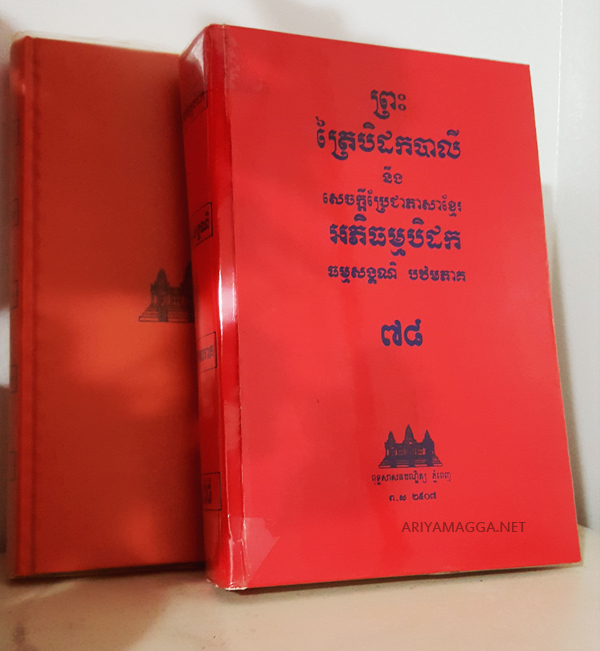
Khmer Tipitaka 1 – 110

 ព្រះត្រៃបិដក

ព្រះត្រៃបិដក ប្រែថា កញ្រ្ចែង ឬ ល្អី​ ៣ សម្រាប់ដាក់ផ្ទុកពាក្យពេចន៍នៃព្រះសម្មាសម្ពុទ្ធ

The Tipitaka or Pali canon, is the collection of primary Pali language texts which form the doctrinal foundation of Theravada Buddhism. The three divisions of the Tipitaka are: Vinaya Pitaka, Sutta Pitaka, Abhidhamma Pitaka.

Maha Ghosananda

Maha Ghosananda

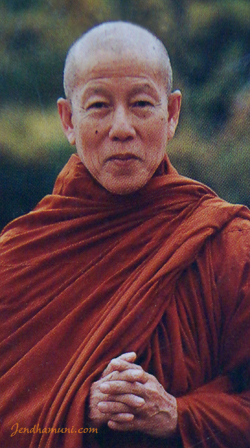
Supreme Patriarch of Cambodian Buddhism (5/23/1913 - 3/12/07). Forever in my heart...

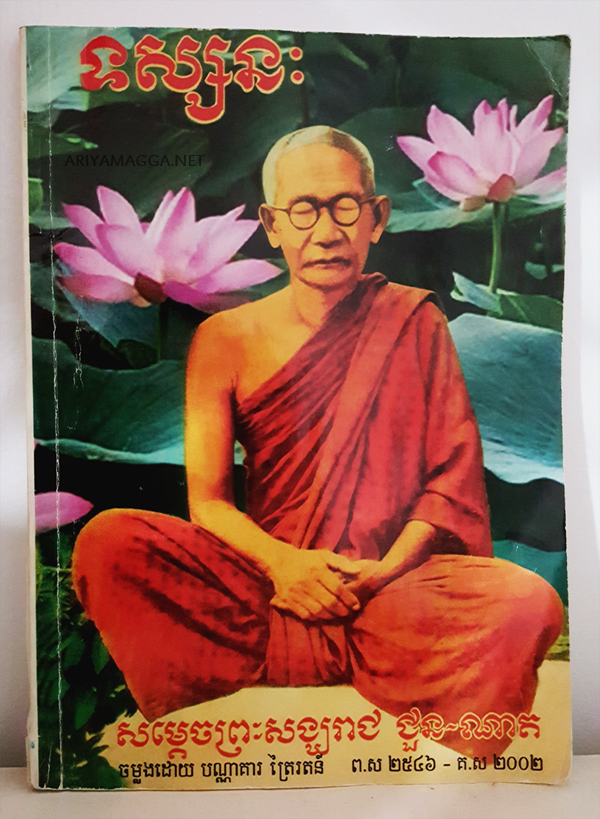
Samdech Chuon Nath

My reflection

វចនានុក្រមសម្តេចសង្ឃ ជួន ណាត
Desktop version

Listen to Khmer literature and Dhamma talk by His Holiness Jotannano Chuon Nath, Supreme Patriarch of Cambodia Buddhism.

Shantidevas’ Bodhisattva vows

My reflection

Should anyone wish to ridicule me and make me an object of jest and scorn why should I possibly care if I have dedicated myself to others?

Let them do as they wish with me so long as it does not harm them. May no one who encounters me ever have an insignificant contact.

Regardless whether those whom I meet respond towards me with anger or faith, may the mere fact of our meeting contribute to the fulfilment of their wishes.

May the slander, harm and all forms of abuse that anyone should direct towards me act as a cause of their enlightenment.

As a solid rock is not shaken by the wind, so the wise are not shaken by blame and praise. As a deep lake is clear and calm, so the wise become tranquil after they listened to the truth…

Good people walk on regardless of what happens to them. Good people do not babble on about their desires. Whether touched by happiness or by sorrow, the wise never appear elated or depressed. ~The Dhammapada

Hermit of Tbeng Mountain

Sachjang Phnom Tbeng សច្ចំ​​ ភ្នំត្បែង is a very long and interesting story written by Mr. Chhea Sokoan, read by Jendhamuni Sos. You can click on the links below to listen. Part 1 | Part 2

Beauty in nature

A beautiful object has no intrinsic quality that is good for the mind, nor an ugly object any intrinsic power to harm it. Beautiful and ugly are just projections of the mind. The ability to cause happiness or suffering is not a property of the outer object itself. For example, the sight of a particular individual can cause happiness to one person and suffering to another. It is the mind that attributes such qualities to the perceived object. — Dilgo Khyentse Rinpoche

Nature is loved by what is best in us. The sky, the mountain, the tree, the animal, give us a delight in and for themselves. — Ralph Waldo Emerson


Our journey for peace
begins today and every day.
Each step is a prayer,
Each step is a meditation,
Each step will build a bridge.

—​​​ Maha Ghosananda