1. Because I Love

    Comment

    All, everything that I understand, I only understand because I love. ~Leo Tolstoy

  2. Elephants, Oxen, & Water Buffaloes

    Comment

    Buddha and animals072715

    Training the mind well is a useful activity. You can see this even in draft animals, like elephants, oxen, and water buffaloes. Before we can put them to work, we have to train them. Only when they’re well trained can we use their strength and put it to different purposes. All of you know this.

    A mind well trained is of many times greater value. Look at the Buddha and his noble disciples. They changed their status from being run-of-the-mill people to being noble ones, respected by people all over. And they’ve benefited us in more wide-ranging ways than we could ever determine. All of this comes from the fact that they’ve trained their minds well.

    A mind well trained is of use in every occupation. It enables us to do our work with circumspection. It makes us reasonable instead of impulsive, and enables us to experience a happiness appropriate to our station in life.


    “In Simple Terms: 108 Dhamma Similes”, by Ajahn Chah
    translated from the Thai by Thanissaro Bhikkhu.
    Access to Insight (Legacy Edition), 2 November 2013
    Link source

     

  3. Two kinds of forgiveness

    Comment

    For there are two kinds of forgiveness in the world: the one you practice because everything really is all right, and what went before is mended. The other kind of forgiveness you practice because someone needs desperately to be forgiven, or because you need just as badly to forgive them, for a heart can grab hold of old wounds and go sour as milk over them. ~Catherynne M. Valente

    red flowers near lake 080215

  4. To give and not expect anything in return

    Comment

    To give and not expect anything in return; to give for no special time or season; to give, not for any particular recognition; to give, not for a substantial tax refund; to give for the sake of giving — often just between giver and receiver — has a life of its own — an elevated one. ~Glaceta Honeyghan

    Playing with Max

    Playing with Max

  5. If the Lord should bring…

    Comment

    If the Lord should bring a wicked man to heaven, heaven would be hell to him; for he who loves
    not grace upon earth will never love it in heaven. ~Christopher Love

  6. Birdie with the ball

    Comment

    Scientists believe that birds evolved from theropod dinosaurs. Birds have hollow bones which help them fly. Some bird species are intelligent enough to create and use tools. The chicken is the most common species of bird found in the world. Source: Sciencekids

  7. The only cure for loneliness

    Comment

    We can cure physical diseases with medicine, but the only cure for loneliness, despair, and hopelessness is love. There are many in the world who are dying for a piece of bread, but there are many more dying for a little love. ~Mother Teresa

  8. Kitty’s love fight

    Comment

    It is important to include fat in your cat’s diet because they’re unable
    to make the nutrient in their bodies on their own. Source: Animal Planet

  9. Medicine for any kind of wound

    Comment

    Love is a medicine for any kind of wound, but there is no
    medicine found in the world for a wound given by love.

    ~Aldyna Threesya


Live & Die for Buddhism

candle

Khmer Tipitaka 1 – 110

 ព្រះត្រៃបិដក

ព្រះត្រៃបិដក ប្រែថា កញ្រ្ចែង ឬ ល្អី​ ៣ សម្រាប់ដាក់ផ្ទុកពាក្យពេចន៍នៃព្រះសម្មាសម្ពុទ្ធ

The Tipitaka or Pali canon, is the collection of primary Pali language texts which form the doctrinal foundation of Theravada Buddhism. The three divisions of the Tipitaka are: Vinaya Pitaka, Sutta Pitaka, Abhidhamma Pitaka.

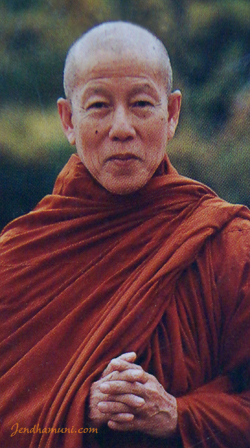
Maha Ghosananda

Maha Ghosananda

Supreme Patriarch of Cambodian Buddhism (5/23/1913 - 3/12/07). Forever in my heart...

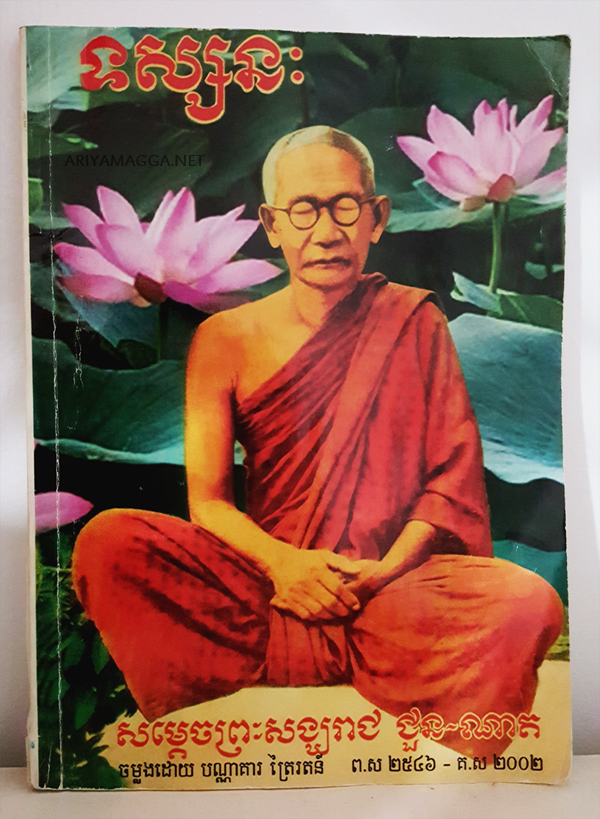
Samdech Chuon Nath

My reflection

វចនានុក្រមសម្តេចសង្ឃ ជួន ណាត
Desktop version

Listen to Khmer literature and Dhamma talk by His Holiness Jotannano Chuon Nath, Supreme Patriarch of Cambodia Buddhism.

Shantidevas’ Bodhisattva vows

My reflection

Should anyone wish to ridicule me and make me an object of jest and scorn why should I possibly care if I have dedicated myself to others?

Let them do as they wish with me so long as it does not harm them. May no one who encounters me ever have an insignificant contact.

Regardless whether those whom I meet respond towards me with anger or faith, may the mere fact of our meeting contribute to the fulfilment of their wishes.

May the slander, harm and all forms of abuse that anyone should direct towards me act as a cause of their enlightenment.

As a solid rock is not shaken by the wind, so the wise are not shaken by blame and praise. As a deep lake is clear and calm, so the wise become tranquil after they listened to the truth…

Good people walk on regardless of what happens to them. Good people do not babble on about their desires. Whether touched by happiness or by sorrow, the wise never appear elated or depressed. ~The Dhammapada

Hermit of Tbeng Mountain

Sachjang Phnom Tbeng សច្ចំ​​ ភ្នំត្បែង is a very long and interesting story written by Mr. Chhea Sokoan, read by Jendhamuni Sos. You can click on the links below to listen. Part 1 | Part 2

Beauty in nature

A beautiful object has no intrinsic quality that is good for the mind, nor an ugly object any intrinsic power to harm it. Beautiful and ugly are just projections of the mind. The ability to cause happiness or suffering is not a property of the outer object itself. For example, the sight of a particular individual can cause happiness to one person and suffering to another. It is the mind that attributes such qualities to the perceived object. — Dilgo Khyentse Rinpoche

Nature is loved by what is best in us. The sky, the mountain, the tree, the animal, give us a delight in and for themselves. — Ralph Waldo Emerson


Our journey for peace
begins today and every day.
Each step is a prayer,
Each step is a meditation,
Each step will build a bridge.

—​​​ Maha Ghosananda