1. Training the Mind: Verse 4

    Comment

    When I see beings of unpleasant character
    Oppressed by strong negativity and suffering,
    May I hold them dear-for they are rare to find-
    As if I have discovered a jewel treasure!

    runningwater071915

    by His Holiness the Dalai Lama

    This verse refers to the special case of relating to people who are socially marginalized, perhaps because of their behavior, their appearance, their destitution, or on account of some illness. Whoever practices bodhichitta must take special care of these people, as if on meeting them, you have found a real treasure. Instead of feeling repulsed, a true practitioner of these altruistic principles should engage and take on the challenge of relating. In fact, the way we interact with people of this kind could give a great impetus to our spiritual practice.

    In this context, I would like to point out the great example set by many Christian brothers and sisters who engage in the humanitarian and caring professions especially directed to marginalized members of society. One such example in our times was the late Mother Teresa, who dedicated her life to caring for the destitute. She exemplified the ideal that is described in this verse.

    It is on account of this important point that when I meet members of Buddhist centers in various parts of the world, I often point out to them that it is not sufficient for a Buddhist center simply to have programs of teaching or meditation. There are, of course, very impressive Buddhist centers, and some retreat centers, where the Western monks have been trained so well that they are capable pf playing the clarinet in the traditional Tibetan way! But I also emphasize to them the need to bring the social and caring dimension into their program of activities, so that the principles presented in the Buddhist teachings can make a contribution to society.

    I am glad to say that I’ve heard that some Buddhist centers are beginning to apply Buddhist principles socially. For example, I believe that in Australia there are Buddhist centers which are establishing hospices and helping dying people, and caring for patients with Aids. I have also heard of Buddhist centers involved in some form of spiritual education in prisons, where they give talks and offer counselling. I think these are great examples. It is of course deeply unfortunate when such people, particularly prisoners, feel rejected by society. Not only is it deeply painful for them, but also from a broader point of view, it is a loss for society. We are not providing the opportunity for these people to make a constructive social contribution when they actually have the potential to do so. I therefore think it is important for society as a whole not to reject such individuals, but to embrace them and acknowledge the potential contribution they can make. In this way they will feel they have a place in society, and will begin to think that they might perhaps have something to offer.


    Link source


  2. Only that you love

    Comment

    It matters not
    Who you love
    Where you love
    Why you love
    When you love
    Or how you love
    It matters only that you love.

    ~John Lennon

  3. Follow the three Rs

    Comment

    Respect for self,
    Respect for others,
    and Responsibility
    for all your actions.

    ~Dalai Lama

  4. Spiritual meaning of love

    Comment

    The spiritual meaning of love is measured by what it can do.
    Love is meant to heal. Love is meant to renew. Love is meant
    to bring us closer to God. ~Deepak Chopra

  5. Busy parrot

    Comment

    The parrots are a broad order of more than 350 birds. Macaws, Amazons, lorikeets, lovebirds, cockatoos and many others are all considered parrots. Though there is great diversity among these birds, there are similarities as well. All parrots have curved beaks and all are zygodactyls, meaning they have four toes on each foot, two pointing forward and two projecting backward. Most parrots eat fruit, flowers, buds, nuts, seeds, and some small creatures such as insects. ~National Geographic

  6. The lyrics

    Comment

    When you are happy, you enjoy the music.
    But, when you are sad you understand the lyrics.

    ~Coolnsmart

  7. Hungry kittens

    Comment

    A kitten’s eyes begin to open slightly around eight days of age. They won’t focus well, however, until the kitten is 2-3 weeks old. At the same time, his ears will open and he will become aware of soft sounds he could not hear before. The kitten’s legs now are becoming strong enough to hold his weight. Just a few short days after the kitten takes his first steps, he starts to run and climb, and explore his wonderful new world. Now, there’s no stopping this bundle of cuddle-soft fur. Source: The nest

  8. Little piggy with dog

    Comment

    Adult pigs can run at speeds of up to 11 miles an hour. According to Professor Donald Broom of the Cambridge University Veterinary School, “[Pigs] have the cognitive ability to be quite sophisticated. Even more so than dogs and certainly [more so than human] 3-year-olds.” Professor Stanley Curtis of Penn State University has found that pigs can play joystick-controlled video games and are “capable of abstract representation.” Dr. Curtis believes that “there is much more going on in terms of thinking and observing by these pigs than we would ever have guessed.” Source: Peta2

  9. Someday…

    Comment

    Someday you’ll cry for me like I cried for you.
    Some day you’ll miss me like I miss you.
    Some day you’ll need me like I needed you.
    Some day you’ll Love me…
    But I won’t Love you…

     ~Coolnsmart


Live & Die for Buddhism

candle

Khmer Tipitaka 1 – 110

 ព្រះត្រៃបិដក

ព្រះត្រៃបិដក ប្រែថា កញ្រ្ចែង ឬ ល្អី​ ៣ សម្រាប់ដាក់ផ្ទុកពាក្យពេចន៍នៃព្រះសម្មាសម្ពុទ្ធ

The Tipitaka or Pali canon, is the collection of primary Pali language texts which form the doctrinal foundation of Theravada Buddhism. The three divisions of the Tipitaka are: Vinaya Pitaka, Sutta Pitaka, Abhidhamma Pitaka.

Maha Ghosananda

Maha Ghosananda

Supreme Patriarch of Cambodian Buddhism (5/23/1913 - 3/12/07). Forever in my heart...

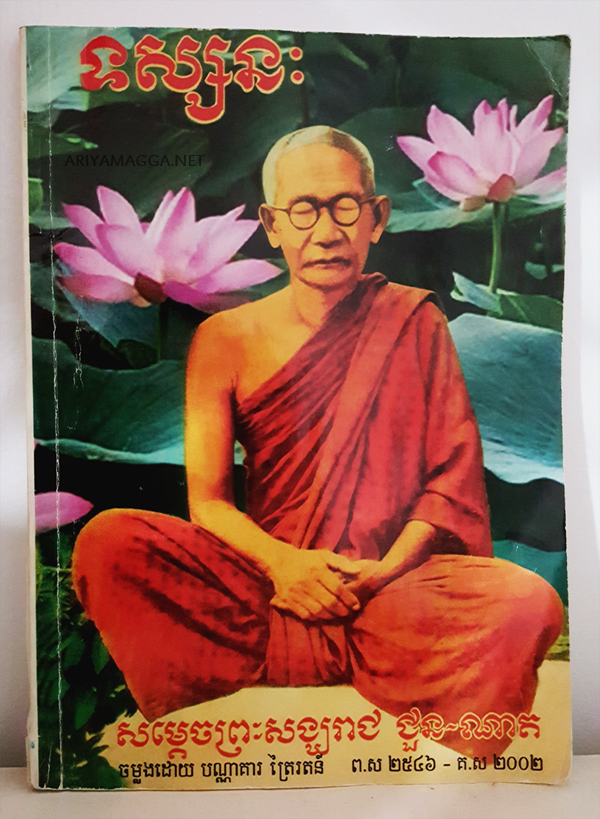
Samdech Chuon Nath

My reflection

វចនានុក្រមសម្តេចសង្ឃ ជួន ណាត
Desktop version

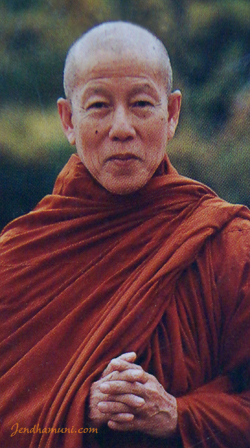
Listen to Khmer literature and Dhamma talk by His Holiness Jotannano Chuon Nath, Supreme Patriarch of Cambodia Buddhism.

Shantidevas’ Bodhisattva vows

My reflection

Should anyone wish to ridicule me and make me an object of jest and scorn why should I possibly care if I have dedicated myself to others?

Let them do as they wish with me so long as it does not harm them. May no one who encounters me ever have an insignificant contact.

Regardless whether those whom I meet respond towards me with anger or faith, may the mere fact of our meeting contribute to the fulfilment of their wishes.

May the slander, harm and all forms of abuse that anyone should direct towards me act as a cause of their enlightenment.

As a solid rock is not shaken by the wind, so the wise are not shaken by blame and praise. As a deep lake is clear and calm, so the wise become tranquil after they listened to the truth…

Good people walk on regardless of what happens to them. Good people do not babble on about their desires. Whether touched by happiness or by sorrow, the wise never appear elated or depressed. ~The Dhammapada

Hermit of Tbeng Mountain

Sachjang Phnom Tbeng សច្ចំ​​ ភ្នំត្បែង is a very long and interesting story written by Mr. Chhea Sokoan, read by Jendhamuni Sos. You can click on the links below to listen. Part 1 | Part 2

Beauty in nature

A beautiful object has no intrinsic quality that is good for the mind, nor an ugly object any intrinsic power to harm it. Beautiful and ugly are just projections of the mind. The ability to cause happiness or suffering is not a property of the outer object itself. For example, the sight of a particular individual can cause happiness to one person and suffering to another. It is the mind that attributes such qualities to the perceived object. — Dilgo Khyentse Rinpoche

Nature is loved by what is best in us. The sky, the mountain, the tree, the animal, give us a delight in and for themselves. — Ralph Waldo Emerson


Our journey for peace
begins today and every day.
Each step is a prayer,
Each step is a meditation,
Each step will build a bridge.

—​​​ Maha Ghosananda