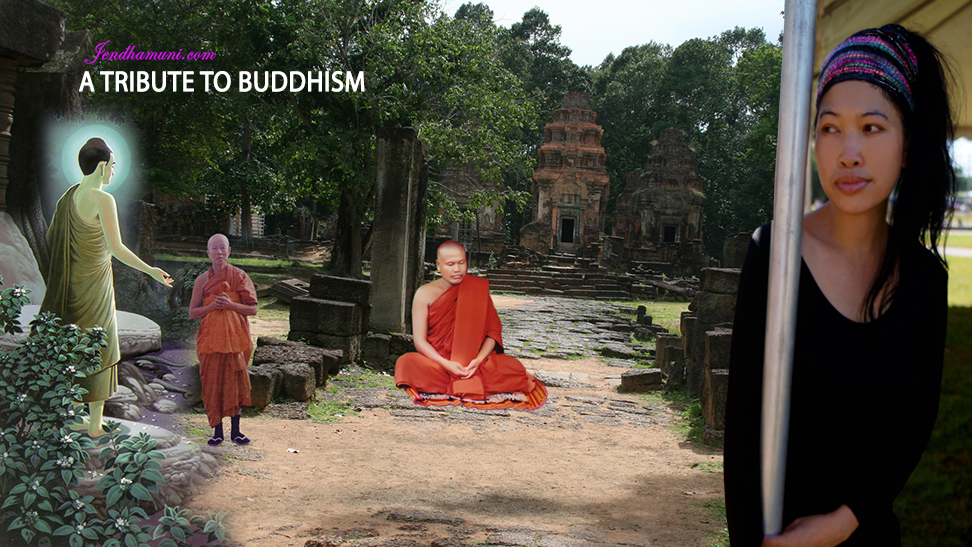
I live my life…
Comment
May 10, 2015
I live my life in widening circles that reach out across the world.
— Rainer Maria Rilke


I live my life in widening circles that reach out across the world.
— Rainer Maria Rilke
Your responsibilities for mutual understanding: Remember that whatever happens, you cannot feel hurt if you know how to maintain a balanced frame of mind. You are hurt only by the mental attitude that you adopt towards yourself and towards others. If you show a loving attitude towards others, you will likewise receive a loving attitude. If you show hate, you will undoubtedly receive hate in return. An angry man breathes out poison, and he hurts himself more than he would hurt others. An angry man who shouts at others will be unable to see things in proper perspective as if smoke got into his eyes. Anyone who is wise not to be angered cannot be hurt. Always remember that no one can hurt you unless you pave the way for others to do so. If you follow the Dhamma (righteous way of life), that Dhamma will protect you.
The Buddha says: ‘Whoever harms a harmless person, one who is pure and guiltless, upon that very fool the evil recoils like fine dust thrown against the wind.’ Dh. If you arouse the anger of others you are responsible for the reaction it produces. By showing your aggressive attitude, you will only fulfil the wishes of your enemies. by Venerable Dr. K. Sri Dhammananda


by Venerable Dr. K. Sri Dhammananda
The uncultured man always blames others; the semi-cultured man blames himself and the fully-cultured man blames neither.’
Whenever any problem arises, we as understanding people should try to find out ourselves where the mistake lies without blaming anybody. If each person could try to correct himself, there would not be any trouble or conflict in this world. But people just do not make the effort to improve their understanding by acting unbiasedly. They prefer to find scapegoats. They look outside of themselves for the source of their troubles because they are reluctant to admit their own weaknesses. Man’s mind is given to so much self-deceit that he will try to find some excuse to justify his action so as to create an illusion that he is blameless.
The Buddha says: ‘Easily seen are other’s faults; hard indeed it is to see one’s own faults.’ Dh. To hide their weaknesses with disclaimers for mistakes, many people adopt an aggressive attitude towards others thinking that by so doing, they can avoid the shameful situation or the cause of the complaint against them. They do not realise that such an attitude would only create more problems for themselves besides giving rise to an unhealthy atmosphere all around. You must admit when you are wrong. Do not follow the ways of the uncultured who always blame others.
The Buddha further says: ‘The fool who does not admit he is a fool, is a real fool. And the fool who admits he is a fool is wise to that extent.’ (Dhammapada) You are responsible for the sorrow that comes to you. When you allow even minor incidents to irk and overturn your mind, that in itself will give rise to your sorrow. You must understand that it is not that something is wrong with the world, but that something is wrong with all of us.
Calmness is not weakness. A calm attitude at all times shows a man of culture. It is not too hard for one to be calm when things are favourable, but to be composed when things are wrong is hard indeed. It is this difficult quality that is worth achieving, for by exercing such calm and control, a man builds strength of character. ~Venerable Dr. K. Sri Dhammananda

Photo credit: Randy Neufeldt
Mothers are the Mothers of all Buddhas, and all Mothers live Prajna Paramita.
Of course, raising kids is rewarding in many ways, and spiritual enlightenment is found through this process, too. But this enlightenment is found when there is no option but to push through the exhaustion, pain, fear and anger that comes with the responsibility of a child.

Once the realization is accepted that even between the closest human beings infinite distances continue, a wonderful living side by side can grow, if they succeed in loving the distance between them which makes it possible for each to see the other whole against the sky. — Rainer Maria Rilke

Dogs have two times as many muscles to move their ears as people. The longer a dog’s nose, the more effective it’s internal cooling system. All dogs are identical in anatomy – 321 bones and 42 permanent teeth. Smaller breeds mature faster than larger breed. Source: Cesar

It takes courage to love, but pain through love is the purifying fire which those who love generously know. We all know people who are so much afraid of pain that they shut themselves up like clams in a shell and, giving out nothing, receive nothing and therefore shrink until life is a mere living death. ~Eleanor Roosevelt

Cats know exactly how to get what they want from their owners. According to a 2009 study, they do it by mimicking babies crying. Cats in want of food will make an urgent cry or meowing sound in the 220 to 520-hertz frequency range while purring at a lower frequency. Babies also cry in this frequency range (usually between 300 and 600 hertz), and humans find it difficult to ignore. Source: Mental Floss

The heart of a mother is a deep abyss at the bottom of which you will always find forgiveness. ~Honore de Balzac
“Hundreds of dewdrops to greet the dawn; Hundreds of lambs in the purple clover; Hundreds of butterflies on the lawn; But only one mother the wide world over.” ~George Cooper

Jendhamuni with little girl — May 8, 2015.


ព្រះត្រៃបិដក ប្រែថា កញ្រ្ចែង ឬ ល្អី ៣ សម្រាប់ដាក់ផ្ទុកពាក្យពេចន៍នៃព្រះសម្មាសម្ពុទ្ធ
The Tipitaka or Pali canon, is the collection of primary Pali language texts which form the doctrinal foundation of Theravada Buddhism. The three divisions of the Tipitaka are: Vinaya Pitaka, Sutta Pitaka, Abhidhamma Pitaka.
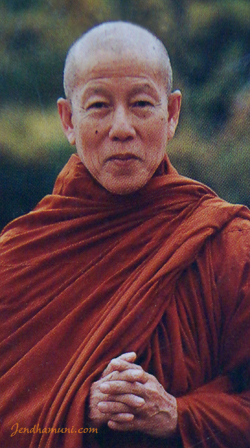
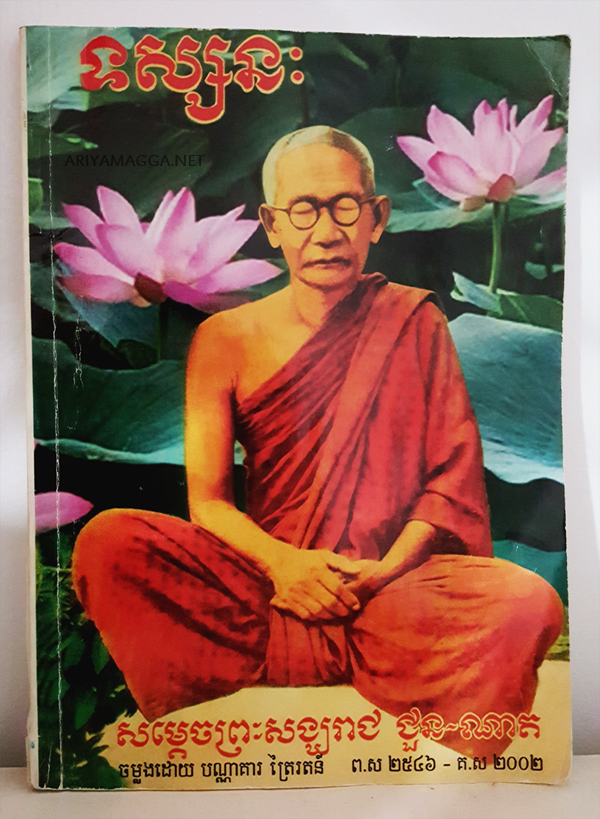
វចនានុក្រមសម្តេចសង្ឃ ជួន ណាត
Desktop version
Listen to Khmer literature and Dhamma talk by His Holiness Jotannano Chuon Nath, Supreme Patriarch of Cambodia Buddhism.

Should anyone wish to ridicule me and make me an object of jest and scorn why should I possibly care if I have dedicated myself to others?
Let them do as they wish with me so long as it does not harm them. May no one who encounters me ever have an insignificant contact.
Regardless whether those whom I meet respond towards me with anger or faith, may the mere fact of our meeting contribute to the fulfilment of their wishes.
May the slander, harm and all forms of abuse that anyone should direct towards me act as a cause of their enlightenment.

As a solid rock is not shaken by the wind, so the wise are not shaken by blame and praise. As a deep lake is clear and calm, so the wise become tranquil after they listened to the truth…
Good people walk on regardless of what happens to them. Good people do not babble on about their desires. Whether touched by happiness or by sorrow, the wise never appear elated or depressed. ~The Dhammapada