No matter what happened…
Comment
May 5, 2015
No matter what happened yesterday, you can be strong today
and even be stronger tomorrow. ~Terry Mark

No matter what happened yesterday, you can be strong today
and even be stronger tomorrow. ~Terry Mark
You will never be old with a twinkle in your eye
with the springtime in your heart as you watch the winter fly.
You will never be old while you have a smile to share
while you wonder at mankind and you find the time to care.
While there’s magic in your world and a special dream to hold
while you still can laugh at life you will never be old.
~Iris Hellelden
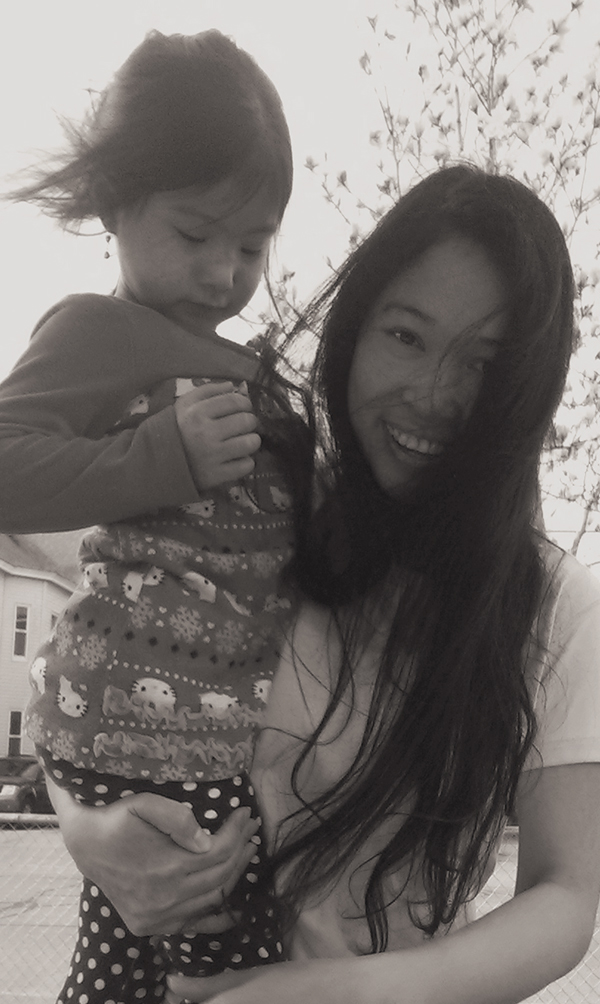
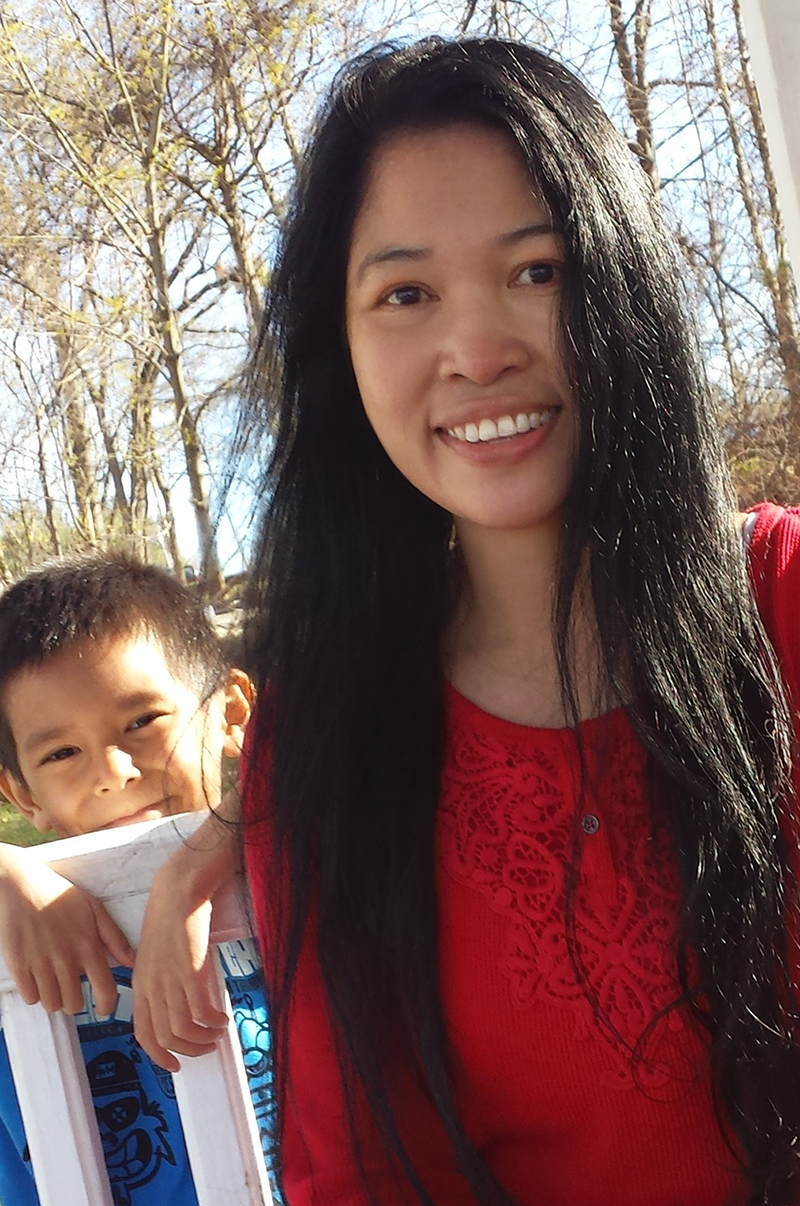
Jendhamuni with little girl — May 4, 015.
The first question, on entering the completed interior of the church of Sagrada Família, is: “Is it really there?” We have been so long accustomed to the idea that Barcelona’s most famous landmark is a permanent ruin, unfinished and unfinishable, that it comes as a shock to find it is now keeping out the weather. Source: Rowan Moore, The Guardian

La Sagrada Familia. Photo credit: School of Vice/KI Media
The expiatory church of La Sagrada Família is a work on a grand scale which was begun on 19 March 1882 from a project by the diocesan architect Francisco de Paula del Villar (1828-1901). At the end of 1883 Gaudí was commissioned to carry on the works, a task which he did not abandon until his death in 1926. Since then different architects have continued the work after his original idea.
The building is in the centre of Barcelona, and over the years it has become one of the most universal signs of identity of the city and the country. It is visited by millions of people every year and many more study its architectural and religious content.
It has always been an expiatory church, which means that since the outset, 133 years ago now, it has been built from donations. Gaudí himself said: “The expiatory church of La Sagrada Família is made by the people and is mirrored in them. It is a work that is in the hands of God and the will of the people.” The building is still going on and could be finished some time in the first third of the 21st century. Source: Sagrada Familia.cat Continue reading
Never forget the three powerful resources you always have available to you:
Love, Prayer and Forgiveness. ~Tinku Razoria

To keep the heart unwrinkled, to be hopeful, kindly, cheerful, reverent…
that is to triumph over old age. ~Thomas Bailey Aldrich
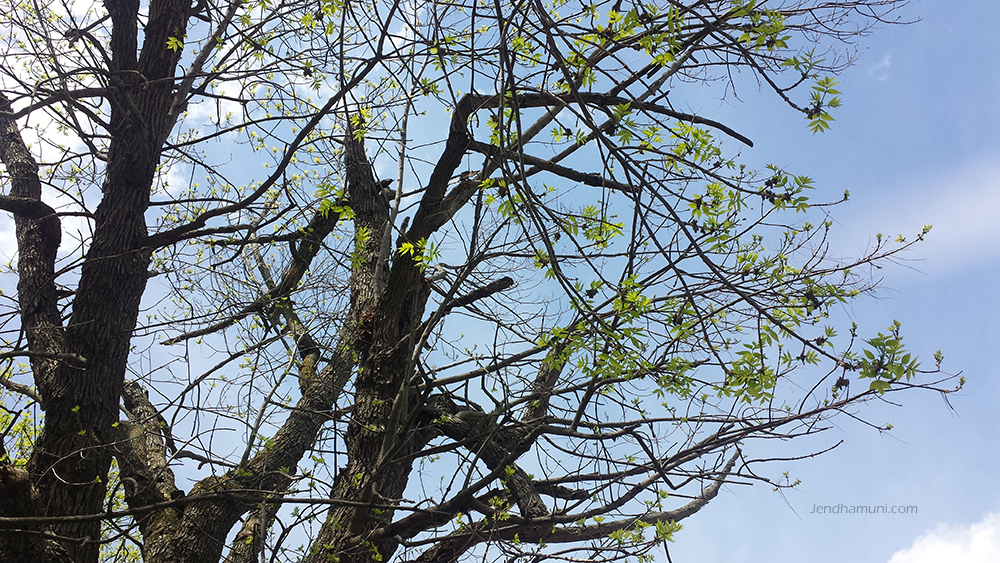
Nature – May 5, 2015.
After each broken heart, we females promise ourselves that we won’t ever love so deeply again. Then we do and we get hurt again. It’s like an endless cycle of hurt and pain until we find the one who won’t break our hearts but show us love. ~Unknown

Cats’ tongues may be the busiest part of their anatomy. They lick their coats not only to keep clean, but to regulate their body temperatures, fluffing up the fur in winter and wetting it down with saliva to stay cool in summer.
As cats’ tongues work, they collect flakes of skin, loose fur, fleas and dirt. Cats swallow this debris — which is usually dissolved by stomach acid. Some cats, especially long-haired or older ones, may ingest too much hair to dissolve, and upchuck hairballs. Giving your cat hairball ointment will help him digest the hair he or she swallows. Source: Animal Planet

Getting Back Up is hard when you talk yourself down.
Frustration towards yourself, feeds itself.
Use uplifting words to motivate yourself.
~Unknown

My life would be beautiful if you were by my side because you have painted a smile in my heart that will last for a lifetime. A smile is a way of writing your thoughts on your face, telling others that they are accepted, liked and appreciated. So here’s a big smile just for you. ~ Unknown
My father would be very happy if he were here. He and my mother bought this flowering tree in 2003.
The pink one died last year. The yellow and white look very healthy.
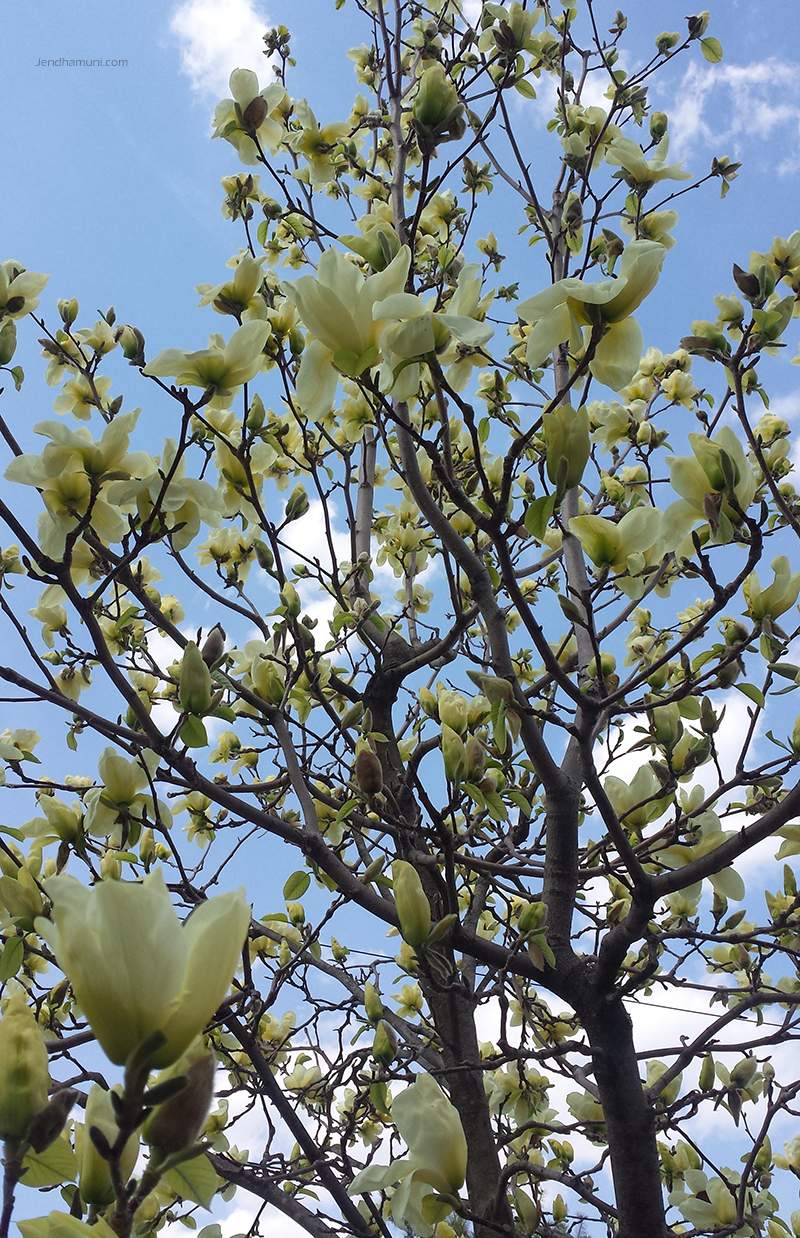
Magnolia blooming — May 4, 2015.
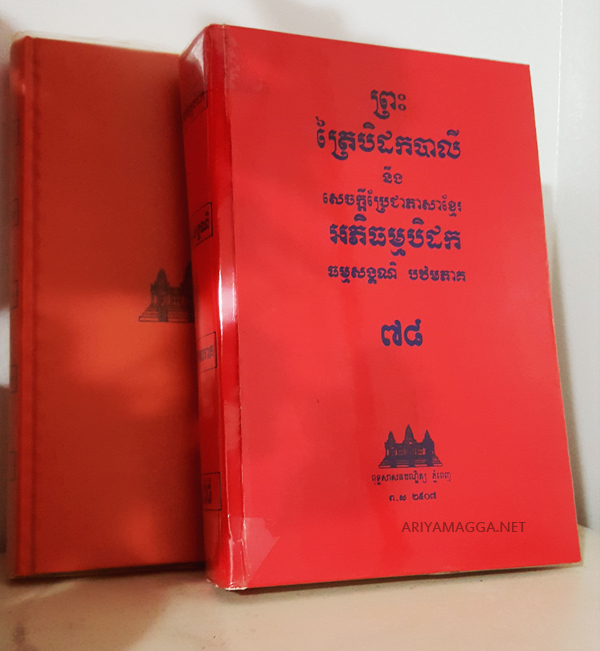
ព្រះត្រៃបិដក ប្រែថា កញ្រ្ចែង ឬ ល្អី ៣ សម្រាប់ដាក់ផ្ទុកពាក្យពេចន៍នៃព្រះសម្មាសម្ពុទ្ធ
The Tipitaka or Pali canon, is the collection of primary Pali language texts which form the doctrinal foundation of Theravada Buddhism. The three divisions of the Tipitaka are: Vinaya Pitaka, Sutta Pitaka, Abhidhamma Pitaka.
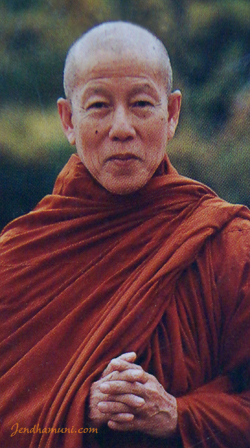
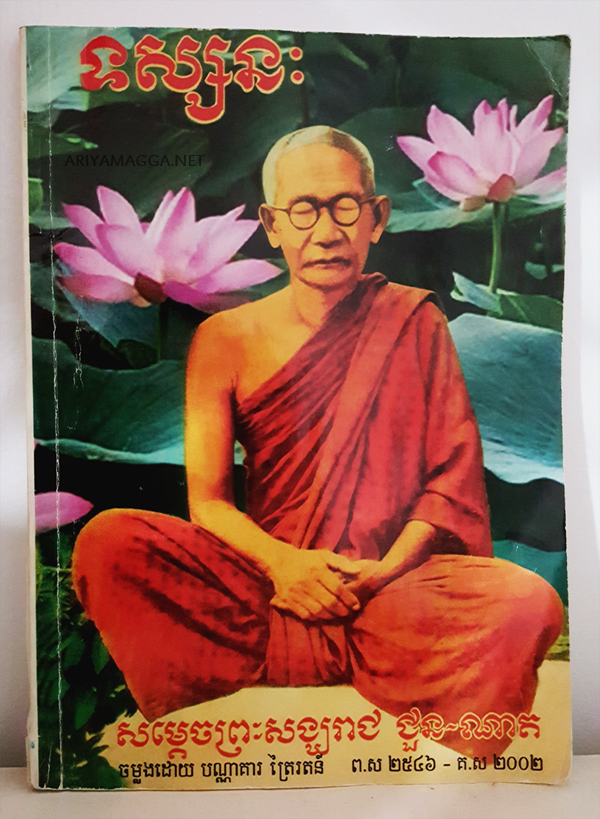
វចនានុក្រមសម្តេចសង្ឃ ជួន ណាត
Desktop version
Listen to Khmer literature and Dhamma talk by His Holiness Jotannano Chuon Nath, Supreme Patriarch of Cambodia Buddhism.

Should anyone wish to ridicule me and make me an object of jest and scorn why should I possibly care if I have dedicated myself to others?
Let them do as they wish with me so long as it does not harm them. May no one who encounters me ever have an insignificant contact.
Regardless whether those whom I meet respond towards me with anger or faith, may the mere fact of our meeting contribute to the fulfilment of their wishes.
May the slander, harm and all forms of abuse that anyone should direct towards me act as a cause of their enlightenment.

As a solid rock is not shaken by the wind, so the wise are not shaken by blame and praise. As a deep lake is clear and calm, so the wise become tranquil after they listened to the truth…
Good people walk on regardless of what happens to them. Good people do not babble on about their desires. Whether touched by happiness or by sorrow, the wise never appear elated or depressed. ~The Dhammapada