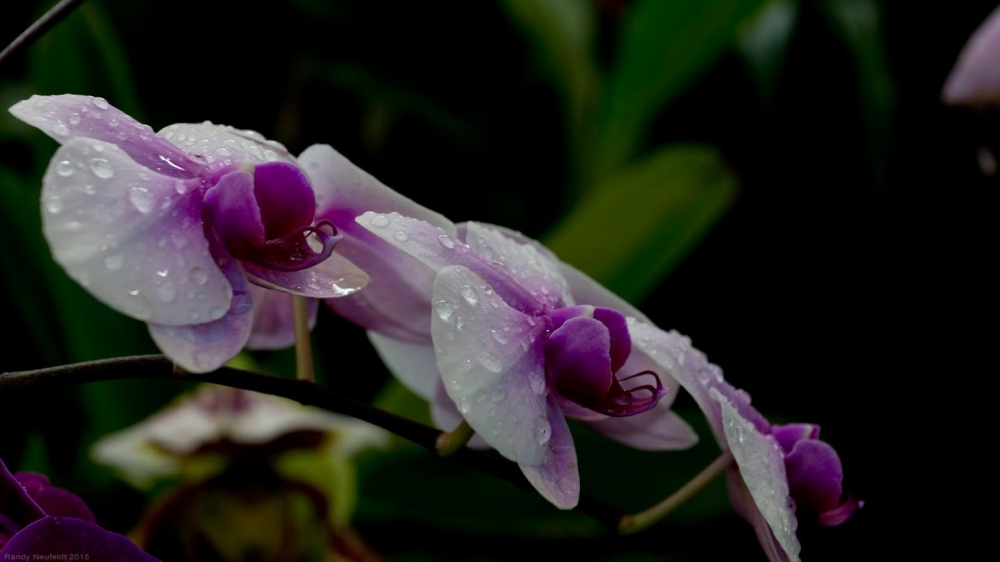
A smile can open a heart faster then a key can open a lock. Smiles are free, so please don’t save them. Brighten the world with your smile. Smiling never consumes electricity but gives more light to your personality. Miss no single opportunity of making some small sacrifice, here by a smiling look, there by a kindly word; always doing the smallest right and doing it all for love. ~Unknown
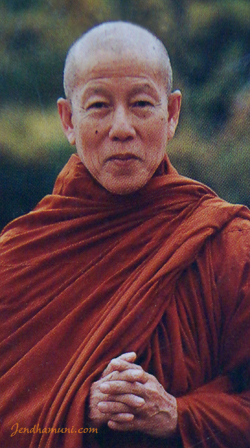
By Ajahn Jagaro
First of all, why should we think about death? Why should we contemplate it? Not only did the Buddha encourage us to speak about death, he encouraged us to actually think about it, contemplate it and reflect on it regularly.
On one occasion the Buddha asked several of the monks, “How often do you contemplate death?”
One of them replied, “Lord, I contemplate death every day.”
“Not good enough,” the Buddha said, and asked another monk, who replied,
“Lord, I contemplate death with each mouthful that I eat during the meal.”
“Better, but not good enough,” said the Buddha, “What about you?”
The third monk said, “Lord, I contemplate death with each inhalation and each exhalation.”
That’s all it takes, the inhalation comes in, it goes out, and one day it won’t come in again – and that’s it. That’s all there is between you and death, just that inhalation, the next inhalation.
Obviously the Buddha considered this a very important part of meditation and training towards becoming more wise and more peaceful. Why is it that this contemplation is encouraged? Because we don’t usually want to think or talk about death. Be it conscious or unconscious, there is a fear of death, a tendency to avoid it, a reluctance to come face to face with this reality.
Death is very much a part of life; it’s just as much a part of life as birth. In fact, the moment of birth implies death. From the moment of conception it is only a matter of time before death must come – to everyone. No one can escape it. That which is born will die. The mind and body which arise at the time of conception develop, grow and mature. In other words, they follow the process of aging. We call it growing up at first, then growing old, but it’s just a single process of maturing, developing, evolving towards the inevitable death. Everyone of you has signed a contract, just as I did. You may not remember signing that contract, but everyone has said, “I agree to die.” Every living being, not only human, not only animal, but in every plane, in every realm, everywhere there is birth, there is the inevitable balance – death.

We are all a little broken, but last time I checked, broken crayons still color the same. ~Unknown
When you feel like you’ve got nothing, remember that we’ve got each other, so just stand tall and keep pushing on, and we can make it to the shore, I promise. ~ The Ready Set
Squirrels are familiar to almost everyone. More than 200 squirrel species live all over the world, with the notable exception of Australia.
The tiniest squirrel is the aptly named African pygmy squirrel—only five inches (thirteen centimeters) long from nose to tail. Others reach sizes shocking to those who are only familiar with common tree squirrels. The Indian giant squirrel is three feet (almost a meter) long.
Like other rodents, squirrels have four front teeth that never stop growing so they don’t wear down from the constant gnawing. Tree squirrels are the types most commonly recognized, often seen gracefully scampering and leaping from branch to branch. Other species are ground squirrels that live in burrow or tunnel systems, where some hibernate during the winter season.
Ground squirrels eat nuts, leaves, roots, seeds, and other plants. They also catch and eat small animals, such as insects and caterpillars. These small mammals must always be wary of predators because they are tasty morsels with few natural defenses, save flight. Sometimes groups of ground squirrels work together to warn each other of approaching danger with a whistling call.
Tree squirrels are commonly seen everywhere from woodlands to city parks. Though they are terrific climbers, these squirrels do come to the ground in search of fare such as nuts, acorns, berries, and flowers. They also eat bark, eggs, or baby birds. Tree sap is a delicacy to some species.
Flying squirrels are a third, adaptable type of squirrel. They live something like birds do, in nests or tree holes, and although they do not fly, they can really move across the sky. Flying squirrels glide, extending their arms and legs and coasting through the air from one tree to another. Flaps of skin connecting limbs to body provide a winglike surface. These gliding leaps can exceed 150 feet (46 meters). Flying squirrels eat nuts and fruit, but also catch insects and even baby birds.
Whether they dwell high in a tree or in an underground burrow, female squirrels typically give birth to two to eight offspring. Babies are blind and totally dependent on their mothers for two or three months. Mothers may have several litters in a year, so most squirrel populations are robust.
Fast Facts
Type: Mammal
Diet: Omnivore
Size: 5 to 36 in (13 to 91 cm)
Weight: 0.5 oz to 4 lbs (14 g to 2 kg)
Group name: Scurry or Dray
Size relative to a tea cup
Source: National Geographic