1. Cherish the time that you are given

    Comment

    Happiness is possible when you are capable of doing the things and being the things that you want to do and to be. When we walk for the sake of walking, when we sit for the sake of sitting, when we drink tea for the sake of drinking tea, we don’t do it for something or someone else. These things can be very enjoyable. That is the practice of aimlessness. While you do that, you heal yourself and you help heal the world. Awakening means to see that truth—that you want to know how to enjoy, how to live deeply, in a very simple way. You don’t want to waste your time anymore. Cherish the time that you are given. ~ Thich Nhat Hanh

  2. Meaning of Red Zinnias

    Comment

    Jendhamuni at home on September 21, 2025.

    Like many red flowers, red zinnias represent love, passion, and strong emotional bonds. They can symbolize romantic love or strong relationships between family or friends. ~ The Bouqs

  3. Make your heart like a lake

    Comment

    Make your heart like a lake with a calm, still surface and great depths of kindness. ~ Lao Tzu

    A lake is a landscape’s most beautiful and expressive feature. It is Earth’s eye; looking into which the beholder measures the depth of his own nature. ~ Henry David Thoreau

  4. The Story of a Lay-Disciple

    Comment

    Verse 203: Hunger is the greatest ailment, khandhas are the greatest ill. The wise, knowing them as they really are, realize Nibbana, the greatest bliss.

    The Story of a Lay-Disciple

    The Buddha uttered Verse (203) of this book at the village of Alavi, with reference to a lay-disciple.

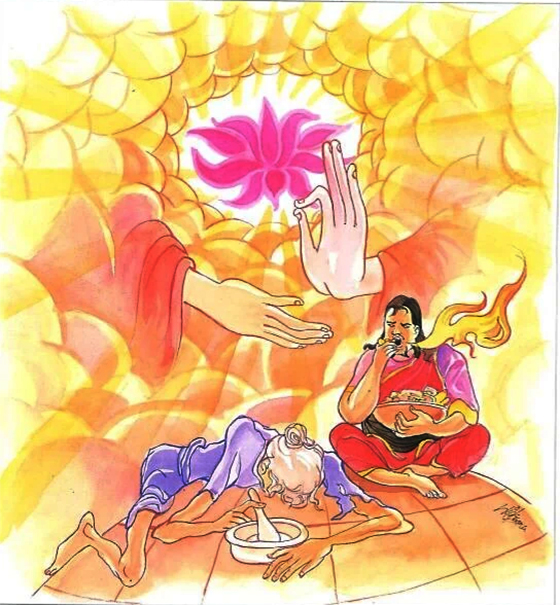
    One day, the Buddha saw in his vision that a poor man would attain Sotapatti Fruition at the village of Alavi. So he went to that village, which was thirty yojanas away from Savatthi. It so happened that on that very day the man lost his ox. So, he had to be looking for the ox. Meanwhile, alms-food was being offered to the Buddha and his disciples in a house in the village of Alavi. After the meal, people got ready to listen to the Buddha’s discourse; but the Buddha waited for the young man. Finally, having found his ox, the man came running to the house where the Buddha was. The man was tired and hungry, so the Buddha directed the donors to offer food to him. Only when the man had been fed, the Buddha gave a discourse, expounding the Dhamma step by step and finally leading to the Four Noble Truths. The lay-disciple attained Sotapatti Fruition at the end of the discourse.

    Afterwards, the Buddha and his disciples returned to the Jetavana monastery. On the way, the bhikkhus remarked that it was so surprising that the Buddha should have directed those people to feed the young man before he gave the discourse. On hearing their remarks, the Buddha said, “Bhikkhus! What you said is true, but you do not understand that I have come here, all this distance of thirty yojanas, because I knew that he was in a fitting condition to take in the Dhamma. If he were feeling very hungry, the pangs of hunger might have prevented him from taking in the Dhamma fully. That man had been out looking for his ox the whole morning, and was very tired and also very hungry. Bhikkhus, after all, there is no ailment which is so difficult to bear as hunger.” Continue reading

  5. Dharma is a universal medicine

    Comment

    The dharma is a universal medicine. ~ Jack Kornfield

    If one looks into the nature of thoughts, then these dissolve into themselves and luminosity arises, the inherent luminosity and awareness of mind itself. These two aspects of mind, emptiness and luminosity are inseparable from each other and are actually one. This is the nature of mind. Looking into the nature of mind is nothing other than experiencing the present moment of awareness and seeing that there is no mind outside this present moment of awareness. ~ 3rd Jamgon Kongtrul Rinpoche

  6. The Story of a Young Bride

    Comment

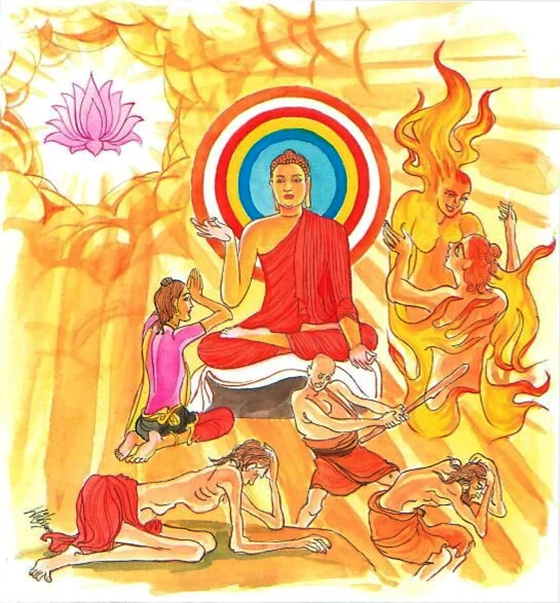
    Verse 202: There is no fire like passion; there is no evil like hatred; there is no ill like (the burden of) khandhas; there is no bliss that surpasses the Perfect Peace (i.e., Nibbana).

    The Story of a Young Bride

    While residing at the Jetavana monastery, the Buddha uttered Verse (202) of this book at the house of a lay-disciple, with reference to a young bride.

    On the day a young woman was to be wedded to a young man, the parents of the bride invited the Buddha and eighty of his disciples for alms-food. Seeing the girl as she moved about the house, helping with the offering of alms-food, the bridegroom was very much excited, and he could hardly attend to the needs of the Buddha and the other bhikkhus. The Buddha knew exactly how the young bridegroom was feeling and also that time was ripe for both the bride and the bridegroom to attain Sotapatti Fruition.

    By his supernormal power, the Buddha willed that the bride would not be visible to the bridegroom. When the young man could no longer see the young woman, he could pay full attention to the Buddha, and his love and respect for the Buddha grew stronger in him. Then the Buddha said to the young man, “O young man, there is no fire like the fire of passion; there is no evil like anger and hatred; there is no ill like the burden of the five aggregates of existence (khandhas); there is no bliss like the Perfect Peace of Nibbana.” Continue reading

  7. Free your heart

    Comment

    Free your heart. Travel like the moon among the stars. ~ Buddha

    Mature Spirituality is not based on seeking perfection, on achieving some imaginary sense of purity. It is based on the capacity to let go and to love. To open the heart to all that is. Without ideals heart can turn the sufferings and imperfections we encounter into the path of compassion. In this nonrealistic practice the divine can shine through even in acts of ignorance and fear, inviting us to wonder at the mystery of all that is. We can protect one another, yet in this there is no judgement, no blame. For we seek not to perfect the world perfect our love for what is on this earth. ― Jack Kornfield

  8. Wisdom says we are nothing

    2

    Wisdom says we are nothing. Love says we are everything. Between these two our life flows. – Jack Kornfield

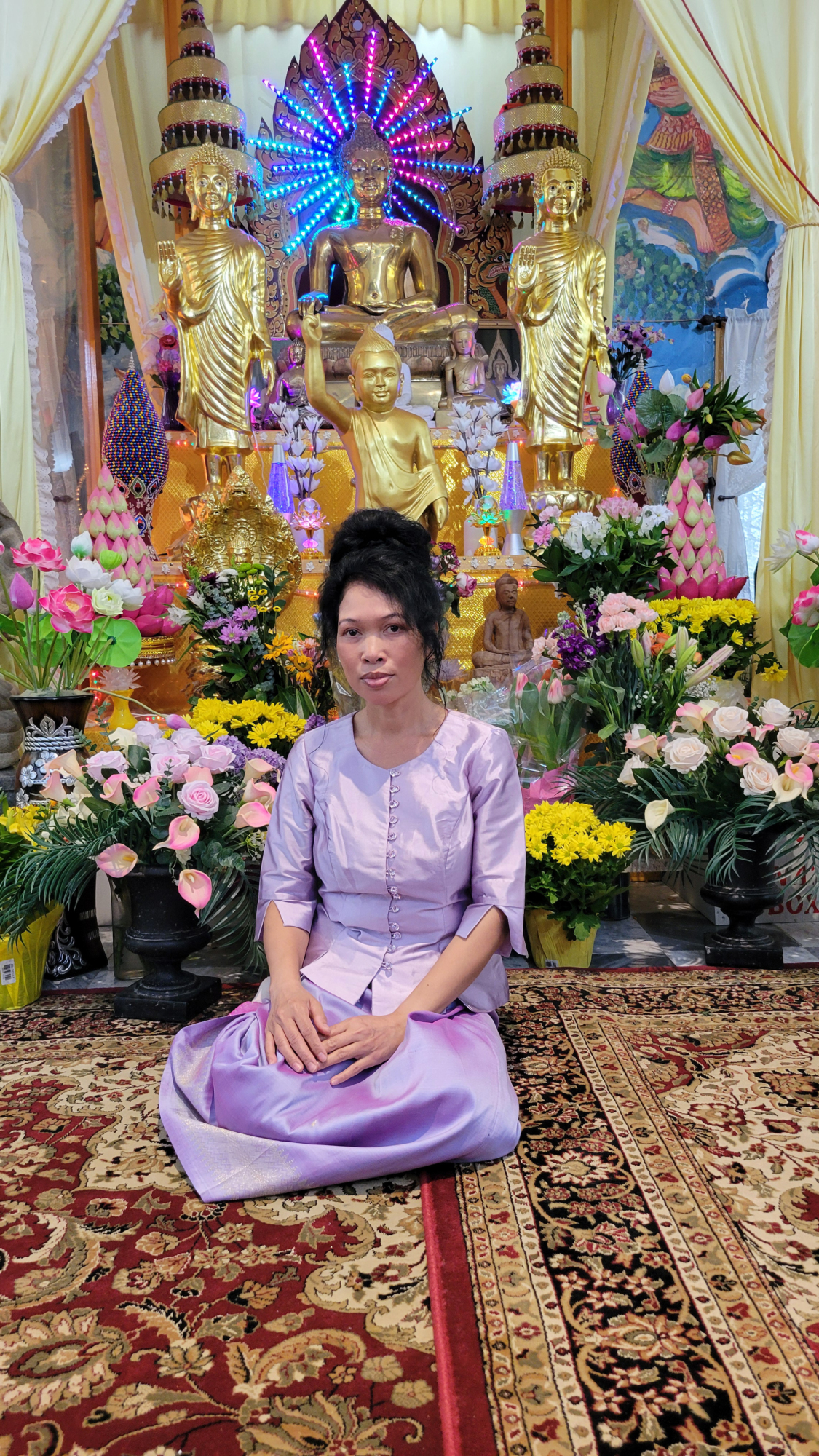
    Jendhamuni at Wat Kiryvongsa Bopharam on April 13, 2025.


  9. Teachings that were right for different individuals

    4

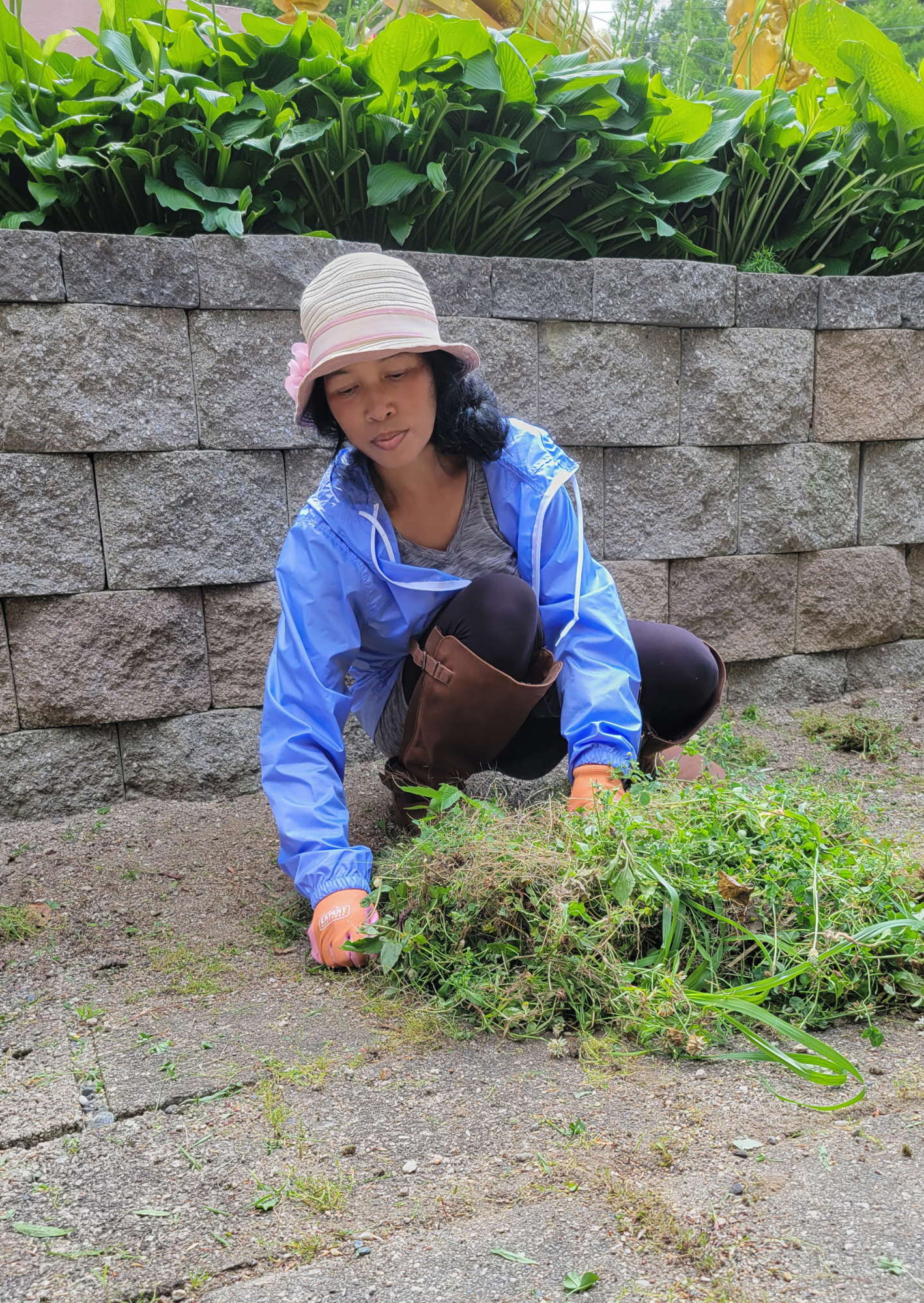
    Wat Kiryvongsa Bopharam, the Peace Meditation Center on November 10, 2024.

    The Buddha realized that different beings had various capacities, so out of his great compassion and skillful means, he gave teachings that were right for different individuals. Although the essence of the teachings is to simply let be in recognition of ones own nature, the Buddha taught a lot of complex instructions to satisfy people on all different levels. Another reason why there are the nine vehicles is because people couldnt leave well enough alone. It seems to be human nature to love complications, to want to build up a lot of stuff. Later on, of course, they must allow it to fall into pieces again. ~  Tulku Urgyen Rinpoche
    Continue reading


Live & Die for Buddhism

candle

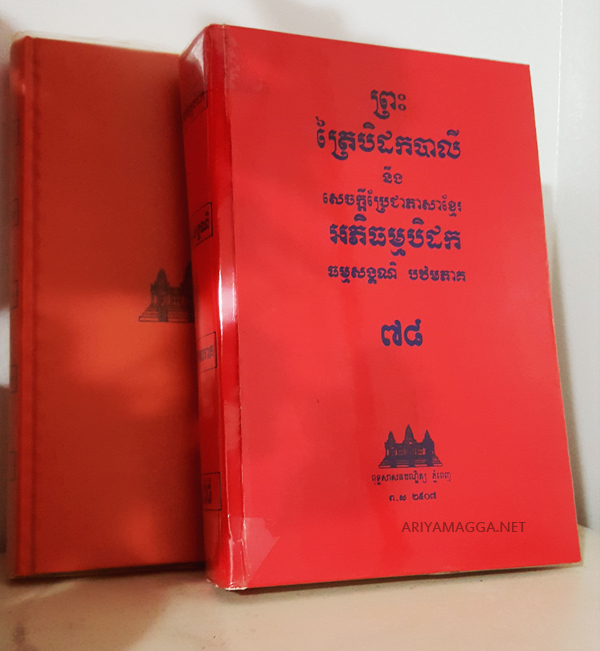
Khmer Tipitaka 1 – 110

 ព្រះត្រៃបិដក

ព្រះត្រៃបិដក ប្រែថា កញ្រ្ចែង ឬ ល្អី​ ៣ សម្រាប់ដាក់ផ្ទុកពាក្យពេចន៍នៃព្រះសម្មាសម្ពុទ្ធ

The Tipitaka or Pali canon, is the collection of primary Pali language texts which form the doctrinal foundation of Theravada Buddhism. The three divisions of the Tipitaka are: Vinaya Pitaka, Sutta Pitaka, Abhidhamma Pitaka.

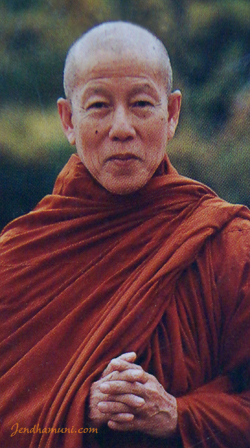
Maha Ghosananda

Maha Ghosananda

Supreme Patriarch of Cambodian Buddhism (5/23/1913 - 3/12/07). Forever in my heart...

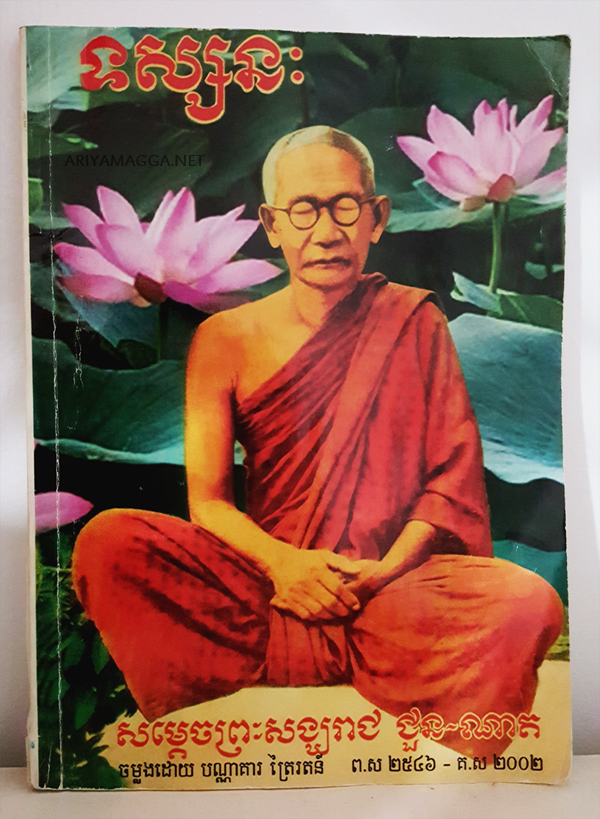
Samdech Chuon Nath

My reflection

វចនានុក្រមសម្តេចសង្ឃ ជួន ណាត
Desktop version

Listen to Khmer literature and Dhamma talk by His Holiness Jotannano Chuon Nath, Supreme Patriarch of Cambodia Buddhism.

Shantidevas’ Bodhisattva vows

My reflection

Should anyone wish to ridicule me and make me an object of jest and scorn why should I possibly care if I have dedicated myself to others?

Let them do as they wish with me so long as it does not harm them. May no one who encounters me ever have an insignificant contact.

Regardless whether those whom I meet respond towards me with anger or faith, may the mere fact of our meeting contribute to the fulfilment of their wishes.

May the slander, harm and all forms of abuse that anyone should direct towards me act as a cause of their enlightenment.

As a solid rock is not shaken by the wind, so the wise are not shaken by blame and praise. As a deep lake is clear and calm, so the wise become tranquil after they listened to the truth…

Good people walk on regardless of what happens to them. Good people do not babble on about their desires. Whether touched by happiness or by sorrow, the wise never appear elated or depressed. ~The Dhammapada

Hermit of Tbeng Mountain

Sachjang Phnom Tbeng សច្ចំ​​ ភ្នំត្បែង is a very long and interesting story written by Mr. Chhea Sokoan, read by Jendhamuni Sos. You can click on the links below to listen. Part 1 | Part 2

Beauty in nature

A beautiful object has no intrinsic quality that is good for the mind, nor an ugly object any intrinsic power to harm it. Beautiful and ugly are just projections of the mind. The ability to cause happiness or suffering is not a property of the outer object itself. For example, the sight of a particular individual can cause happiness to one person and suffering to another. It is the mind that attributes such qualities to the perceived object. — Dilgo Khyentse Rinpoche

Nature is loved by what is best in us. The sky, the mountain, the tree, the animal, give us a delight in and for themselves. — Ralph Waldo Emerson


Our journey for peace
begins today and every day.
Each step is a prayer,
Each step is a meditation,
Each step will build a bridge.

—​​​ Maha Ghosananda