1. The loom of life

    Comment

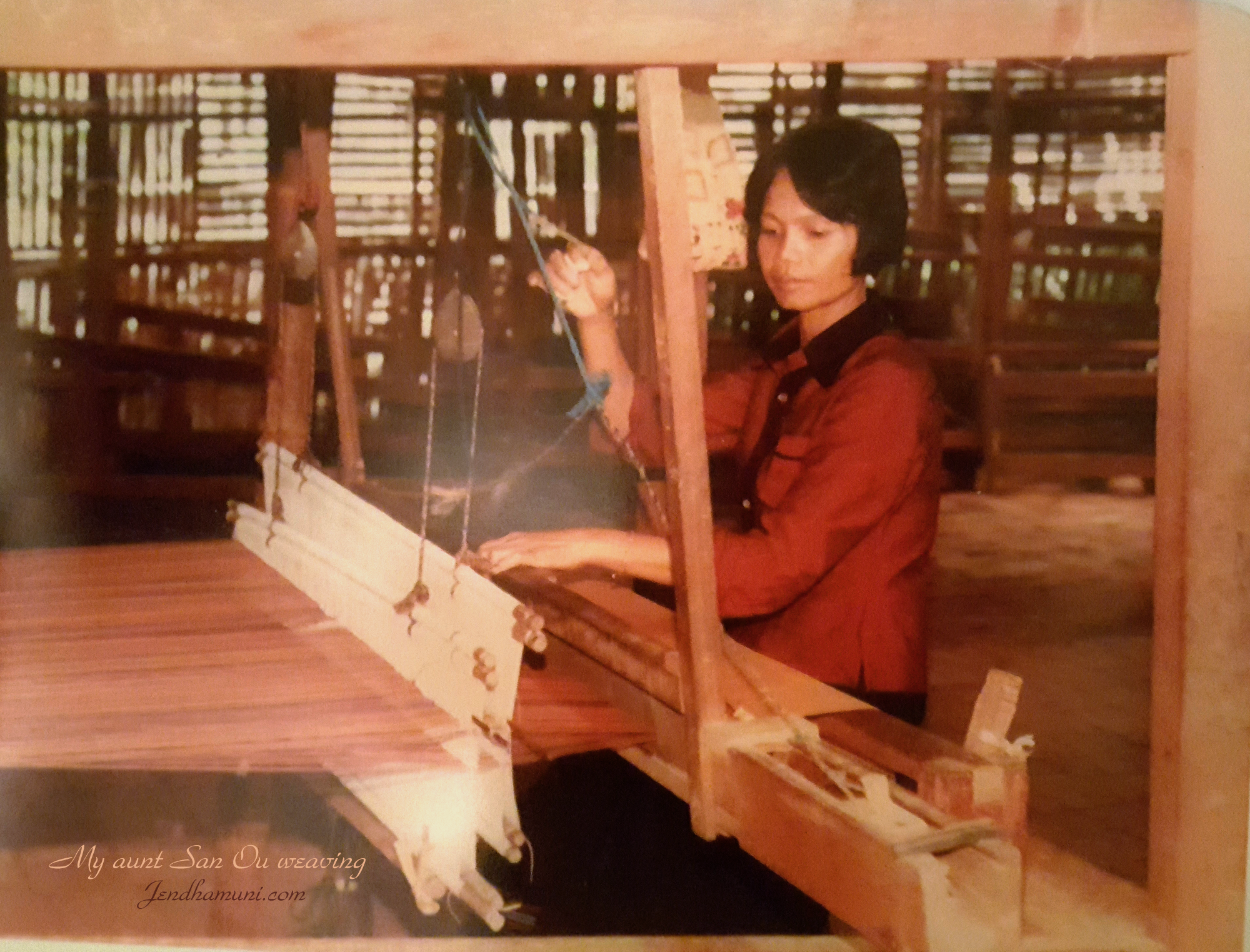
    We sleep, but the loom of life never stops, and the pattern which was weaving when the sun went down is weaving when it comes up in the morning. ~ Henry Ward Beecher

    Aunty San Ou weaving in Kao-I-Dang

  2. Thinking too much

    1

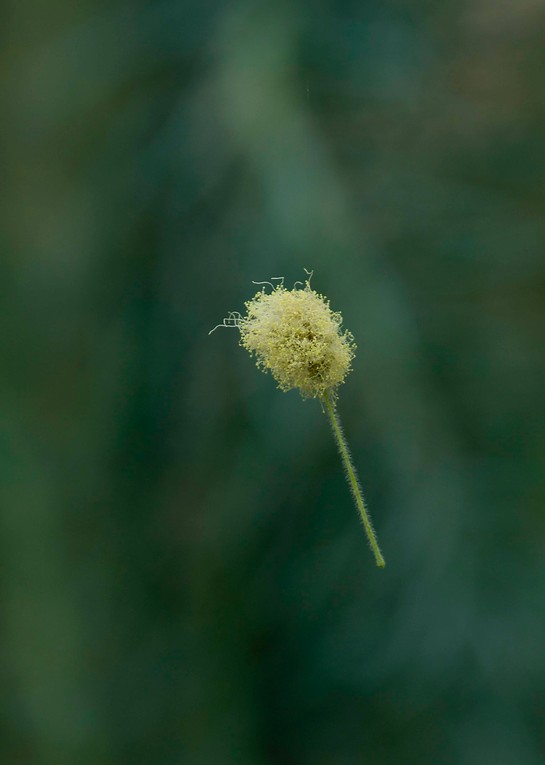
    We are dying from overthinking. We are slowly killing ourselves by thinking about everything. Think. Think. Think. You can never trust the human mind anyway. It’s a death trap. ~ Anthony Hopkins

    Hanging by a Thread. Photo credit: Randy Neufeldt


  3. Waves arise naturally

    2

    Waves arise naturally on the surface of the vast ocean without troubling its depth. This meditation is an invitation to make your mind like the vast ocean. –Jack Kornfield

  4. You must learn to let go, release the stress

    3

    The truth is, unless you let go, unless you forgive yourself, unless you forgive the situation, unless you realize that the situation is over, you cannot move forward. Letting go means to come to the realization that some people are a part of your history, but not a part of your destiny. You must learn to let go. Release the stress. You were never in control anyway. ~Steve Maraboli

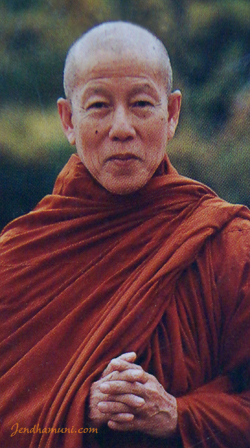
    Jendhamuni near the wall

  5. Superior man seeks …

    Comment

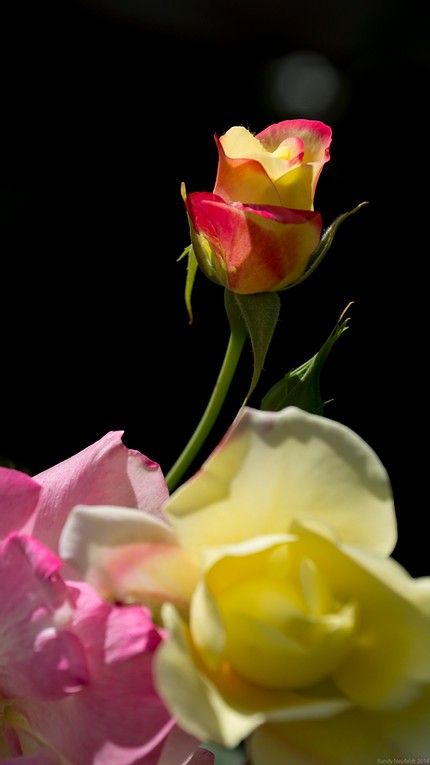
    What the superior man seeks is in himself; what the small man seeks is in others. ~Confucius

    Roses – Heads Up! Photo credit: Randy Neufeldt

  6. In the presence of the wise

    Comment

    Prefer to be defeated in the presence of the wise than to excel among fools. ― Dōgen Zenji

    Autumn in Rundle Park. Photo credit: Randy Neufeldt

  7. Precious as a pearl

    Comment

    Real friendship, like real poetry, is extremely rare — and precious as a pearl. – Tahar Ben Jelloun

    Thank you so much for one of the most precious photos, Randy Neufeldt! ~ Jendhamuni

    Frosty Morning North of Edmonton. Photo credit: Randy Neufeldt

  8. The essence of true friendship

    3

    A best friend is someone who makes you laugh even when you think you’ll never smile again. – Unknown

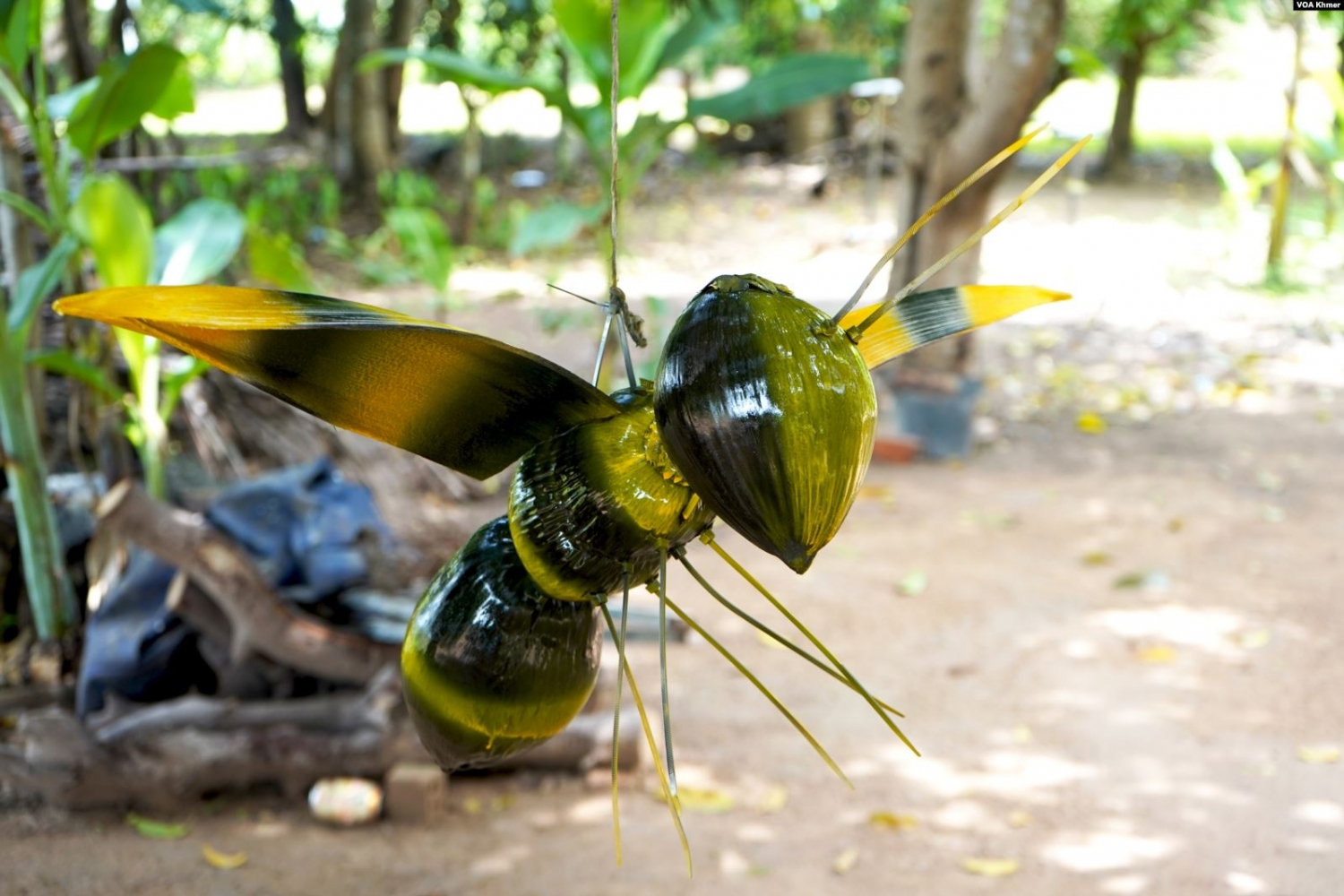
    VOA photo

  9. The Story of Ayuvaddhanakumara

    Comment

    Verse 109: For one who always respects and honours those who are older and more virtuous, four benefits, viz., longevity, beauty, happiness and strength, will increase.

    The Story of Ayuvaddhanakumara

    While residing in a village monastery near Dighalanghika, the Buddha uttered Verse (109) of this book, with reference to Ayuvaddhanakumara.

    Once, there were two hermits who fixed together practising religious austerities (tapacaranam) for forty eight years. Later, one of the two left the hermit life and got married. After a son was born, the family visited the old hermit and paid obeisance to him. To the parents the hermit said, “May you live long,” but he said nothing to the child. The parents were puzzled and asked the hermit the reason for his silence. The hermit told them that the child would live only seven more days and that he did not know how to prevent his death, but Gotama Buddha might know how to do it.

    So the parents took the child to the Buddha; when they paid obeisance to the Buddha, he also said, “May you live long” to the parents only and not to the child. The Buddha also predicted the impending death of the child. To prevent his death, the parents were told to build a pavilion at the entrance to the house, and put the child on a couch in the pavilion. Then some bhikkhus were sent there to recite the parittas* for seven days. On the seventh day the Buddha himself came to that pavilion; the devas from all over the universe also came. At that time the ogre Avaruddhaka was at the entrance, waiting for a chance to take the child away. But as more powerful devas arrived the ogre had to step back and make room for them so that he had to stay at a place two yojanas away from the child. That whole night, recitation of parittas continued, thus protecting the child. The next day, the child was taken up from the couch and made to pay obeisance to the Buddha. This time, the Buddha said, “May you live long” to the child. When asked how long the child would live, the Buddha replied that he would live up to one hundred and twenty years. So the child was named Ayuvaddhana.

    When the child grew up, he went about the country with a company of five hundred fellow devotees. One day, they came to the Jetavana monastery, and the bhikkhus, recognizing him, asked the Buddha, “For beings, is there any means of gaining longevity?” To this question the Buddha answered, “By respecting and honouring the elders and those who are wise and virtuous, one would gain not only longevity, but also beauty, happiness and strength.”

    Then the Buddha spoke in verse as follows:

    Verse 109: For one who always respects and honours those who are older and more virtuous, four benefits, viz., longevity, beauty, happiness and strength, will increase.
    At the end of the discourse, Ayuvaddhana and his five hundred companions attained Sotapatti Fruition.

    *Parittas: religious stanzas that are usually recited for protection against harmful influences.

    Dhammapada Verse 109
    Ayuvaddhanakumara Vatthu

    Abhivadanasilissa
    niccam vuddhapacayino
    cattaro dhamma vaddhanti
    ayu vanno sukham balam.

    Source: Tipitaka

  10. Within each of us

    Comment

    Within each of us there is a silence as vast as the universe. We long for it. We can return to it. — Jack Kornfield


Live & Die for Buddhism

candle

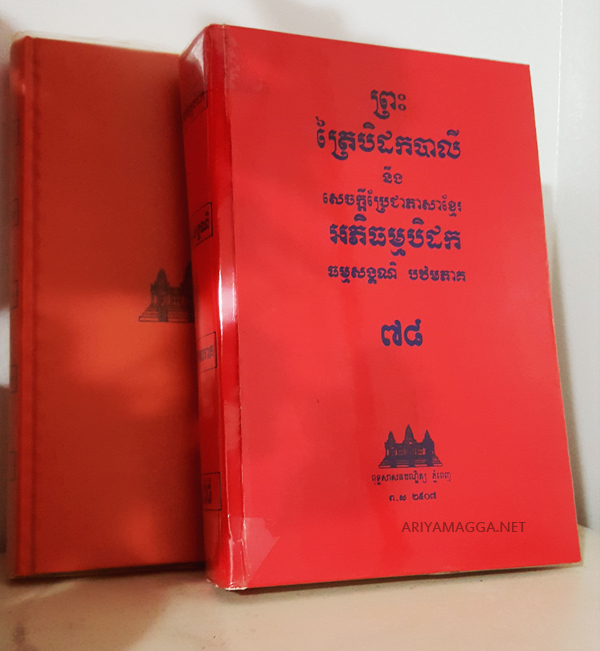
Khmer Tipitaka 1 – 110

 ព្រះត្រៃបិដក

ព្រះត្រៃបិដក ប្រែថា កញ្រ្ចែង ឬ ល្អី​ ៣ សម្រាប់ដាក់ផ្ទុកពាក្យពេចន៍នៃព្រះសម្មាសម្ពុទ្ធ

The Tipitaka or Pali canon, is the collection of primary Pali language texts which form the doctrinal foundation of Theravada Buddhism. The three divisions of the Tipitaka are: Vinaya Pitaka, Sutta Pitaka, Abhidhamma Pitaka.

Maha Ghosananda

Maha Ghosananda

Supreme Patriarch of Cambodian Buddhism (5/23/1913 - 3/12/07). Forever in my heart...

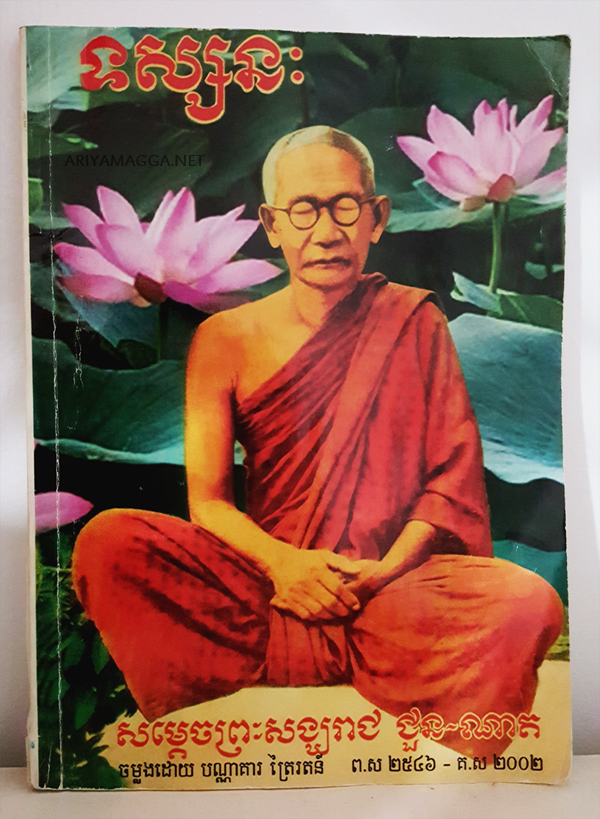
Samdech Chuon Nath

My reflection

វចនានុក្រមសម្តេចសង្ឃ ជួន ណាត
Desktop version

Listen to Khmer literature and Dhamma talk by His Holiness Jotannano Chuon Nath, Supreme Patriarch of Cambodia Buddhism.

Shantidevas’ Bodhisattva vows

My reflection

Should anyone wish to ridicule me and make me an object of jest and scorn why should I possibly care if I have dedicated myself to others?

Let them do as they wish with me so long as it does not harm them. May no one who encounters me ever have an insignificant contact.

Regardless whether those whom I meet respond towards me with anger or faith, may the mere fact of our meeting contribute to the fulfilment of their wishes.

May the slander, harm and all forms of abuse that anyone should direct towards me act as a cause of their enlightenment.

As a solid rock is not shaken by the wind, so the wise are not shaken by blame and praise. As a deep lake is clear and calm, so the wise become tranquil after they listened to the truth…

Good people walk on regardless of what happens to them. Good people do not babble on about their desires. Whether touched by happiness or by sorrow, the wise never appear elated or depressed. ~The Dhammapada

Hermit of Tbeng Mountain

Sachjang Phnom Tbeng សច្ចំ​​ ភ្នំត្បែង is a very long and interesting story written by Mr. Chhea Sokoan, read by Jendhamuni Sos. You can click on the links below to listen. Part 1 | Part 2

Beauty in nature

A beautiful object has no intrinsic quality that is good for the mind, nor an ugly object any intrinsic power to harm it. Beautiful and ugly are just projections of the mind. The ability to cause happiness or suffering is not a property of the outer object itself. For example, the sight of a particular individual can cause happiness to one person and suffering to another. It is the mind that attributes such qualities to the perceived object. — Dilgo Khyentse Rinpoche

Nature is loved by what is best in us. The sky, the mountain, the tree, the animal, give us a delight in and for themselves. — Ralph Waldo Emerson


Our journey for peace
begins today and every day.
Each step is a prayer,
Each step is a meditation,
Each step will build a bridge.

—​​​ Maha Ghosananda