May 30, 2024 — My beloved Grandma passed away 39 years ago today…

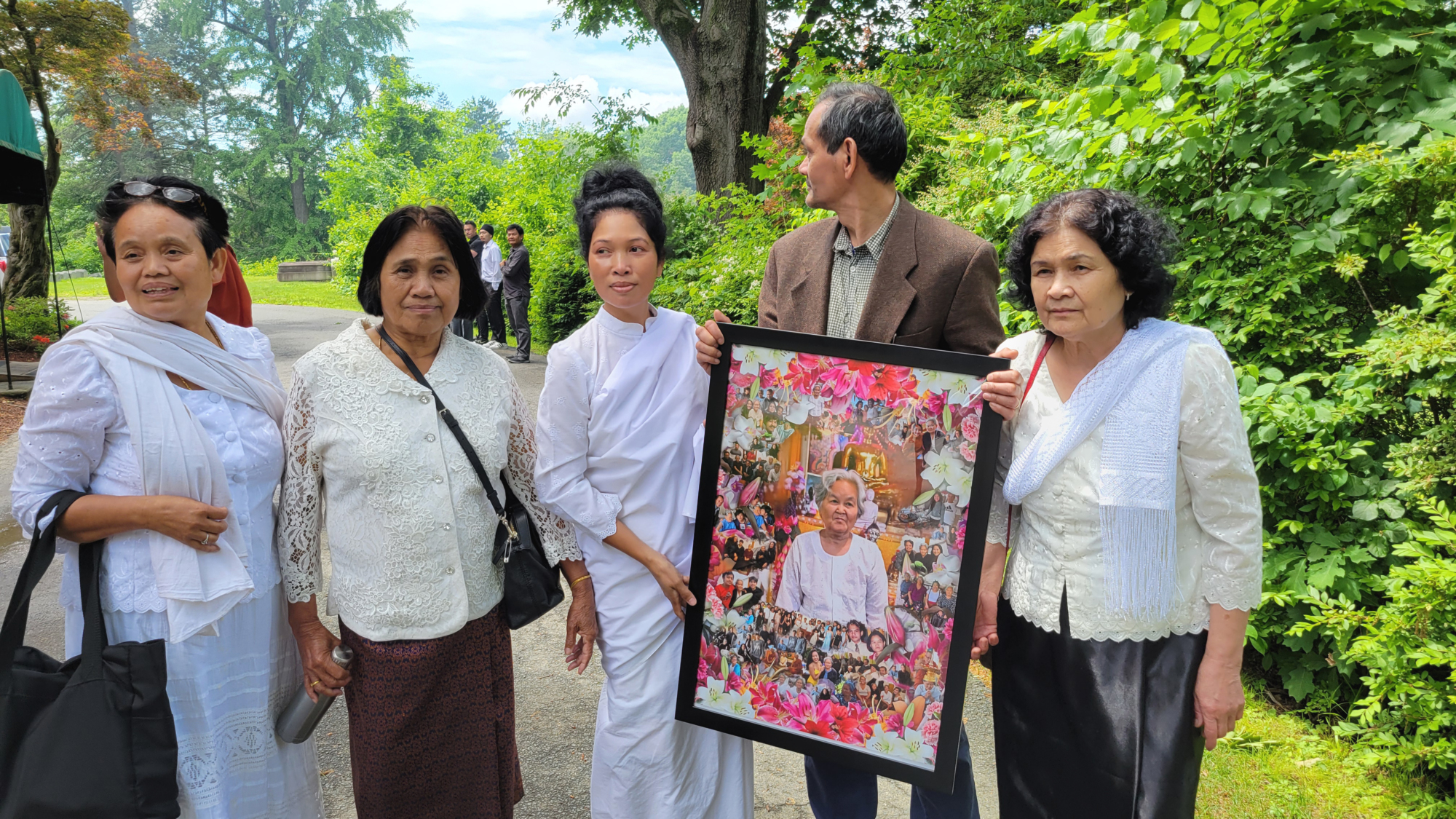
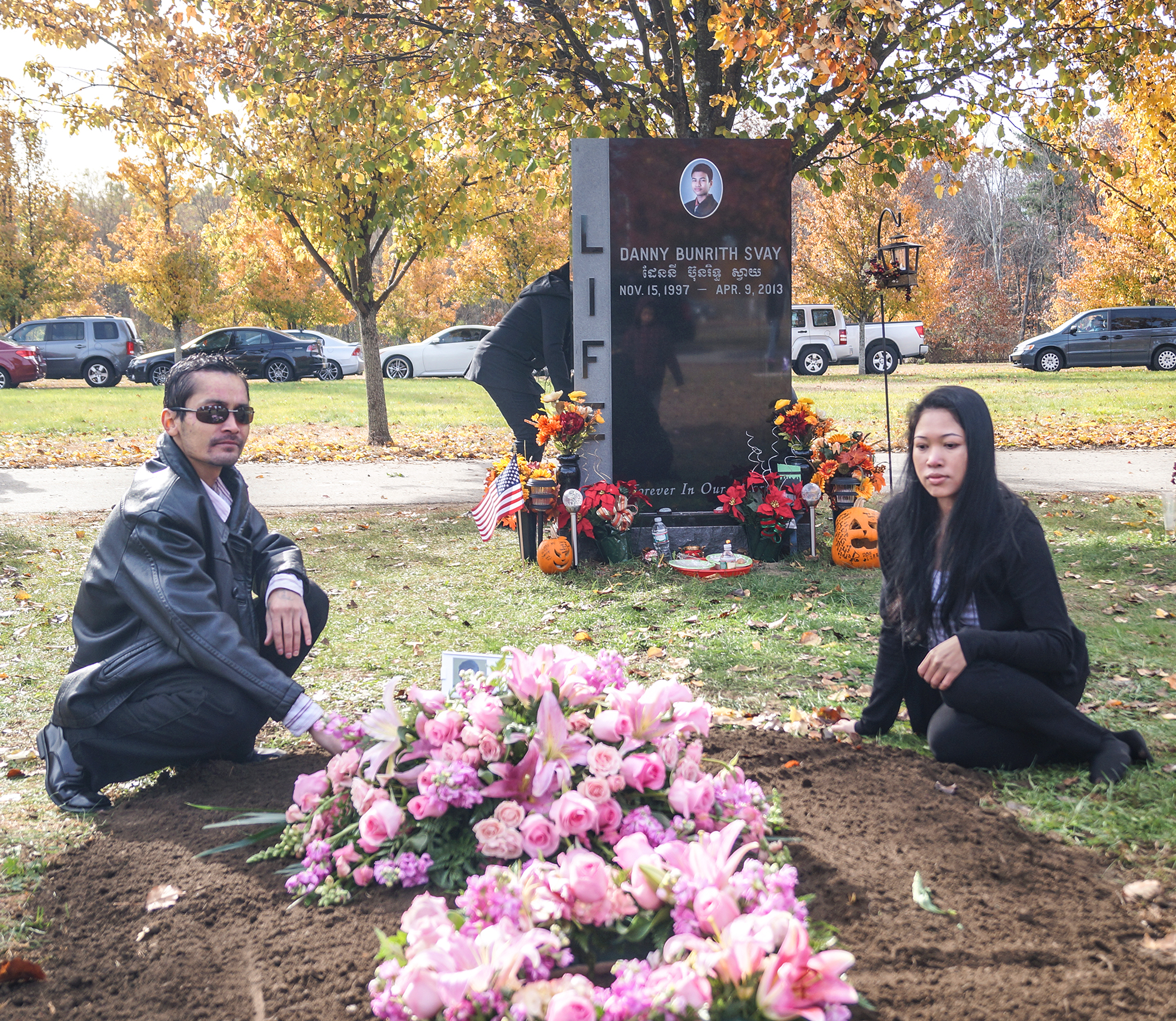
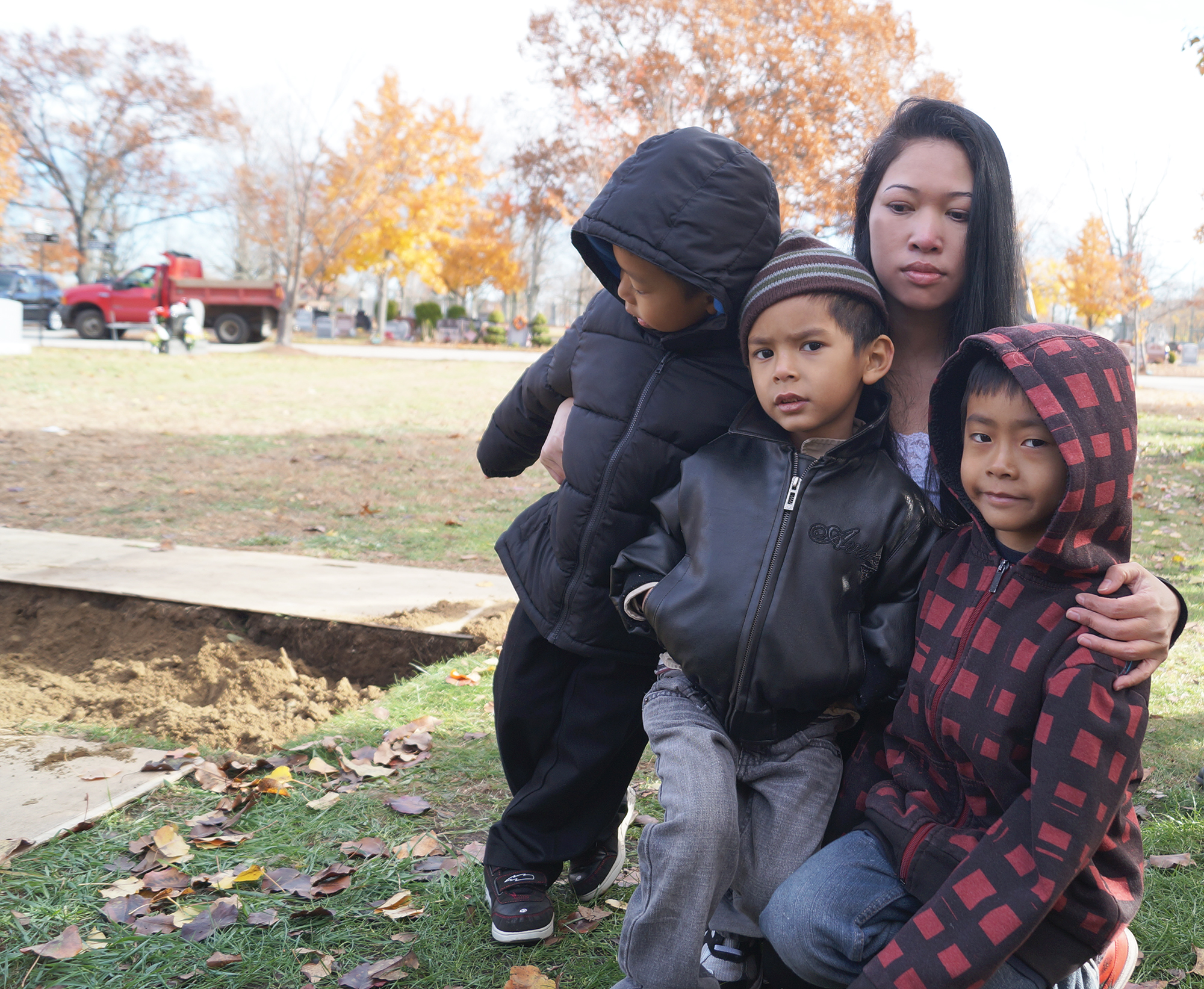
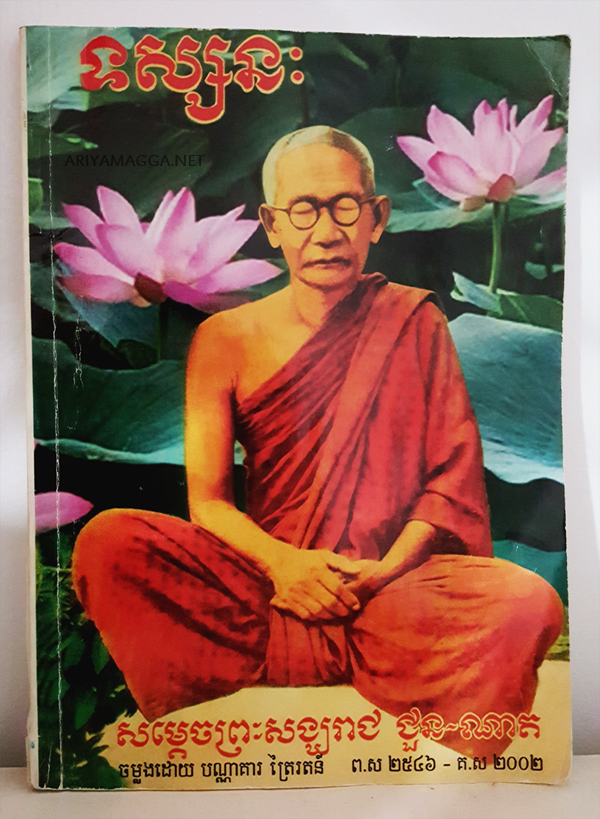
Funeral service for Upāsikā Yath PoK at the Springfield Crematory, Springfield, Massachusetts on May 30, 2024.
And… today, is the funeral service for our beloved Upāsikā Yath PoK, meditation practitioner and loyal supporter at our Peace Meditation Center. Upāsikā Yath, age 78, passed away in Easthampton, Massachusetts on May 20, 2024 at 6:29 p.m. (2 days prior to Visakha Puja). Continue reading

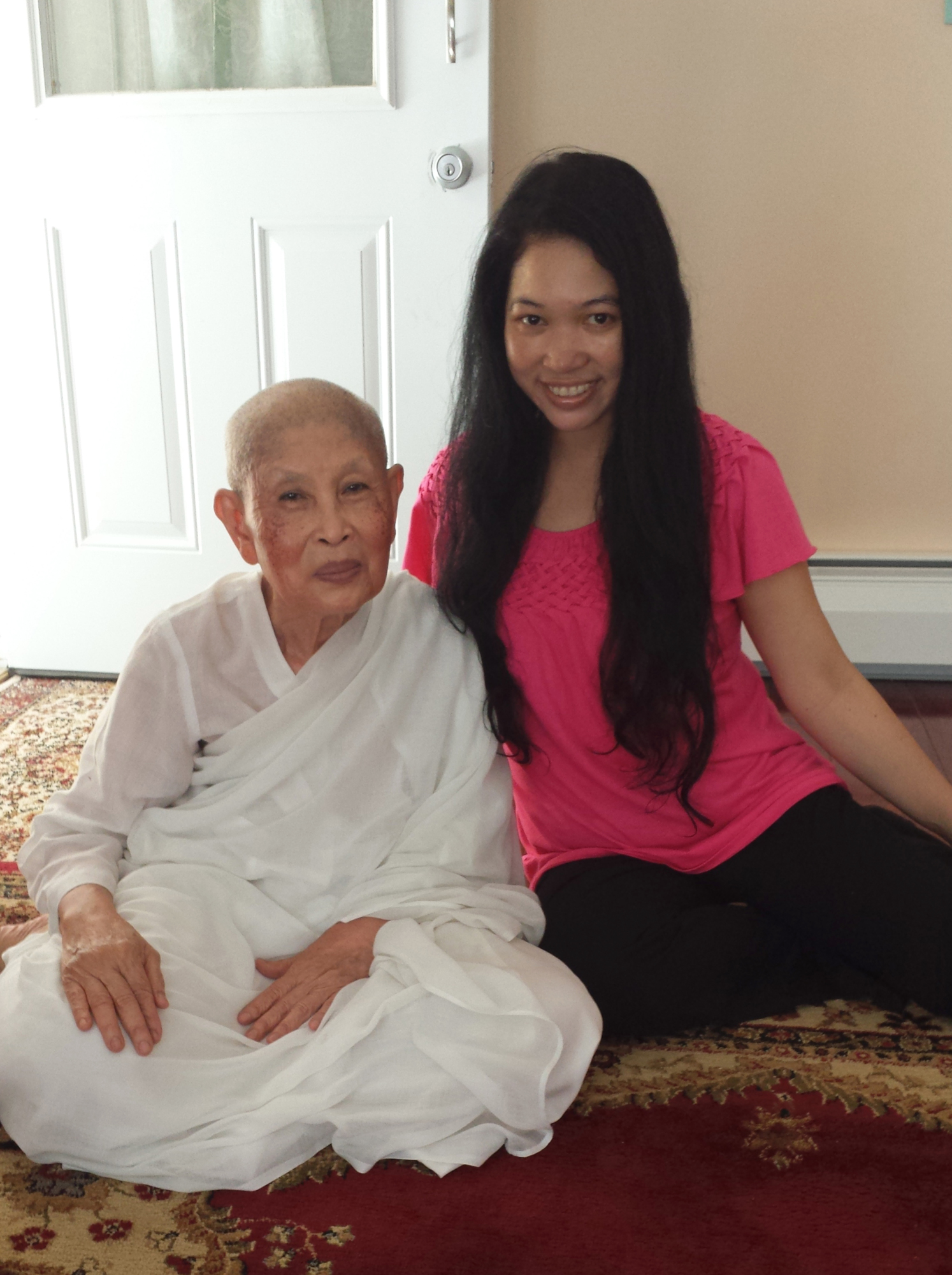
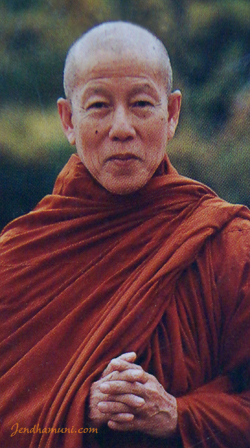
Jendhamuni with Buddhist nun Sony Nuon at Kiryvongsa Bopharam, Buddhist Peace Meditation Center on July 4, 2013.
Buddhist nun Sony Nuon became my lifetime favorite nun ever since I first met her. She’s very calm, very kind, caring, gentle and compassionate — rare qualities many lack… She’s the Buddhist nun I love most in this world… I hope we will meet again…
My beloved Buddhist nun passed away in Cranston, Rhode Island on Monday March 18, 2024 at 12:40 p.m.
Verse 201: Conquest begets enmity; the conquered live in misery; the peaceful live happily having renounced conquest and defeat.
The Story of the Defeat of the King of Kosala
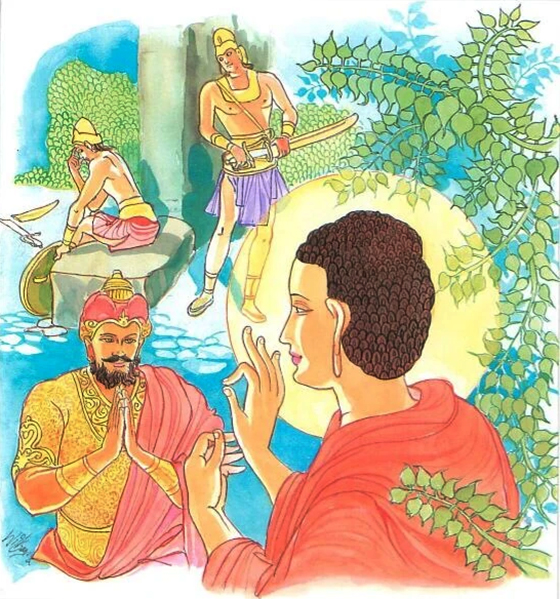
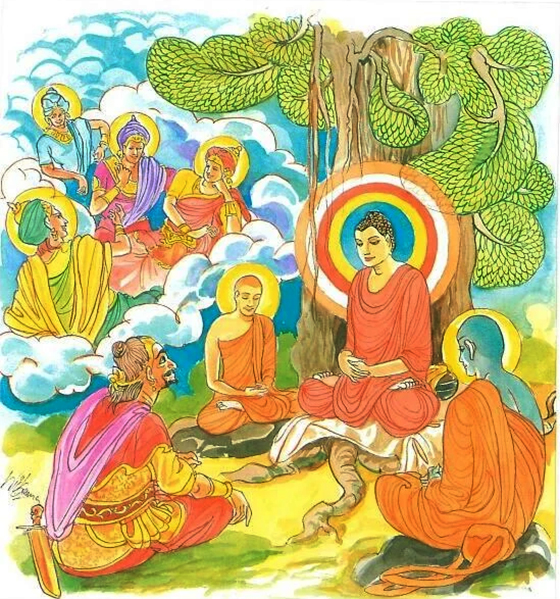
While residing at the Jetavana monastery, the Buddha uttered Verse (201) of this book, with reference to the King of Kosala who was defeated in battle by Ajatasattu, his own nephew.
In fighting against Ajatasattu, the King of Kosala was defeated three times. Ajatasattu was the son of King Bimbisara and Queen Vedehi, the sister of the King of Kosala. The King of Kosala was ashamed and very much depressed over his defeat. Thus his lamentation: “What a disgrace! I cannot even conquer this boy who still smells of mother’s milk. It is better that I should die.” Feeling depressed and very much ashamed, the king refused to take food, and kept to his bed. The news about the king’s distress spread like wild fire and when the Buddha came to learn about it, he said, “Bhikkhus! In one who conquers, enmity and hatred increase; one who is defeated suffers pain and distress.” Continue reading
I’ll always remember you, brother…
Those who touch our lives, stay in our hearts forever.
I did not see you close your eyes or hear your last sigh. I only heard that you were gone, too late to say goodbye. ~ Milano
Verse 200: Indeed we live very happily, without any anxiety (i.e., without greed, ill will and ignorance); like the Abhassara brahmas we shall live on delightful satisfaction (piti) as our food.
deva abhassara: Abhassara brahmas are the radiant brahmas of the abode of the second Rupavacara Jhana Brahmaloka.
The Story of Mara
The Buddha uttered Verse (200) of this book in a brahmin village known as Pancasala (village of five halls), with reference to Mara.
On one occasion, the Buddha saw in his vision that five hundred maidens from Pancasala village were due to attain Sotapatti Fruition. So he went to stay near that village. The five hundred maidens went to the riverside to have a bath; after the bath they returned to the village fully dressed up, because it was a festival day. About the same time, the Buddha entered Pancasila village for alms-food but none of the villagers offered him anything because they had been possessed by Mara.
On his return the Buddha met Mara, who promptly asked him whether he had received much alms-food.
The Buddha saw the hand of Mara in his failure to get any alms-food on that day and replied, “You wicked Mara! It was you who turned the villagers against me. Because they were possessed by you they did not offer any alms-food to me. Am I not right ?” Mara made no reply to that question, but he thought that it would be fun to entice the Buddha back to the village and get the villagers to insult the Buddha by making fun of him. So he suggested, “O Buddha, why don’t you go back to the village again? This time, you are sure to get some food.” Continue reading
Cultivating humility as part of our efforts to live interdependence can be enhanced by a heartfelt awareness that we are always in a state of development. Because everything arises based upon the coming together of continually shifting conditions, however much or little of a certain positive quality we have, further growth is always possible. Moreover, our positive qualities can be developed without limit. As long as we are human, we can continually keep discovering new potentials. ~ 17th Karmapa
External appearances appear to the mind, but they are just a construction of the mind; when they appear, the mind gives them a label. For that reason, even if outside things seem good, there is not actually a whole lot to be attached to. If they seem bad, there is nothing to feel aversion toward. Therefore if we want to be free of suffering and faults and find happiness and good qualities, the most important thing is to tame our mind and to be diligent about doing so. This is why we meditate and this is why there are mind instructions. Since the mind is root of everything and everything comes down to the mind, there is nothing more important than taming our mind, meditating on samadhi, and resting in equipoise. ~ Thrangu Rinpoche
Verse 197: Indeed we live very happily, not hating anyone among those who hate; among men who hate we live without hating anyone.
Verse 198: Indeed we live very happily, in good health among the ailing; among men who are ailing we live in good health.
Verse 199: Indeed we live very happily, not striving (for sensual pleasures) among these who strive (for them); among those who strive (for them) we live without striving.
The Story of the Pacification of the Relatives of the Buddha
The Buddha uttered Verse (197) to (199) of this book, in the Sakyan country, with reference to his relatives who were quarrelling over the use of the water from the Rohini river.
Kapilavatthu the town of the Sakyans and Koliya the town of the Kolyans were situated on either side of the Rohini river. The cultivators of both towns worked the fields watered by the Rohini river. One year, they did not have enough rain and finding that the paddy and other crops were beginning to shrivel up, cultivators on both sides wanted to divert the water from the Rohini river to their own fields. Those living in Koliya said that there was not enough water in the river for both sides, and that if only they could channel the water just once more to their fields that would be enough for the paddy to mature and ripen. On the other hand, people from Kapilavatthu argued that, in that case, they would be denied the use of the water and their crops would surely fail, and they would be compelled to buy from other people. They said that they were not prepared to go carrying their money and valuables to the opposite bank of the river in exchange for food. Continue reading
It might seem hard to understand karma. But if we look at it, the teachings on karma simply say that if we have a good intention and do a good act it will bring a good result. If we have a bad intention and do something bad, that will only bring a bad result—harm to ourselves and to others. If you actually think about it, it is not all that difficult. ~ Thrangu Rinpoche