Decorate your own soul
Comment
September 29, 2017
Don’t wait for someone to bring you flowers; plant your own garden and decorate your own soul. ~Unknown


Don’t wait for someone to bring you flowers; plant your own garden and decorate your own soul. ~Unknown
When we are children we seldom think of the future. This innocence leaves us free to enjoy ourselves as few adults can. The day we fret about the future is the day we leave our childhood behind. ~Patrick Rothfuss
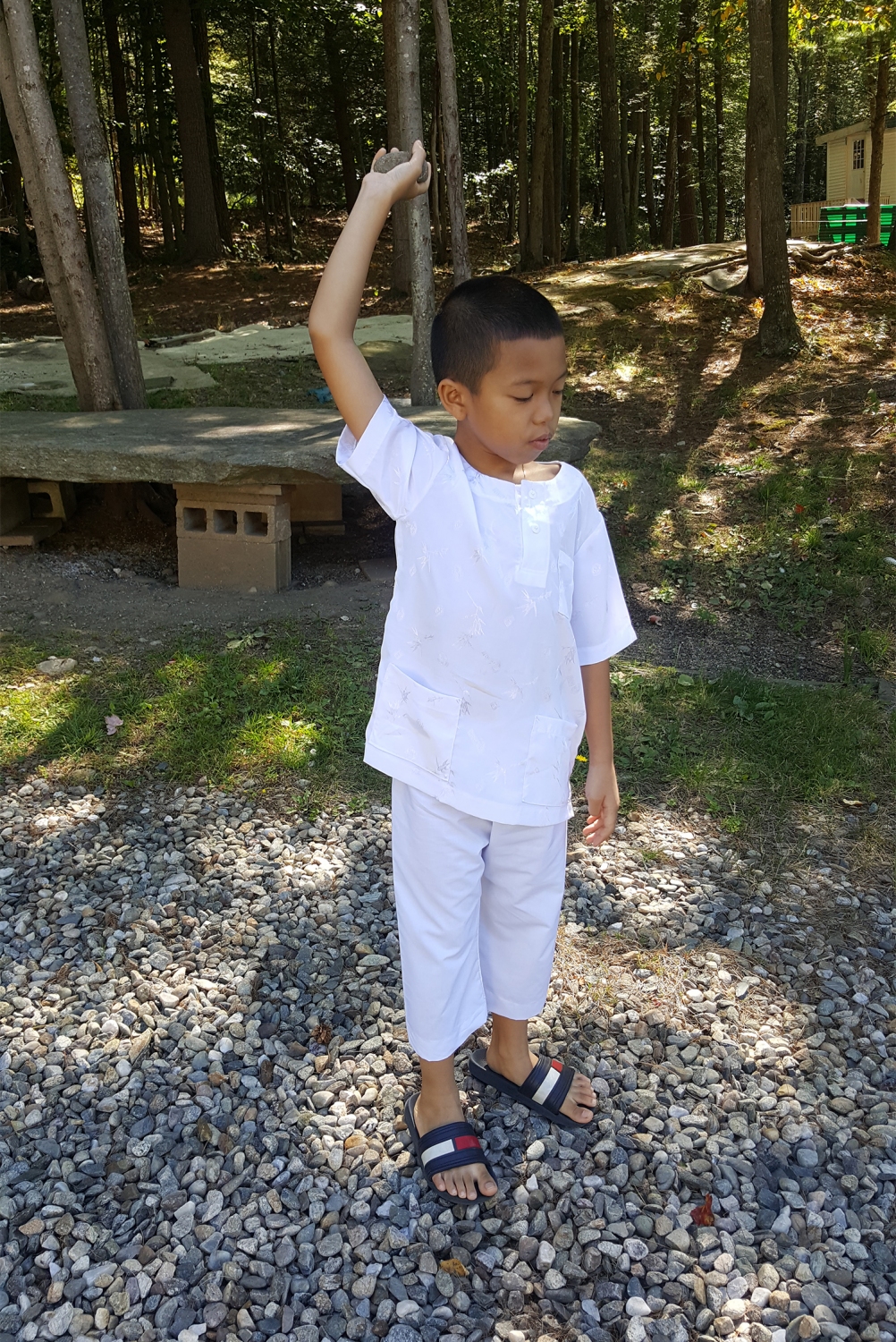
Every flower must grow through dirt. ~Unknown
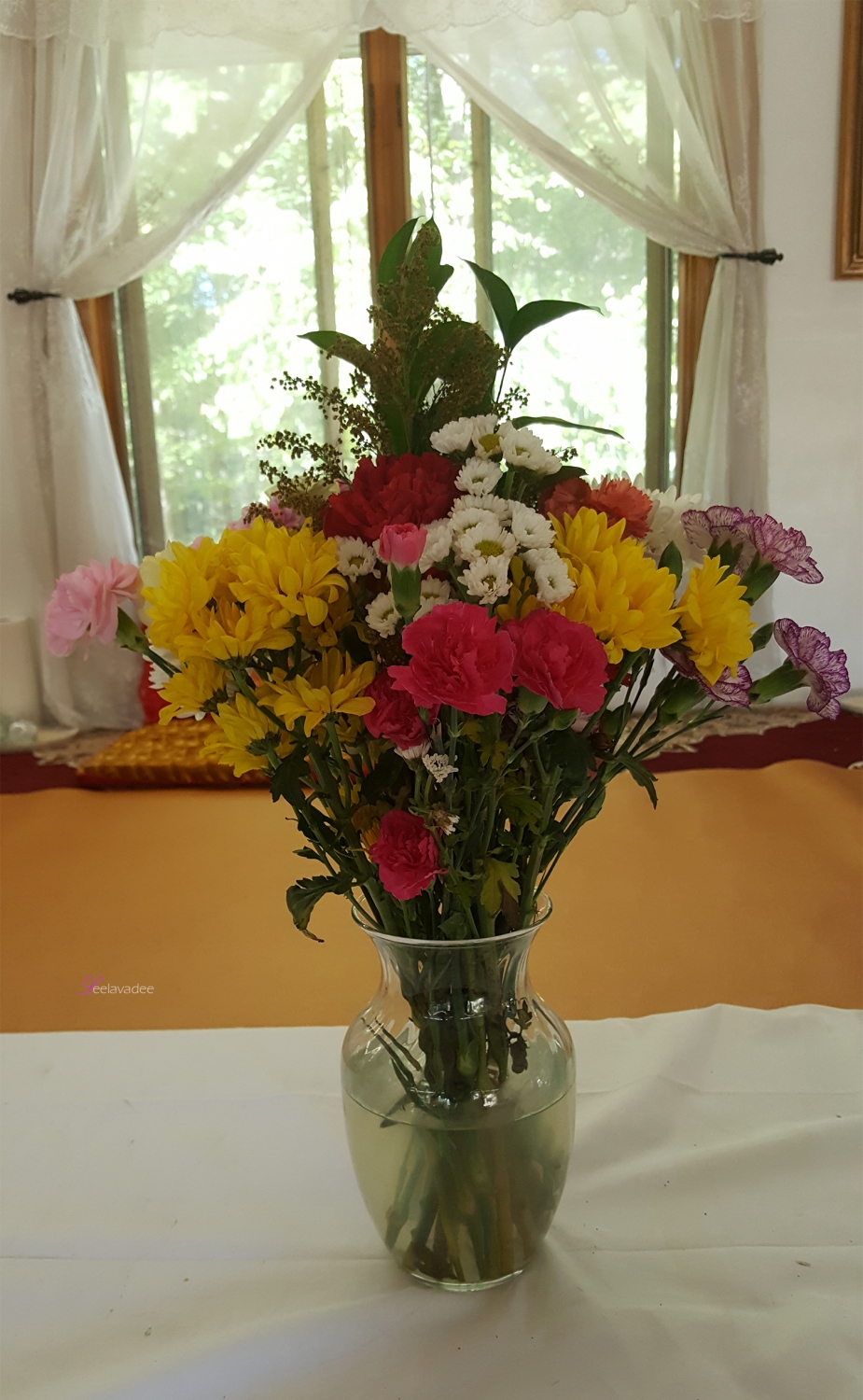
A beautiful flower just for you to say…
Take care and keep smiling!

I add a smile to everything I wear and that has worked great for me. ~David White
It is important to recognize that love, concern, and affection are not optional. We do not need any reason to offer love and affection. It is possible to have love without prices and without conditions. We do not need any further compensation beyond just giving our love. And love is an indefinitely renewable resource. For the well-being of society and for our own personal growth as well, it is crucial that we learn to love without needing a reason or reward. ~ 17th Karmapa
Happiness is always there; we do not have to bring it in from the outside, but simply recognize it within and allow ourselves to feel it. For example, we can be content with what we have, whatever it is. If we have a lot, it doesn’t mean we have to get rid of things. We are simply satisfied with what is there, be it large or small. With this contentment comes happiness. So we have to learn how to satisfy ourselves. This is extremely important as our endless greed is using up the limited resources of the world. We must think about future generations and our future lives. ~17th Karmapa
A good friend is like a four-leaf clover; hard to find and lucky to have. — Irish Proverb
A smile happens in a flash but its memory can last for a lifetime. ~Unknown


Verse 71: An evil deed does not immediately bear fruit, just as the newly-drawn milk does not curdle at once; but it follows the fool burning him like live coal covered with ashes.
The Story of Ahipeta*
While residing at the Jetavana monastery, the Buddha uttered Verse (71) of this book, with reference to a peta-ghost.
The Chief Disciple Maha Moggallana was on one occasion going on an alms-round with Thera Lakkhana in Rajagaha. On seeing something, he smiled but said nothing. When they were back at the monastery, Thera Maha Moggallana told Thera Lakkhana that he smiled because he saw a peta-ghost with the head of a human being and the body of a snake. The Buddha then said that he himself had seen that very peta-ghost on the day he attained Buddhahood. The Buddha also explained that, a very long time ago, there was a paccekabuddha, who was respected by many. People going to his monastery had to traverse a field. The owner of the field, fearing that his field would be damaged by too many people going to and from the monastery, set fire to it. Consequently, the paccekabuddha had to move to some other place. The disciples of the paccekabuddha, being very angry with the land-owner, beat him and killed him. On his death he was reborn in Avici Niraya. In his present existence, he was serving out the remaining term of the evil consequences (kamma) as a peta-ghost.
In conclusion, the Buddha said, “An evil deed does not bear fruit immediately, but it invariably follows the evil doer. There is no escape from the consequences of an evil deed.”
Then the Buddha spoke in verse as follows:
Verse 71: An evil deed does not immediately bear fruit, just as the newly-drawn milk does not curdle at once; but it follows the fool burning him like live coal covered with ashes.
* Ahipeta = Ahi + peta; ahi = snake + peta = peta-ghost, an ever-hungry spirit or ghost. In this instance a ghost with the head of a human being and the body of a snake.
Dhammapada Verse 71
Ahipeta Vatthu
Na hi papam katam kammam
sajju khiramva muccati
dahantam balarnanveti
bhasmacchannova pavako.
Source: Tipitaka

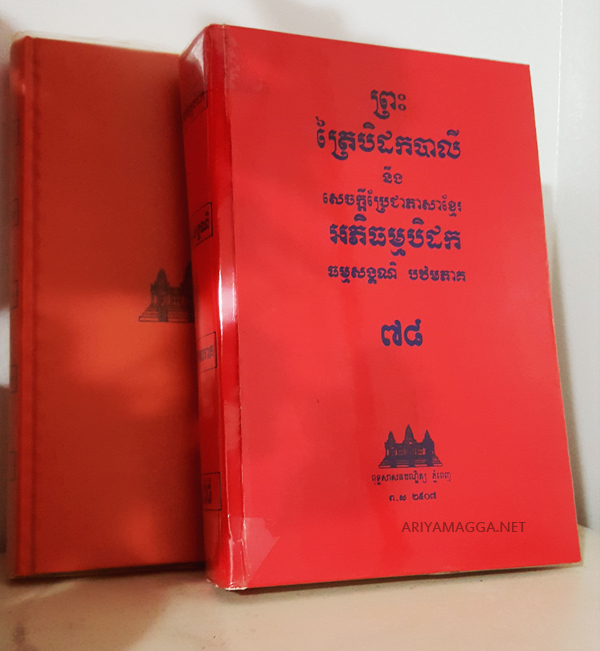
ព្រះត្រៃបិដក ប្រែថា កញ្រ្ចែង ឬ ល្អី ៣ សម្រាប់ដាក់ផ្ទុកពាក្យពេចន៍នៃព្រះសម្មាសម្ពុទ្ធ
The Tipitaka or Pali canon, is the collection of primary Pali language texts which form the doctrinal foundation of Theravada Buddhism. The three divisions of the Tipitaka are: Vinaya Pitaka, Sutta Pitaka, Abhidhamma Pitaka.
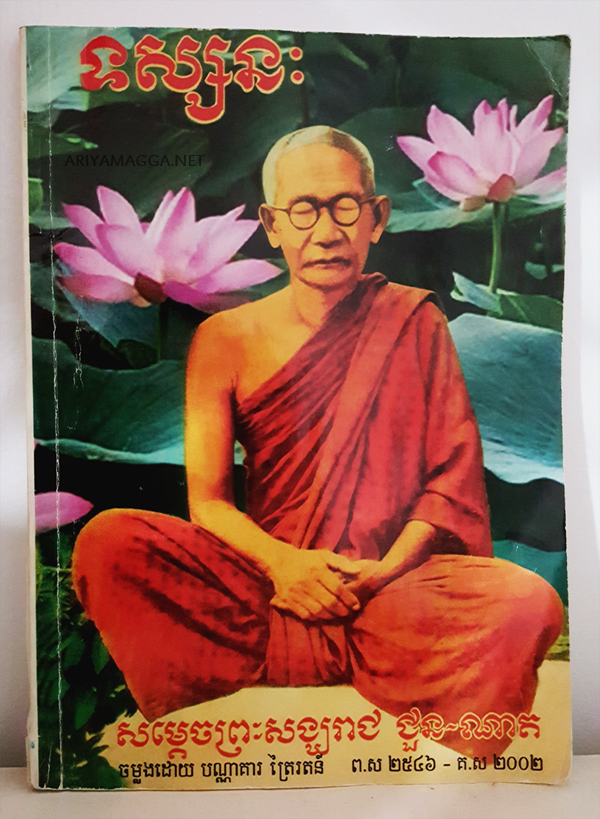
វចនានុក្រមសម្តេចសង្ឃ ជួន ណាត
Desktop version
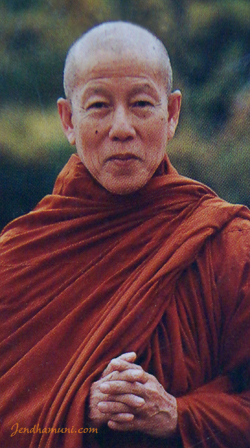
Listen to Khmer literature and Dhamma talk by His Holiness Jotannano Chuon Nath, Supreme Patriarch of Cambodia Buddhism.
Should anyone wish to ridicule me and make me an object of jest and scorn why should I possibly care if I have dedicated myself to others?
Let them do as they wish with me so long as it does not harm them. May no one who encounters me ever have an insignificant contact.
Regardless whether those whom I meet respond towards me with anger or faith, may the mere fact of our meeting contribute to the fulfilment of their wishes.
May the slander, harm and all forms of abuse that anyone should direct towards me act as a cause of their enlightenment.

As a solid rock is not shaken by the wind, so the wise are not shaken by blame and praise. As a deep lake is clear and calm, so the wise become tranquil after they listened to the truth…
Good people walk on regardless of what happens to them. Good people do not babble on about their desires. Whether touched by happiness or by sorrow, the wise never appear elated or depressed. ~The Dhammapada