
The wise adapt themselves to circumstances
Comment
April 7, 2017
The wise adapt themselves to circumstances, as water molds itself to the pitcher. ~ Chinese Proverb


The wise adapt themselves to circumstances, as water molds itself to the pitcher. ~ Chinese Proverb
If my heart can become pure and simple like that of a child, I think there probably can be no greater happiness than this. ~ Kitaro Nishida

You can cheat an honest man but you can not make a fool out of him. ~ Confucius

Worry is an addiction that interferes with compassion. ~ Deng Ming Dao
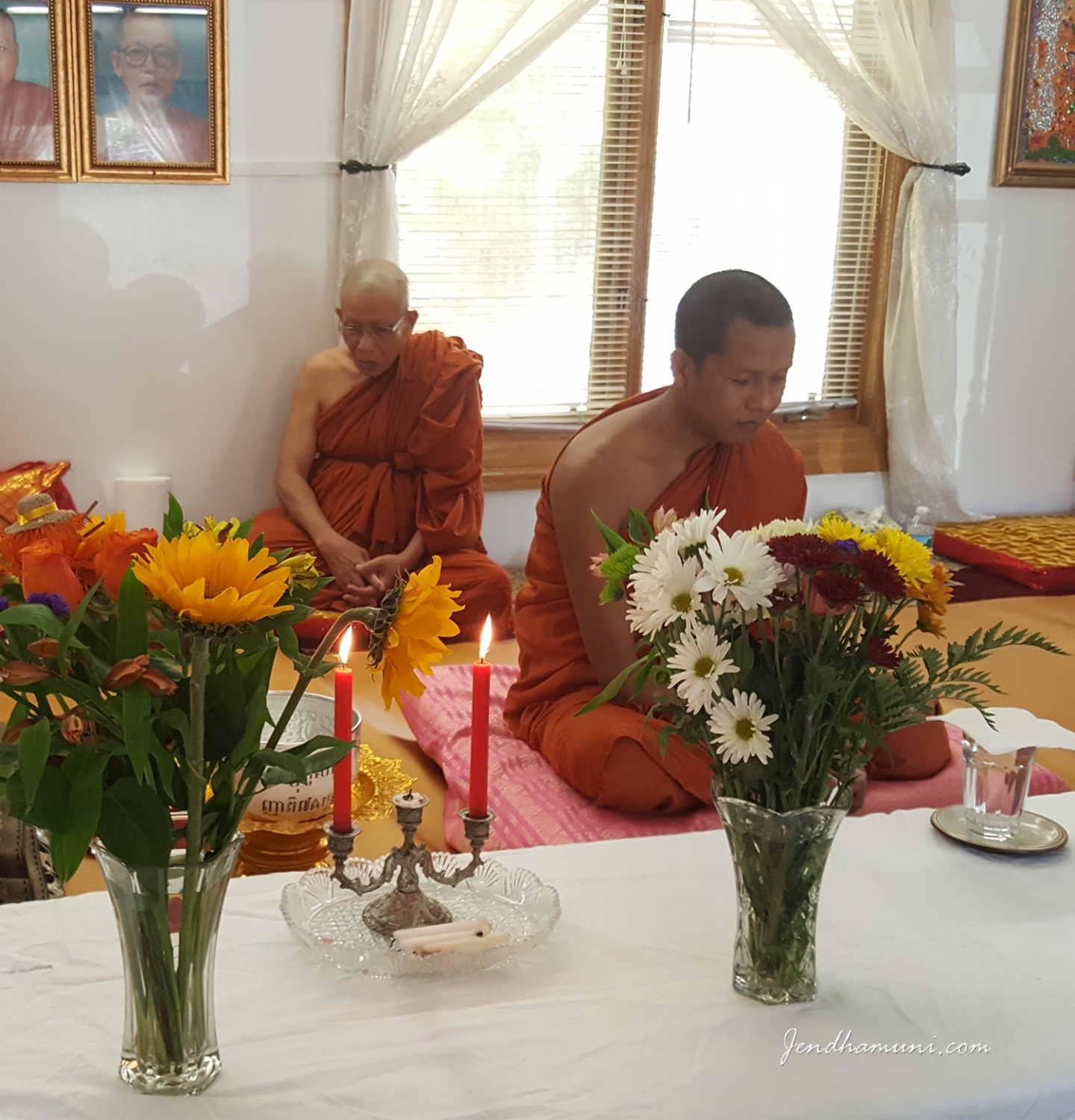

Verse 65: An intelligent man, even though he is associated with a wise man only for a moment, quickly understands the Dhamma, just as the tongue knows the taste of soup.
The Story of Thirty Bhikkhus from Paveyyaka
While residing at the Jetavana monastery, the Buddha uttered Verse (65) of this book, with reference to thirty bhikkhus from Paveyyaka.
Thirty youths from Paveyyaka were, on one occasion, enjoying themselves with a prostitute in a forest, when the prostitute stole some of their valuable ornaments and ran away. While searching for her in the forest, they met the Buddha on the way. As the Buddha delivered them a discourse the youths attained Sotapatti Fruition, and all of them joined the Order of the Buddha and followed him to the Jetavana monastery. While staying at the monastery, they strictly observed the austerity or purification practice (dhutanga). Later, when the Buddha delivered the Anamatagga Sutta (Discourse on Countless Existences), all those bhikkhus attained arahatship.
When other bhikkhus commented that Paveyyaka bhikkhus were very quick in attaining arahatship, the Buddha replied to them in verse, as follows:
Verse 65: An intelligent man, even though he is associated with a wise man only for a moment, quickly understands the Dhamma, just as the tongue knows the taste of soup.
Dhammapada Verse 65
Timsapaveyyakabhikkhu Vatthu
Muhuttamapi ce vinnu
panditam payirupasati
khippam dhammam vijanati
jivha suparasam yatha.
Source: Tipitaka
If your mind is happy then you are happy anywhere you go. When wisdom awakens within you, you will see Truth wherever you look. Truth is all there is. It’s like when you learned how to read, you can then read anywhere you go. ~Ajahn Chah

Things are simply the way they are. They don’t give us suffering. Like a thorn: Does a sharp thorn give us suffering? No. It’s simply a thorn. It doesn’t give suffering to anybody. If we step on it, we suffer immediately. Why do we suffer? Because we stepped on it. So the suffering comes from us. ~Ajahn Chah

Anything which is troubling you, anything which is irritating you, THAT is your teacher. ~Ajahn Chah


Verse 64: A fool, even though he is associated with a wise man all his life, does not understand the Dhamma, just as a ladle does not know the taste of soup.
The Story of Thera Udayi
While residing at tho Jetavana monastery, the Buddha uttered Verse (64) of this book, with reference to Thera Udayi, a pretentious bhikkhu.
Thera Udayi would often go and sit on the platform from which learned theras delivered their discourses. On one occasion, some visiting bhikkhus, taking him for a very learned thera, put to him some questions on the five aggregates (khandhas). Thera Udayi could not answer, because he did not know anything of the dhamma. The visiting bhikkhus were greatly astonished to find that one staying in the same monastery with the Buddha knew so very little about the khandhas and the ayatanas (sense-bases and sense-objects).
To them, the Buddha spoke in verse as follows:
Verse 64: A fool, even though he is associated with a wise man all his life, does not understand the Dhamma, just as a ladle does not know the taste of soup.
At the end of the discourse, all the visiting bhikkhus attained arahatship.
Dhammapada Verse 64
Udayitthera Vatthu
Yavajivampi ce balo
panditam payirupasati
na so dhammam vijanati
dabbi suparasam yatha.
Source: Tipitaka
Gentleness is the value and quality of one’s character. Gentleness is considered to play a very important role in life.
Gentleness means recognizing that the world around us is fragile, especially other people. It is recognizing our own capacity to do harm and choosing instead to be tender, soft-spoken, soft-hearted, and careful. When we are gentle we touch the world in ways that protect and preserve it.
Being gentle doesn’t mean being weak; gentleness can be firm, even powerful. To behave in a gentle manner requires that we stay centered in our own values and strength — that we are active rather than reactive. Coming from this center, a gentle word or touch can channel our energy into healing or making peace. ~Joseph Jung



ព្រះត្រៃបិដក ប្រែថា កញ្រ្ចែង ឬ ល្អី ៣ សម្រាប់ដាក់ផ្ទុកពាក្យពេចន៍នៃព្រះសម្មាសម្ពុទ្ធ
The Tipitaka or Pali canon, is the collection of primary Pali language texts which form the doctrinal foundation of Theravada Buddhism. The three divisions of the Tipitaka are: Vinaya Pitaka, Sutta Pitaka, Abhidhamma Pitaka.

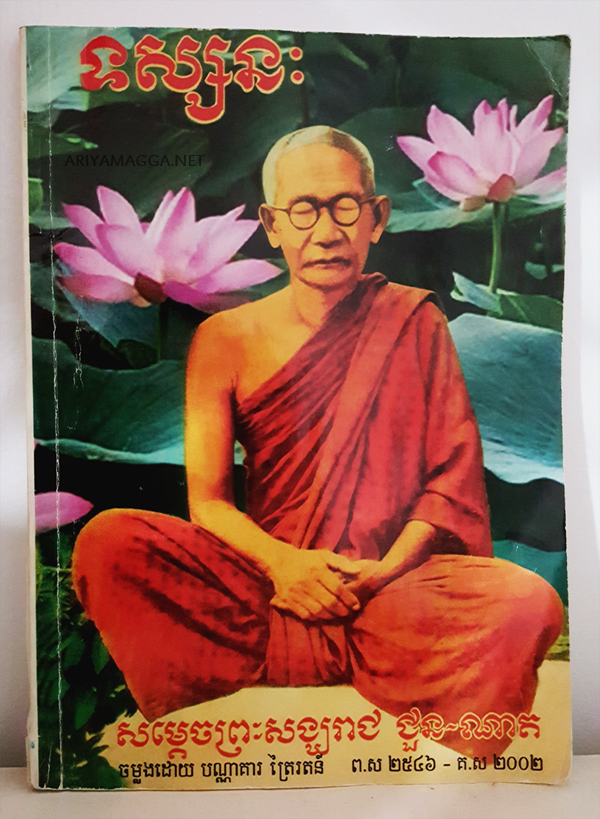
វចនានុក្រមសម្តេចសង្ឃ ជួន ណាត
Desktop version
Listen to Khmer literature and Dhamma talk by His Holiness Jotannano Chuon Nath, Supreme Patriarch of Cambodia Buddhism.
Should anyone wish to ridicule me and make me an object of jest and scorn why should I possibly care if I have dedicated myself to others?
Let them do as they wish with me so long as it does not harm them. May no one who encounters me ever have an insignificant contact.
Regardless whether those whom I meet respond towards me with anger or faith, may the mere fact of our meeting contribute to the fulfilment of their wishes.
May the slander, harm and all forms of abuse that anyone should direct towards me act as a cause of their enlightenment.

As a solid rock is not shaken by the wind, so the wise are not shaken by blame and praise. As a deep lake is clear and calm, so the wise become tranquil after they listened to the truth…
Good people walk on regardless of what happens to them. Good people do not babble on about their desires. Whether touched by happiness or by sorrow, the wise never appear elated or depressed. ~The Dhammapada