Today, and every day…
Comment
September 15, 2016
Today my mind is Calm,
My Heart is at Peace,
My Spirit is at Rest,
My Soul is Complete…


Today my mind is Calm,
My Heart is at Peace,
My Spirit is at Rest,
My Soul is Complete…
If I search your face only looking for my reflection
How can I see you as you really are
If I fill the hours with empty chatter
How can I hear you when you finally decide to talk
It is love, indeed
This that brings me to you
And this is why a new house needs to be built
With doors big enough for understanding and compassion to fit through
~by Jenifer Edwards


Anawratha of Pagan conveying the Buddhist scriptures
60. Anawratha of Pagan conveying the Buddhist scriptures
King Anawratha of Pagan conveyed the Buddhist scriptures from Thaton to Pagan for the benefit of all beings. He then removed the frontal bone, sacred relic of the Buddha, from Kaung-hmu-daw pagoda at Prome built by King Dutta-baung and took it also to Pagan. On arrival there he built a pagoda on the sand-bank of the Irrawaddy river near Pagan and enshrined the frontal bone of the Buddha, there. When the third terrace of this pagoda was constructed, he brought a replica of the Buddha’s tooth from Sri Lanka and enshrined it also in this pagoda. Before the construction of this pagoda was completed King Anawratha died.
When Kyanzittha became King of Pagan in succession to Anawratha, he continued to build this pagoda as advised by the Venerable Arahan. This pagoda was known as Shwezigon (Golden Sandbank) pagoda because it stands upon a strip of sand bank. King Anawratha started its construction in 393 Burmese Era. (1033 C.E.) and Kyanzittha continued to build it and hoisted a golden hti(crown) on it in 452 Burmese Era. (1192 C.E.).
THE ILLUSTRATED HISTORY OF BUDDHISM
by ASHIN JANAKA BHIVAMSA (Aggamahapandita)
Artist: U Ba Kyi | Link to this post
Live with compassion
Work with compassion
Die with compassion
Meditate with compassion
Enjoy with compassion
When problems come,
Experience them with compassion.
~Lama Zopa Rinpoche


For generosity, nothing to do,
Other than stop fixating on self.
For morality, nothing to do,
Other than stop being dishonest.
For patience, nothing to do,
Other than not fear what is ultimately true.
For effort, nothing to do,
Other than practise continuously.
For meditative stability, nothing to do,
Other than rest in presence.
For wisdom, nothing to do,
Other than know directly how things are.
~Tibetan practitioner Milarepa
All beings tremble before danger, all fear death. ~Dhammapada 54
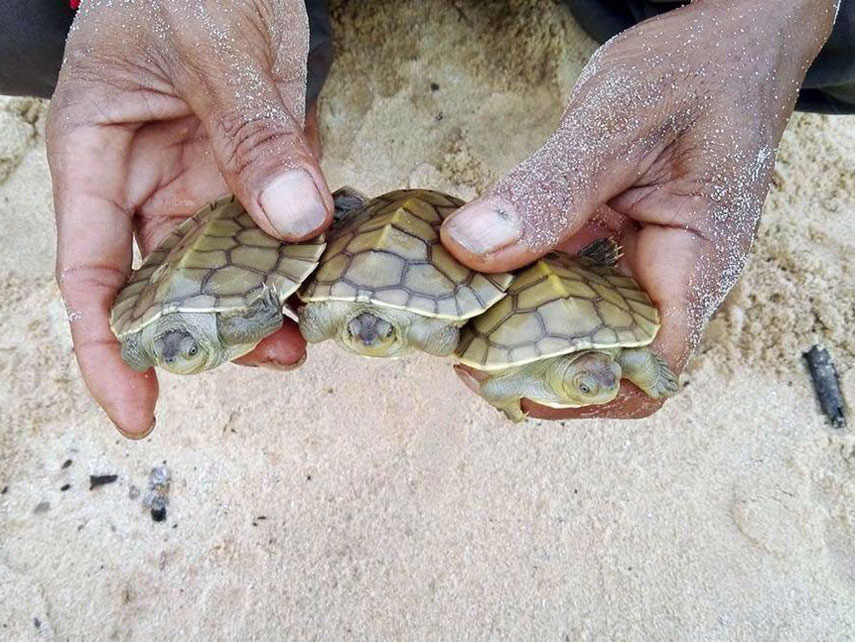
អណ្ដើកហ្លូងដែលគេយកទៅចិញ្ចឹម ថែរក្សា និងបង្កាត់ពូជ។ Photo courtesy of WCS
What exactly is compassion? Compassion is a mind that is motivated by cherishing other living beings and wishes to release them from their suffering. Sometimes out of selfish intention we can wish for another person to be free from their suffering; this is quite common in relationships that are based principally on attachment. If our friend is ill or depressed, for example, we may wish him to recover quickly so that we can enjoy his company again; but this wish is basically self-cen- tred and is not true compassion. True compassion is necessarily based on cherishing others.
Although we already have some degree of compassion, at present it is very biased and limited. When our family and friends are suffering we easily develop compassion for them, but we find it far more difficult to feel sympathy for people we find unpleasant or for strangers. Furthermore, we feel compassion for those who are experiencing manifest pain, but not for those who are enjoying good conditions, and especially not for those who are engaging in harmful actions. If we genuinely want to realize our potential by attaining full enlightenment we need to increase the scope of our compassion until it embraces all living beings without exception, just as a loving mother feels compassion for all her children irrespective of whether they are behaving well or badly. This universal compassion is the heart of Mahayana Buddhism. Unlike our present, limited compassion, which already arises naturally from time to time, universal compassion must first be cultivated through training over a long period of time.
Source: About Dharma
Link to this post
The selfless giving, the service, the kindness which you give out into this world that is the currency of (the) meaning (of life). ~Ajahn Brahm

Complaining is finding faults, wisdom is finding solutions. ~Ajahn Chah

Mindfulness is life. Whenever we don’t have mindfulness, when we are heedless, it’s as if we are dead. ~Ajahn Chah

There is a time for many words, and there is also a time for sleep. ~Good Morning quote

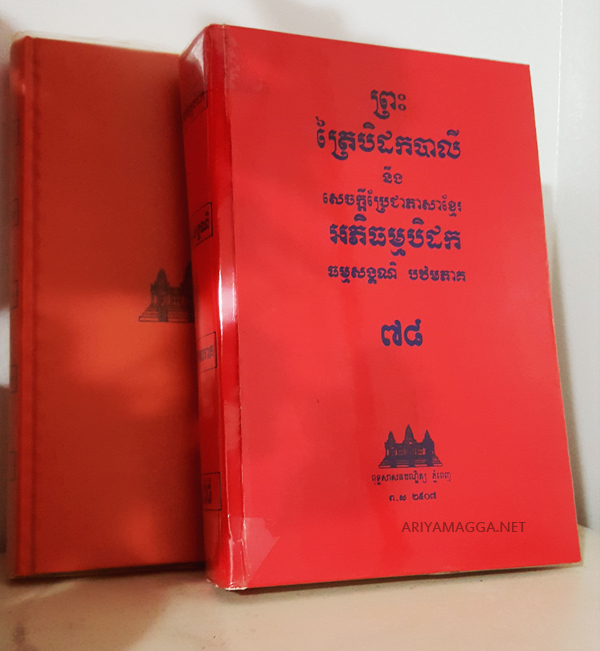
ព្រះត្រៃបិដក ប្រែថា កញ្រ្ចែង ឬ ល្អី ៣ សម្រាប់ដាក់ផ្ទុកពាក្យពេចន៍នៃព្រះសម្មាសម្ពុទ្ធ
The Tipitaka or Pali canon, is the collection of primary Pali language texts which form the doctrinal foundation of Theravada Buddhism. The three divisions of the Tipitaka are: Vinaya Pitaka, Sutta Pitaka, Abhidhamma Pitaka.
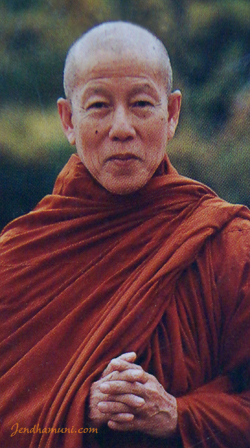
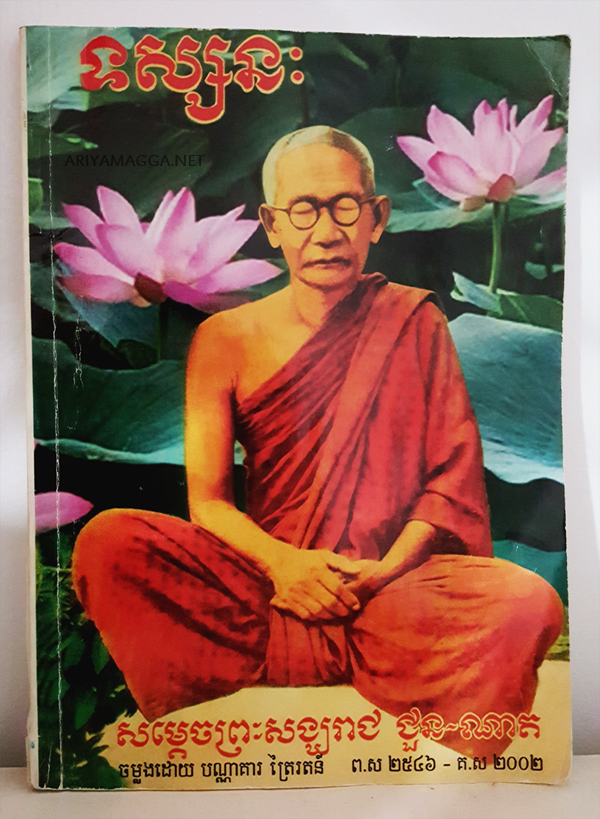
វចនានុក្រមសម្តេចសង្ឃ ជួន ណាត
Desktop version
Listen to Khmer literature and Dhamma talk by His Holiness Jotannano Chuon Nath, Supreme Patriarch of Cambodia Buddhism.
Should anyone wish to ridicule me and make me an object of jest and scorn why should I possibly care if I have dedicated myself to others?
Let them do as they wish with me so long as it does not harm them. May no one who encounters me ever have an insignificant contact.
Regardless whether those whom I meet respond towards me with anger or faith, may the mere fact of our meeting contribute to the fulfilment of their wishes.
May the slander, harm and all forms of abuse that anyone should direct towards me act as a cause of their enlightenment.

As a solid rock is not shaken by the wind, so the wise are not shaken by blame and praise. As a deep lake is clear and calm, so the wise become tranquil after they listened to the truth…
Good people walk on regardless of what happens to them. Good people do not babble on about their desires. Whether touched by happiness or by sorrow, the wise never appear elated or depressed. ~The Dhammapada