1. Love, concern, and affection are not optional

    Comment

    It is important to recognize that love, concern, and affection are not optional. We do not need any reason to offer love and affection. It is possible to have love without prices and without conditions. We do not need any further compensation beyond just giving our love. And love is an indefinitely renewable resource. For the well-being of society and for our own personal growth as well, it is crucial that we learn to love without needing a reason or reward. ~ 17th Karmapa

  2. Authentic love toward others

    Comment

    When you feel authentic love toward others, you will be deeply moved to act. You will not rest until you have found ways to secure the happiness of all those you are able to include in your feelings of love. As you learn to love more and more widely, your love will motivate you to act to benefit not just the few people in your inner circle, but your whole society, and eventually, the whole world. ~ 17th Karmapa

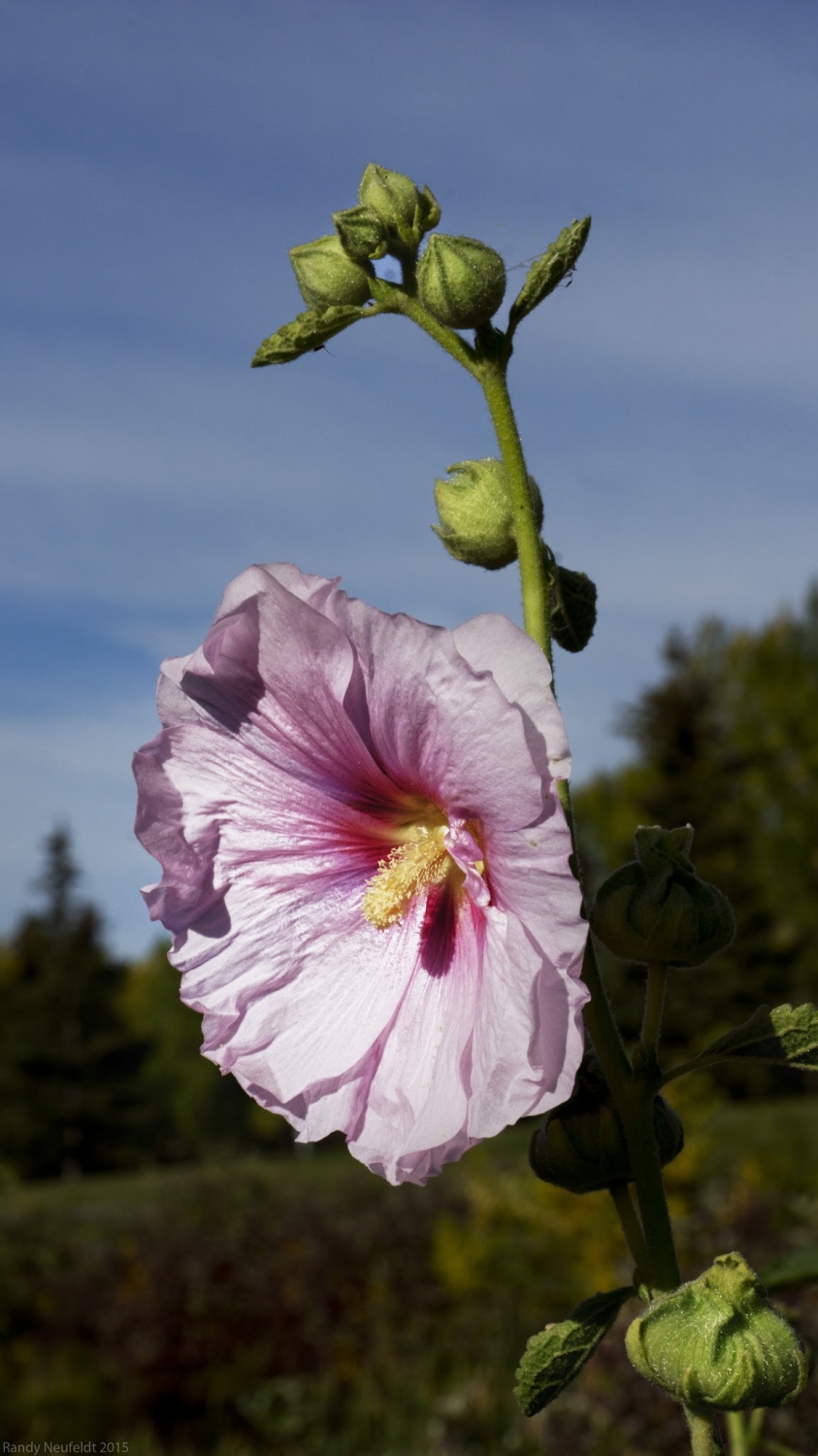
    Photo credit: Randy Neufeldt

    Photo credit: Randy Neufeldt

  3. Putting ourselves in someone else’s place 

    Comment

    Photo credit: Randy Neufeldt

    Sometimes harsh words must be said in order to help someone, but generally when we speak harshly, it is because we are angry, and it does not help. It is difficult to speak harsh words with love and compassion. In these situations, we can take ourselves as an example. Putting ourselves in someone else’s place, we ask, “If someone said these words to me in that way, how would I feel?” When we truly think of others, we will find some part of them that resembles us, because every one of us experiences pleasure and pain. Before we act or speak, thinking of others as similar to us is quite useful. ~ 17th Karmapa

  4. Compassionate world

    Comment

    The most exalted example Buddhists use to explain compassion is motherhood. Consider all that your mother probably has done for you since the time you were conceived — carrying you for 9 months, experiencing the hardship of labor and birth, feeding and clothing you, taking care of all your needs, and worrying about you long after you reach adulthood. Most mothers never stop caring unconditionally for their children. Regardless of whether one believes in reincarnation or not, one can suppose that all living beings are like mothers to us. The food that appears in front of us at dinner was grown, packaged, and prepared by people we probably do not know. The clothes we are wearing were produced by people we probably will never meet. Yet we are benefiting from their hopes, dreams, and labor. Plants, animals, and raw materials have all been used to provide us these things. This is the interdependence that characterizes life — no one thing exists by itself alone, or can survive alone. We are all part of one world ecology and the world is extremely compassionate to us.

    ក្មេងៗហែលទឹកលេងនៅឃុំម្លូព្រៃ២ ស្រុកឆែប ខេត្តព្រះវិហារ ថ្ងៃទី២៥ ខែកក្កដា ឆ្នាំ២០១៧។ រូបថតអង្គការពន្លកខ្មែរ

    ក្មេងៗហែលទឹកលេងនៅឃុំម្លូព្រៃ២ ស្រុកឆែប ខេត្តព្រះវិហារ ថ្ងៃទី២៥ ខែកក្កដា ឆ្នាំ២០១៧។ រូបថតអង្គការពន្លកខ្មែរ

  5. Who is your protector?

    Comment

    sparkling tulips gif animation

    by 17th Karmapa

    We tend to think of the Buddha as someone with great powers – a kind of Superman with superpowers who will come to protect us and save us when something terrible happens. But who is the real superhero? You are. Superman is not the Buddha. You are. Who is your protector? You are. What is your greatest power? It is the power of your noble motivations. Karmic cause and effect teaches us that each one of us is a person with tremendous power to change the world. Therefore, you should value yourself and trust in your own abilities. This is a key point in order to be able to take up great responsibilities, through your noble aims and intentions.

    For this reason, we should not always be expecting something outside ourselves to intervene, as if we were entreating the buddhas and bodhisattvas, “Please bless me so that good things happen to me.” We make continual requests to the teacher or lama to grant us their blessings. But sometimes the lama’s battery is finished! So many people want to recharge from the lama that even the biggest battery can run down. There are also people who did something good in the past and now expect something good to be done to them.

    I think it is very important not just to wait for the external buddhas and teachers. We also need to understand that we have an inner Buddha or an inner teacher. That means we need to be the ones who make the effort. We need to create the opportunities, or produce the good energy, without always waiting for someone to arrive and intervene from the outside. I think it is very important to produce this by yourself, because, actually, you are the Buddha. Not such an effective buddha, perhaps, but… a buddha, a small Buddha. Our Buddha is like a child, not yet grown up enough to do more, so we need to nurture our inner Buddha, our child Buddha.

  6. Inner freedom is key

    Comment

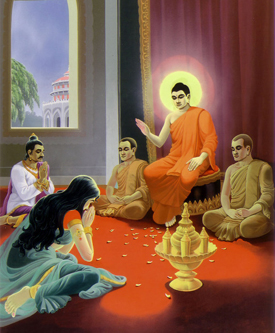
    Buddha teaching

    by 17th Karmapa

    Freedom does not start from the outside. Although external conditions have a part to play, that is not where freedom originates. This might sound backward, but authentic freedom arises initially from inner conditions. Its deepest roots are within us.

    Most often when we speak of freedom, what we actually have in mind are freedom’s outer manifestations. This may be the gravest error we make in our understanding of freedom. If we think we will achieve freedom when we can exercise complete control over our immediate environment, we overlook the single most important determinant of authentic freedom: our own minds.

    Our mind has unlimited potential. It is not bound to any one position or viewpoint. What we think or feel — our mental state — is not simply determined by outer circumstances. Because of this, no matter how challenging our external conditions might be, we can experience freedom if we cultivate the inner resources that allow us to feel free. The basis for establishing authentic freedom is within us.

    If you can access a sense of inner freedom no matter what is going on around you, you are experiencing freedom. As important as outer liberties are, freedom does not consist solely in enjoying physical or verbal liberty, such as freedom of movement or freedom of speech. We may have the liberty to do and say as we wish and yet still be deeply unfree mentally or emotionally. This is why inner freedom is key. When we have freed our minds and hearts from within, our happiness no longer depends on making the rest of the world serve our self-centered goals. Not only that, we gain freedom to work to change the external conditions that have the potential to limit or obstruct our freedom from outside, and we also have what we need to be able to work for the freedom of others.

    What are we looking for when we seek freedom? Maybe at the bottom of it all, the freedom we seek is the experience of genuine happiness. Since this is an inner experience, external things cannot be the measure of our happiness or our freedom. We will come back in a moment to the question of what we mean by happiness and how it enables us to experience freedom, but I think if we examine our own experiences, we can see that whether we call it freedom or not, if we feel free, we feel happy, and if we feel happy, we also feel free. The state of mind and the feeling we seek can be called freedom, or it can be called happiness. But whatever name we give it, if we want to experience happiness or freedom, we must cultivate the inner conditions that give rise to those states.


  7. Open-minded

    Comment

    My own way of thinking is that when we are meeting with angry or stubborn people, we should bring even greater understanding to bear. The more closed-minded or hardheaded someone seems, the more reason there is for us to be open-minded and gentle when interacting with them. We can recognize how difficult and painful it is to live with anger or narrow views, and this allows us to feel compassion for them. ~ 17th Karmapa

    candle-animation

  8. Serving the common interest

    Comment

    Try to serve the common interest. Whatever happens, think about what is best for the group rather than acting for yourself alone. The benefit of many is more important than that of each individual. If you cannot tell the difference, there is no way you can serve the public. What’s more, your own interests will be ill served. ~ 17th Karmapa

    rain in wood gif animation

Live & Die for Buddhism

candle

Me & Grandma

My Reflection

This site is a tribute to Buddhism. Buddhism has given me a tremendous inspiration to be who and where I am today. Although I came to America at a very young age, however, I never once forget who I am and where I came from. One thing I know for sure is I was born as a Buddhist, live as a Buddhist and will leave this earth as a Buddhist. I do not believe in superstition. I only believe in karma.

A Handful of Leaves

A Handful of Leaves

Tipitaka: The pali canon (Readings in Theravada Buddhism). A vast body of literature in English translation the texts add up to several thousand printed pages. Most -- but not all -- of the Canon has already been published in English over the years. Although only a small fraction of these texts are available here at Access to Insight, this collection can nonetheless be a very good place to start.

Major Differences

Major Differences in Buddhism

Major Differences in Buddhism: There is no almighty God in Buddhism. There is no one to hand out rewards or punishments on a supposedly Judgement Day ...read more

Problems we face today

jendhamuni pink scarfnature

Of the many problems we face today, some are natural calamities and must be accepted and faced with equanimity. Others, however, are of our own making, created by misunderstanding, and can be corrected...