1. Nothing higher to live for
    Comment

    Nothing Higher to Live For
    A Buddhist View of Romantic Love
    by Bhikkhu Nyanasobhano (Leonard Price) © 2005

    If it is possible to live with a purpose, what should that purpose be? A purpose might be a guiding principle, a philosophy, or a value of sovereign importance that informs and directs our activities and thoughts. To have one is to live seriously — though not necessarily wisely — following some track, believing in a hub to the wheeling universe or a sea toward which we flow or an end before which all the hubbub of civilization subsides. What is your purpose, friend, or what should it be?

    Perhaps most of us do not come to a clear conclusion in the matter, but this does not mean we have no purpose, only that we do not recognize it or admit it or even choose it for ourselves. In the unhappiest case nature simply takes its course, which is a turbid meandering through the swamps of desire. If life means nothing then only pleasure is worthwhile; or if life has meaning and we cannot get at it then still only enjoyment matters — such is the view of brutes and some sophisticated philosophers. It slips into the unconscious by default when we hold no other, but we are reluctant to entertain it and will rather, if we think about it, take as our purpose support of family, search for beauty, improvement of society, fame, self-expression, development of talent, and so on. But it might be fair to say that apart from these or beneath these the fundamental purpose of many of us is the search for love, particularly romantic love.

    The love of a man for a woman and a woman for a man is often the floor to which people fall after the collapse of other dreams. It is held to be solid when nothing else is, and though it frequently gives way and dumps them into a basement of despair, it still enjoys a reputation of dependability. No matter that this reputation is illogical — it still flourishes and will continue to flourish regardless of what is said in any book. Love, or possibly the myth of love, is the first, last, and sometimes the only refuge of uncomprehending humanity. What else makes our hearts beat so fast? What else makes us swoon with feeling? What else renders us so intensely alive and aching? The search for love — the sublime, the nebulous, the consuming — remains sacred in a world that increasingly despises the sacred. When the heroic and the transcendental are but memories, when religious institutions fill up with bureaucrats and social scientists, when nobody believes there is a sky beyond the ceiling, then there seems no other escape from the prison of self than the abandon of love. With a gray age of spiritual deadness upon us, we love, or beg for love, or grieve for love. We have nothing higher to live for. Continue reading

  2. Life of elderly couple

    Comment

    ជីវិតប្តីប្រពន្ធចាស់ជរាមានជំងឺប្រចាំកាយមួយគូ រស់នៅក្នុងខ្ទមកំសត់ ដំបូលរហែក ជញ្ជាំងធ្លុះធ្លាយ អត់មានកូនគ្មានបងប្អូន រស់នៅយ៉ាងវេទនាបានព្រឹកខ្វះល្ងាចបានល្ងាចខ្វះព្រឹក អាស្រ័យនិងអ្នកជិត ស្ថិតនៅ ភូមិកណ្តឹង ឃុំកណ្តឹង ស្រុកបាទី ខេត្តតាកែវ. Source: Seangmeng Kpt

    13082556_211117889271356_2433848290416537407_n
    13043628_211117919271353_8991428368982888929_n 13087380_211117885938023_5752911920351742598_n


  3. Each human being is a multiplicity of miracles

    Comment

    The moment you wake up, right away, you can smile…. You are aware that a new day is beginning, that life is offering you twenty-four brand new hours to live, and that that’s the most precious of gifts. ~Thich Nhat Hanh

    Photo source: Seangmeng Kpt

    Photo source: Seangmeng Kpt

  4. The Procession of the Buddha’s Relics

    Comment

    The Sacred Relics of Buddha Sakyamuni ពិធីដង្ហែព្រះបរមសារី រិកធាតុនៃព្រះដ៏មានព្រះភាគ សក្សមុនី នៅវត្ដគិរីវង្សាបុប្ផារាម អាស្រមសមាធិសន្ដិភាព នាថ្ងៃអាទិត្យ ១១កើត ខែចេត្រ ពុទ្ធសករាជ ២៥៥៩ ត្រូវនឹងថ្ងៃទី១៧ ខែមេសា គ្រិស្ដសករាជ ២០១៦ The Sacred Relics of Buddha Sakyamuni takes place at the Kiryvongsa Bopharam Buddhist Temple on Sunday the 11th Waxing Moon of Buddhist era 2559 equivalent to April 17, A.D.2016.

    Buddha relics

  5. How you made them feel

    Comment

    They may forget what you said — but they will never forget how you made them feel. —Carl W. Buehner

    Jendhamuni and Kali smiling

  6. To understand everything…

    Comment

    To understand everything is to forgive everything. ~Buddha

    Upasika Nong Sarun with Kali and Ananda on April 16, 2016.

  7. Great Compassion

    Comment

    The suffering of Cambodia has been deep.
    From this suffering comes Great Compassion.
    Great Compassion makes a Peaceful Heart.
    A Peaceful Heart makes a Peaceful Person.
    A Peaceful Person makes a Peaceful Family.
    A Peaceful Family makes a Peaceful Community.
    A Peaceful Community makes a Peaceful Nation.
    A Peaceful Nation makes a Peaceful World.
    May all beings live in Happiness and Peace.

    ~Maha Ghosananda

    Maha Ghosananda

  8. The true hero…

    Comment

    The true hero is one who conquers his own anger and hatred. ~Dalai Lama XIV

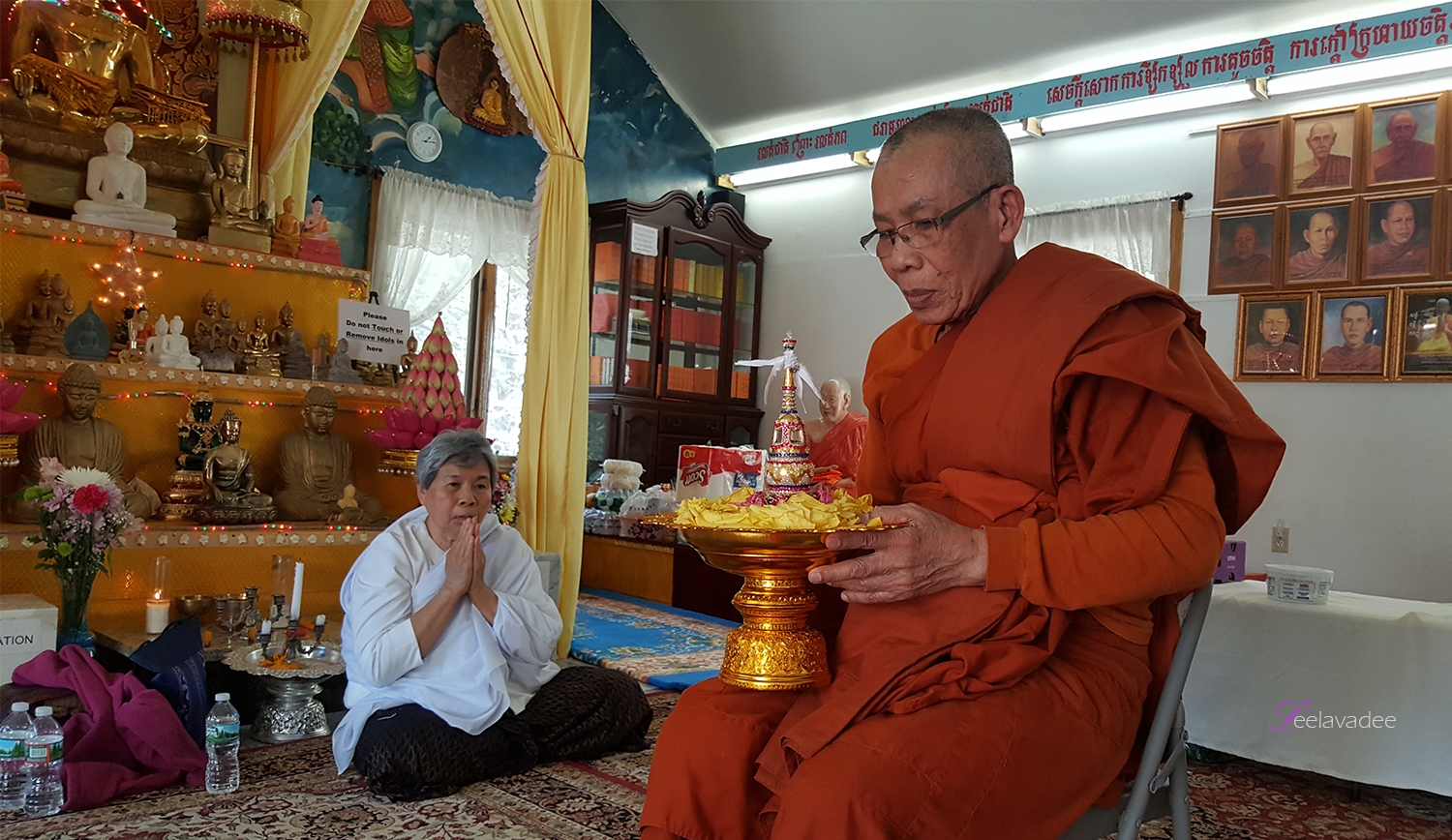
    Vipassana Master Dejapanno Phorn Pheap, of Wat Kiryvongsa Bopharam, holding the Buddha Relics on Sunday the 11th Waxing Moon of Citta B.E.2559, April 17, A.D.2016 Year of the Monkey. Bhikkhu Dejapanno adhering strictly to the Tipitaka (Buddha’s Teachings). ព្រះភិក្ខុ តេជប្បញ្ញោ ផន ភាព ធម្មាចារ្យផ្នែកសមាធិ វិបស្សនាកម្មដ្ឋាន កំពុងកាន់ព្រះបរមសារី រិកធាតុនៃព្រះបរមសត្ថាទេវមនុស្សនំ នៅថ្ងៃអាទិត្យ ១១កើត ខែចេត្រ ឆ្នាំវក អដ្ឋស័ក ព.ស.២៥៥៩ ត្រូវនឹងថ្ងៃទី ១៧ ខែមេសា គ.ស.២០១៦។  ព្រះភិក្ខុ តេជប្បញ្ញោ ប្រកាន់ខ្ជាប់ខ្ជួនតាមគម្ពីរព្រះត្រៃបិដក។

    Dejapanno Bhikkhu

    Vipassana Master Dejapanno Phorn Pheap, of Wat Kiryvongsa Bopharam

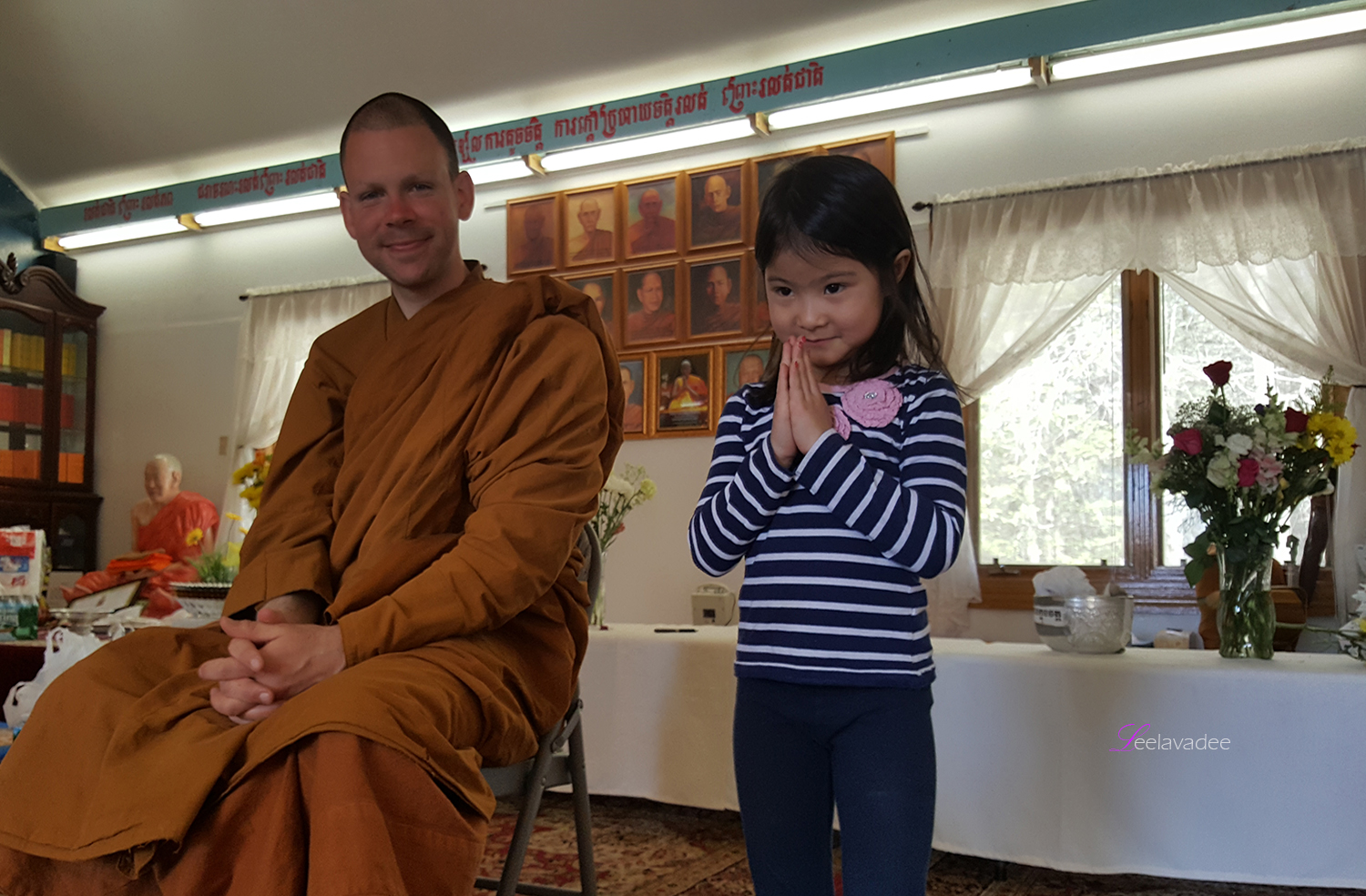
    forest monk and Kali041716

    Kali and the forest monk in western Massachusetts, U.S.A.


  9. Developing compassion

    Comment

    Jendhamuni with grandpa041716

    Compassion and the Individual

    Tenzin Gyatso; The Fourteenth Dalai Lama

    The purpose of life
    One great question underlies our experience, whether we think about it consciously or not: What is the purpose of life? I have considered this question and would like to share my thoughts in the hope that they may be of direct, practical benefit to those who read them.

    I believe that the purpose of life is to be happy. From the moment of birth, every human being wants happiness and does not want suffering. Neither social conditioning nor education nor ideology affect this. From the very core of our being, we simply desire contentment. I don’t know whether the universe, with its countless galaxies, stars and planets, has a deeper meaning or not, but at the very least, it is clear that we humans who live on this earth face the task of making a happy life for ourselves. Therefore, it is important to discover what will bring about the greatest degree of happiness.

    How to achieve happiness
    For a start, it is possible to divide every kind of happiness and suffering into two main categories: mental and physical. Of the two, it is the mind that exerts the greatest influence on most of us. Unless we are either gravely ill or deprived of basic necessities, our physical condition plays a secondary role in life. If the body is content, we virtually ignore it. The mind, however, registers every event, no matter how small. Hence we should devote our most serious efforts to bringing about mental peace.

    From my own limited experience I have found that the greatest degree of inner tranquility comes from the development of love and compassion.

    The more we care for the happiness of others, the greater our own sense of well-being becomes. Cultivating a close, warm-hearted feeling for others automatically puts the mind at ease. This helps remove whatever fears or insecurities we may have and gives us the strength to cope with any obstacles we encounter. It is the ultimate source of success in life.
    Continue reading

  10. How to accept it…

    Comment

    We don’t become monks or nuns to eat well, sleep well, and be very comfortable, but to know suffering:
    1. how to accept it…
    2. how to get rid of it…
    3. how not to cause it.

    Compiled & Edited by Dhamma Garden
    Transcribed to the Internet by
    Abhayagiri Buddhist Monastery

    Source: http://www.dharmaweb.org

    Buddhist monk041716

Live & Die for Buddhism

candle

Me & Grandma

My Reflection

This site is a tribute to Buddhism. Buddhism has given me a tremendous inspiration to be who and where I am today. Although I came to America at a very young age, however, I never once forget who I am and where I came from. One thing I know for sure is I was born as a Buddhist, live as a Buddhist and will leave this earth as a Buddhist. I do not believe in superstition. I only believe in karma.

A Handful of Leaves

A Handful of Leaves

Tipitaka: The pali canon (Readings in Theravada Buddhism). A vast body of literature in English translation the texts add up to several thousand printed pages. Most -- but not all -- of the Canon has already been published in English over the years. Although only a small fraction of these texts are available here at Access to Insight, this collection can nonetheless be a very good place to start.

Major Differences

Major Differences in Buddhism

Major Differences in Buddhism: There is no almighty God in Buddhism. There is no one to hand out rewards or punishments on a supposedly Judgement Day ...read more

Problems we face today

jendhamuni pink scarfnature

Of the many problems we face today, some are natural calamities and must be accepted and faced with equanimity. Others, however, are of our own making, created by misunderstanding, and can be corrected...