1. Calmness is not weakness

    Comment

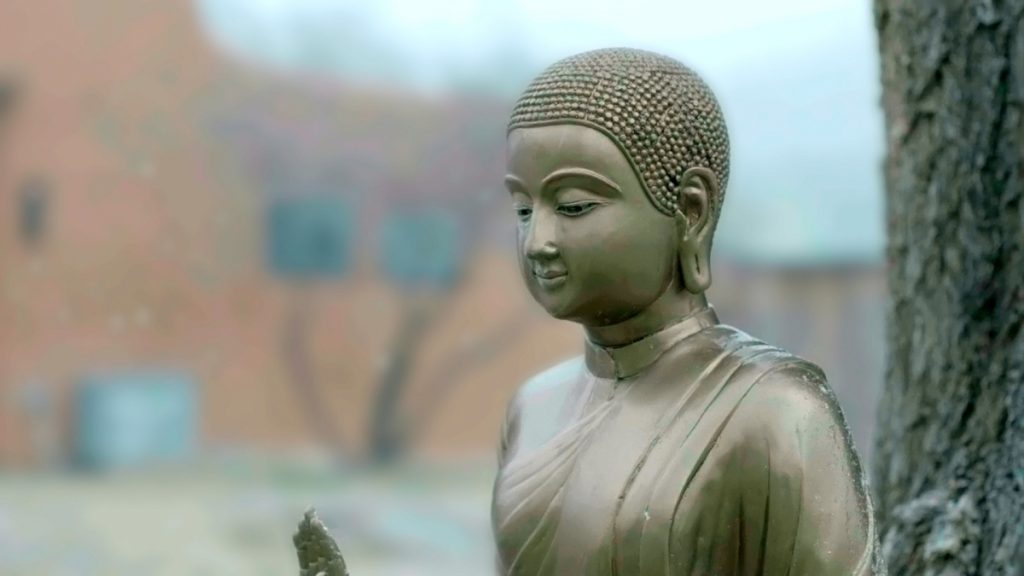
    Calmness is not weakness. A calm attitude at all times shows a man of culture. It is not too hard for one to be calm when things are favourable, but to be composed when things are wrong is hard indeed. It is this difficult quality that is worth achieving, for by exercing such calm and control, a man builds strength of character. ~Venerable Dr. K. Sri Dhammananda

    Photo credit: Randy Neufeldt

    Photo credit: Randy Neufeldt


  2. Spiritual enlightenment

    Comment

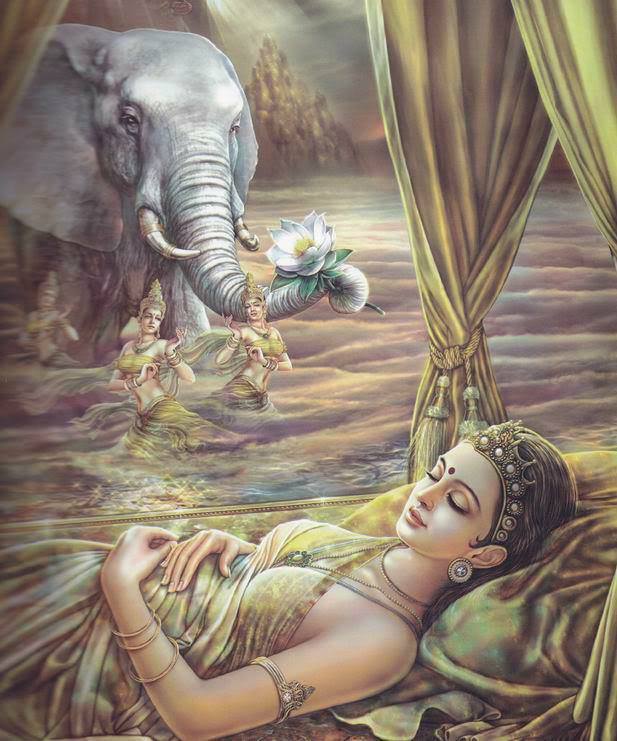
    Mothers are the Mothers of all Buddhas, and all Mothers live Prajna Paramita.

    Of course, raising kids is rewarding in many ways, and spiritual enlightenment is found through this process, too. But this enlightenment is found when there is no option but to push through the exhaustion, pain, fear and anger that comes with the responsibility of a child.

    Buddhas-Mother

  3. Right action proceeds right livelihood

    Comment

    Mothers hold their children’s hands for a short while, but their hearts forever. ~Unknown

    From right understanding proceeds right thought;
    from right thought proceeds right speech;
    from right speech proceeds right action;
    from right action proceeds right livelihood;
    from right livelihood proceeds right effort;
    from right effort proceeds right awareness;
    from right awareness proceeds right concentration;
    from right concentration proceeds right wisdom;
    from right wisdom proceeds right liberation.

    ~Buddha

    Little girl

  4. Learn to let go, and be happy

    Comment

    If you keep thinking of all the way in which others cheated you, fought with you,
    degraded you or angered you, your heart will forever be full of hatred.
    Learn to let go, and be happy. ~Buddha

    Nature scene -- May 8, 2015.

  5. There may be times

    Comment

    There may be times when those you love do not seem to care for you, and you are apt to have a heavy heart. But there is no just cause for dejection. What does anything matter so long as you know that you are full of compassion for your fellow men? One should never depend on others for one’s happiness. He who expects to secure satisfaction in life from others is worse than the beggar who kneels and cries for his daily bread. ~by Venerable Dr. K. Sri Dhammananda

    childreneatingicecream050615

  6. Gratitude is a rare virtue

    Comment

    The Buddha considered gratitude to be a great virtue. Yes, it is true that this virtue is rare in any society. You cannot always expect other people to be grateful to you for what you have done. People are inclined to be forgetful especially when it comes to remembering past favours. If people fail to show gratitude, you have to learn accept them as such – only then can you avoid disappointment. You can be happy regardless of whether people arẹ grateful for your kindness and help; you need only think and feel satisfied that you have done your noble duty as a human being to your fellow men. ~by Venerable Dr. K. Sri Dhammananda

  7. Compassion: Solidarity of the Heart

    Comment

    “Compassion is often thought of as akin to pity, but whereas pity may be condescending, compassion springs from a sense of the equality and interconnectedness of life. Genuine compassion is about empowering others, helping them unlock strength and courage from within their lives in order to overcome their problems.”

    The most basic wish of all people is to live happily. Yet human society is shaped by forces that work powerfully against this basic desire: from pervasive violence, to wanton environmental destruction, to the exploitation that structures such deep inequalities between people. Courtesy July 2010 SGI Quarterly

    “Buddha means the fully Enlighten One, perfect in Wisdom and Compassion. He got Enlighten without any help from others. He is known as the Teacher of Gods and Men. He is dead now. Dhamma, The Teachings of the Buddha, are helping us in our everyday life. The Buddha is therefore alive. The Dhamma teaches us to do good, avoid doing bad and make our mind happy. The Buddha wants us come and see his teachings and to think and ask questions when we are in doubt and to experience the goodness in it.” Source: D-Kidz


    Ananda

  8. What is the significance of the Buddhist offerings?

    1

    Traditionally, joss or incense sticks, candles, and flowers are three of the common offerings. Informed Buddhists will know that these items are not really ‘offerings’, but are actually just symbolic reminders.

    For example. joss sticks or incense remind us of the ‘fragrance’ of the Buddha’s Teachings which pervade the world. Candles represent His Teachings which light our way in darkness. And flowers remind us that our lives are impermanent, like the flowers we ‘offer’.

    Flowers when in bloom are beautiful and sweet smelling, but will fade and whither after only a few days. Similarly, all of us will eventually grow old and die. Therefore, the flowers remind us that we should use as much of our time as possible to do good for others, and to practice the Buddha’s Teachings. Source: Just be good

    flowerblooming


  9. As a practitioner

    Comment

    As a human being, you have the right to get angry; but as a practitioner,
    you do not have the right to stop practicing. ~Thich Nhat Hanh

    offeringbuddha

  10. When we speak

    Comment

    When we speak, we want to say something sweet, but we don’t say something sweet because something is ordering us from deep down to say something unkind. We want to open our hearts to people, but we can’t do it, because we are being ordered around by the sufferings we have concealed deep in our consciousness. ~Thich Nhat Hanh

    lake

Live & Die for Buddhism

candle

Me & Grandma

My Reflection

This site is a tribute to Buddhism. Buddhism has given me a tremendous inspiration to be who and where I am today. Although I came to America at a very young age, however, I never once forget who I am and where I came from. One thing I know for sure is I was born as a Buddhist, live as a Buddhist and will leave this earth as a Buddhist. I do not believe in superstition. I only believe in karma.

A Handful of Leaves

A Handful of Leaves

Tipitaka: The pali canon (Readings in Theravada Buddhism). A vast body of literature in English translation the texts add up to several thousand printed pages. Most -- but not all -- of the Canon has already been published in English over the years. Although only a small fraction of these texts are available here at Access to Insight, this collection can nonetheless be a very good place to start.

Major Differences

Major Differences in Buddhism

Major Differences in Buddhism: There is no almighty God in Buddhism. There is no one to hand out rewards or punishments on a supposedly Judgement Day ...read more

Problems we face today

jendhamuni pink scarfnature

Of the many problems we face today, some are natural calamities and must be accepted and faced with equanimity. Others, however, are of our own making, created by misunderstanding, and can be corrected...