
1. Mindfulness practice should be enjoyable
    Comment
    Buddha

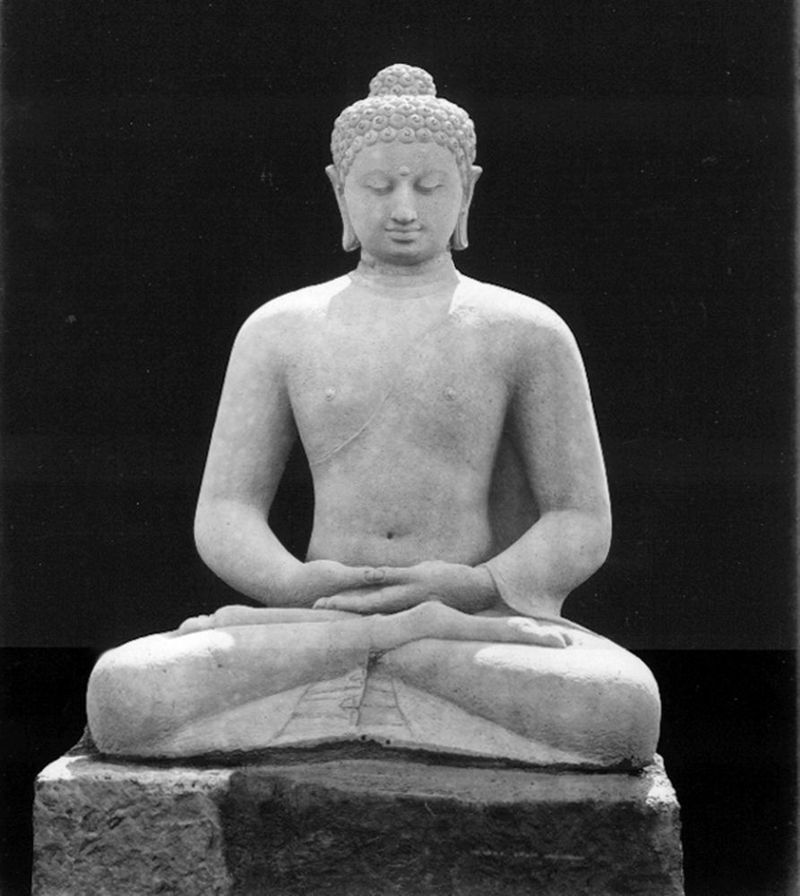
    Meditating Buddha

    Mindfulness is the energy that helps us recognize the conditions of happiness that are already present in our lives. You don’t have to wait ten years to experience this happiness. It is present in every moment of your daily life. There are those of us who are alive but don’t know it. But when you breathe in, and you are aware of your in-breath, you touch the miracle of being alive. That is why mindfulness is a source of happiness and joy.

    Most people are forgetful; they are not really there a lot of the time. Their mind is caught in their worries, their fears, their anger, and their regrets, and they are not mindful of being there. That state of being is called forgetfulness—you are there but you are not there. You are caught in the past or in the future. You are not there in the present moment, living your life deeply. That is forgetfulness.

    The opposite of forgetfulness is mindfulness. Mindfulness is when you are truly there, mind and body together. You breathe in and out mindfully, you bring your mind back to your body, and you are there. When your mind is there with your body, you are established in the present moment. Then you can recognize the many conditions of happiness that are in you and around you, and happiness just comes naturally.

    Mindfulness practice should be enjoyable, not work or effort. Do you have to make an effort to breath in? You don’t need to make an effort. To breathe in, you just breathe in. Suppose you are with a group of people contemplating a beautiful sunset. Do you have to make an effort to enjoy the beautiful sunset? No, you don’t have to make any effort. You just enjoy it. Continue reading

  2. Understanding the nature of life

    Comment

    By Venerable K. Sri Dhammananda

    Most people dislike facing the true facts of life and prefer to lull themselves into a false sense of security by sweet dreaming and imagining. They mistake the shadow for the substance. They fail to realise that life is uncertain, but that death is certain. One way of understanding life is to face and understand death which is nothing more than a temporary end to a temporary existence. But many people do not like even to hear of the word ‘ death’. They forget that death will come, whether they like it or not. Recollections on death with the right mental attitude can give a person courage and calmness as well as an insight into the nature of existence.

    Besides understanding death, we need a better understanding of our life. We are living a life that does not always proceed as smoothly as we would like it to. Very often, we face problems and difficulties. We should not be afraid of them because the penetration into the very nature of these problems and difficulties can provide us with a deeper insight into life. The worldly happiness in wealth, luxury, respectable positions in life which most people seek is an illusion. The fact that the sale of sleeping pills and tranquillizers, admissions to mental hospitals and suicide rates have increased in relation to modern material progress is enough testimony that we have to go beyond worldly, material pleasure to seek for real happiness.

    ស្ថានភាព​រស់នៅ​ក្នុង​ខ្ទម​កម្សត់​របស់​កុមារ ៣ ​នាក់​បងប្អូន​ដែល​ត្រូវ​បាន​ឪពុកម្ដាយ​បោះបង់​ចោល​។ រូបថត ហ្វេសប៊ុក

    ស្ថានភាព​រស់នៅ​ក្នុង​ខ្ទម​កម្សត់​របស់​កុមារ ៣ ​នាក់​បងប្អូន​ដែល​ត្រូវ​បាន​ឪពុកម្ដាយ​បោះបង់​ចោល​។ រូបថត ហ្វេសប៊ុក


  3. Virtuous deeds and merit

    Comment

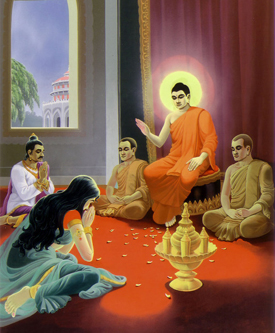
    Disciples offer Budha a bowl of gruel

    All the virtuous deeds and merit,
    Such as giving and making offerings,
    That we have accumulated over thousands of aeons
    Can be destroyed by just one moment of anger.

    There is no evil greater than anger,
    And no virtue greater than patience.
    Therefore, I should strive in various ways
    To become familiar with the practice of patience.

    If I harbor painful thoughts of anger,
    I shall not experience mental peace,
    I shall find no joy or happiness,
    And I shall be unsettled and unable to sleep.

    —Shantideva (687-763 C.E.)


  4. Our Actions

    Comment

    Our actions are all led by the mind;
    mind is their master, mind is their maker.
    If one acts or speaks with a defiled state of mind,
    then suffering follows like the cart-wheel
    that follows the foot of the ox.

    Our actions are all led by the mind;
    mind is their master, mind is their maker.
    If one acts or speaks with a pure state of mind,
    then happiness follows like a shadow
    that remains behind without departing.

    ~Dhammapada

    Buddha

  5. Do not fasten onto thoughts of the past

    Comment

    Nature in Cambodia

    People who like to gather up thoughts, worries, etc., to hold onto are no different from prisoners tied down with a ball and chain. To fasten onto thoughts of the past is like having a rope around your waist tied to a post behind you. To fasten onto thoughts of the future is like having a rope around your neck tied to a door in front. To fasten onto thoughts you like is like having a rope around your right wrist tied to a post on your right. To fasten onto thoughts you don’t like is like having a rope around your left wrist tied to a wall on your left. Whichever way you try to step, you’re pulled back by the rope on the opposite side, so how can you hope to get anywhere at all?

    As for people who have unshackled themselves from their thoughts, they stand tall and free like soldiers or warriors with weapons in both hands and no need to fear enemies from any direction. Any opponents who see them won’t dare come near, so they’re always sure to come out winning.

    But if we’re the type tied up with ropes on all sides, nobody’s going to fear us, because there’s no way we can take any kind of stance to fight them off. If enemies approach us, all we can do is dance around in one spot.

    So I ask that we all take a good look at ourselves and try to unshackle ourselves from all outside thoughts and preoccupations. Don’t let them get stuck in your heart. Your meditation will then give you results, your mind will advance to the transcendent, and you’re sure to come out winning someday.

    Source: Access to Insight
    Translated from the Thai by Thanissaro Bhikkhu

  6. The greatest battle-winner

    Comment

    Though you might conquer in battle
    A thousand times a thousand men,
    You’re the greatest battle-winner
    If you conquer just one – yourself.

    ~The Dhammapada

  7. Loving-kindness and Compassion

    Comment
    Water buffaloes in Cambodia

    Water buffaloes in Cambodia


    The Spirit of Free Inquiry: The spirit of free inquiry is an important feature of Buddhism. The Buddha encouraged people to investigate the truth of His Teachings for themselves before accepting his ideas. He never expected people to practise His Teaching out of ‘blind faith’ and superstition, but instead encouraged a free spirit of questions and contemplation. Buddhists believe that people should accept and practise Teachings and lifestyles they find, through their own experience, to be physically and mentally beneficial.

    Self-reliance: Buddhism also stresses the importance of self-reliance and individual effort. There are the two main ways that Buddhists focus on self-reliance. Firstly, each person must work out for themselves the way to end their own suffering and attain happiness. And secondly, it is up to each person to realise that it is their own actions that determine their future. In Buddhists thinking, each individual’s destiny is not determined by an outside power but by the way we live our own lives and our personal attitudes to suffering, happiness and the world around us. This means that every one of us is responsible for our own actions. Every one of us can progress or develop only as much as our own efforts allow. Buddhists learn that dedication, self-discipline and wise judgment are the keys to reaching the highest goals in life.

    Tolerance: Because Buddhism respects the right of all people to inquire freely and to make their own choices, it also teaches tolerance toward other faiths and ways of life. Buddhist students are taught to live in harmony with everybody, regardless of race or religion.

    Loving-kindness and Compassion: All living things are equal to a Buddhist. Universal loving-kindness, (a gentle and warm approach to life) together with a compassionate attitude, are the main ways that Buddhists accept not only other people, but all other creatures. All living things, humans and animals alike, share the same environment — we are all part of the same world, as we know from learning about the environment and about nature. If people want to live happily, Buddhism teaches that we must each have concern for the welfare of the other living things that we are here sharing the world with. Continue reading

  8. The Wise Person Straightens The Mind

    Comment

    Mind agitated, wavering,
    hard to guard and hard to check,
    one of wisdom renders straight
    as arrow-maker a shaft.

    Explanation: In the Dhammapada there are several references to the craftsmanship of the fletcher. The Buddha seems to have observed the process through which a fletcher transforms an ordinary stick into an efficient arrow-shaft. The disciplining of the mind is seen as being a parallel process. In this stanza the Buddha says that the wise one straightens and steadies the vacillating mind that is difficult to guard, like a fletcher straightening an arrow-shaft.

    Source: BuddhaNet

  9. Many people never learn this

    Comment
    Farmers

    Farmers in Cambodia


    by Ven. Dr. K. Sri Dhammananda

    Happiness and Materialism

    Many people believe they can solve all their problems if only they have money; but they fail to realise that money itself has its attendant problems. Money alone cannot solve all problems.

    Many people never learn this and all their lives they rush about using all their energy trying to collect may more “gadgets”, and when they have them they find that these do not satisfy them, but they must have other “things and more gadgets”. In fact, the more they have the more they desire to have; so they can never be happy or content.

    The following advice gives us tremendous consolation to make up our mind when we lose something:-

    “Say not that this is yours and that is mine,
    Just say, this came to you and that to me,
    So we may not regret the fading shine,
    Of all the glorious things which ceased to be.”

    Wealth is not something for you to dump somewhere and to crave for. It is for you to make use of for your welfare as well as others. If you spend your time by only clinging to your property without even fulfilling your obligations towards your country, your people and your religion you may find that when the time comes for you to leave, this world will still be plagued with worries. You will not be benefited with that property which you have so painstakingly collected.

    To hope for wealth and gain through gambling is like hoping for shelter from the sun through the clouds, whereas to hope for progress and prosperity through diligence in work is like building a permanent house as a shelter from the sun and rain.

    “Your property will remain when you die. Your friends and relatives will follow you up to your grave. But only good or bad actions you have done during your life-time will follow you beyond the grave.” Continue reading

  10. We create them in our own minds

    Comment

    Jendhamuni at the airportby Ven. Dr. K. Sri Dhammananda

    Worry and Fear

    Worries and miseries are twin evils that go hand in hand. They co-exist in this world. If you feel worried, you are miserable! If you are miserable, you are worried. We must face facts. Although we cannot run away from them, we must not let these twin evils of worry and misery overcome us. We must overcome them. We can do so by our own human efforts, correctly directed with determination and patience. With proper understanding and carefully applied intelligence, we should be able to subdue our emotional feelings and do away with worries and miseries.

    Our worries are of our own making. We create them in our own minds, through our inability or failure to understand the danger of our egoistic feelings and our inflated and false values of things. If only we could see things in their proper perspective in that nothing is permanent in this world and that our own egoistic self is our wild imagination running riot in our untrained mind, we should be going a long way to finding the remedy to eradicate our worries and miseries. We must cultivate our minds and hearts to forget about self and to be of service and use to humanity. This is one of the means whereby we can find real peace and happiness.

    Many people have longings and hankering, fear and anxieties which they have not learnt to sublimate and are ashamed to admit them even to themselves. But these unwholesome emotions have force. No matter how we may try to bottle them up they seek a release by disordering the physical machinery resulting in chronic illnesses. All these can be repelled by correct methods of meditation or mental culture, because the untrained mind is the main cause of such worries.

    Whenever you have worries in your mind, don’t show your sulky face to each and every person you come across. You should reveal your worries only to those who really can help you. How nice it would be if you could maintain your smiling face in spite of all the difficulties confronting you. This is not very difficult if only you really try.

    Link source

Live & Die for Buddhism

candle

Me & Grandma

My Reflection

This site is a tribute to Buddhism. Buddhism has given me a tremendous inspiration to be who and where I am today. Although I came to America at a very young age, however, I never once forget who I am and where I came from. One thing I know for sure is I was born as a Buddhist, live as a Buddhist and will leave this earth as a Buddhist. I do not believe in superstition. I only believe in karma.

A Handful of Leaves

A Handful of Leaves

Tipitaka: The pali canon (Readings in Theravada Buddhism). A vast body of literature in English translation the texts add up to several thousand printed pages. Most -- but not all -- of the Canon has already been published in English over the years. Although only a small fraction of these texts are available here at Access to Insight, this collection can nonetheless be a very good place to start.

Major Differences

Major Differences in Buddhism

Major Differences in Buddhism: There is no almighty God in Buddhism. There is no one to hand out rewards or punishments on a supposedly Judgement Day ...read more

Problems we face today

jendhamuni pink scarfnature

Of the many problems we face today, some are natural calamities and must be accepted and faced with equanimity. Others, however, are of our own making, created by misunderstanding, and can be corrected...