1. The Key

    Comment

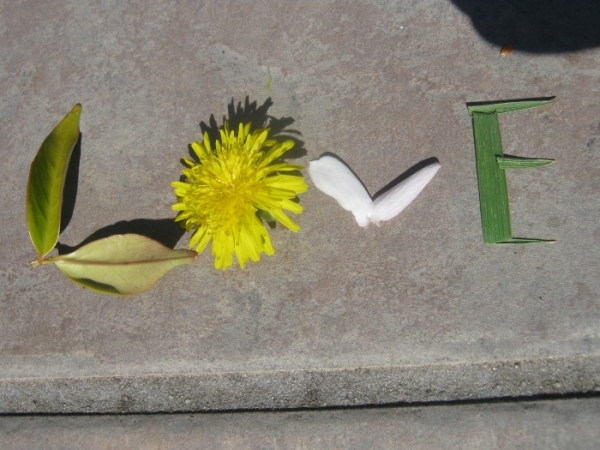
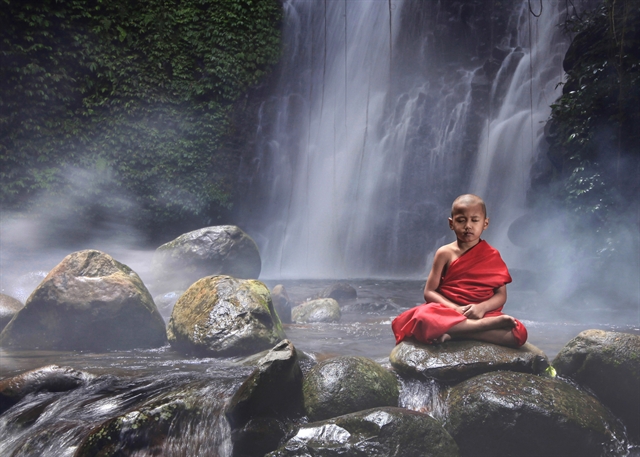
    While we waited for freedom to take us away from our fear
    We searched the earth for love as we knew the key to be
    Is the silence which led us here. ~silent lotus

    jmediationonrock062214b

  2. Control your Mind

    Comment

    Do you need or enjoy fear, worries and restlessness?
    If you don’t, then why do you keep inviting them into your mind?

    ~Remez Sasson

    monks

  3. Pleasure of Life

    192

    Feel the pleasure of life
    in every second.
    Never be angry or sad,
    Because every 1 minute of your sadness
    you lose 60 seconds of happiness…
    Keep smiling.

    Source: desicomments

  4. Don’t allow someone’s bad behavior to cause you to be someone you are not

    93

    Don’t allow someone’s bad behavior to cause you to be someone you are not. Unknown

    3 Simple Things You Can Do To Not Be Bothered By People’s Bad Behavior

    “What we do today improves all of our tomorrows.”

    In order to live the life we want, enjoy the moment in front of us and feel good as we move through the day, we always want the best energy flowing. We want to be able to pour all of our good passion and energy into whatever it is we are trying create and that means we never want to allow anyone or anything to get in the way of doing that.

    The Possibility of Today:

    1. Realize maintaining your peace of mind and good mood is something you can get better and better at. It’s a muscle that has to be strengthened and every time you push yourself to react calmly and not get bothered or upset by someone else’s bad behavior, you strengthen your “peace of mind muscle”.

    2. Look at every situation as a test and an opportunity to strengthen your “peace of mind muscle”. As soon as something happens that would normally trigger you getting bothered, immediately decide you aren’t going to get sucked in. Remind yourself it’s just not worth it. Let any anger or frustration rise to the surface, but then choose to put your attention on something else that is more positive. Eventually, any anger or frustration will evaporate as long as you commit to not getting worked up.

    3. Go get your “You Time” after an incident. Go for a walk, listen to your favorite song, do whatever you need to in order to preserve your peace of mind. You want to be at least an 8 on the “peace of mind scale”. If something happens that drops you down to anything less, notice that you are a little off and keep doing things that will help restore you to an 8.

    Source: Possibility of today

     

  5. 7 Reasons Not to Speak When You Are Angry

    179

    Seven things to think about before you open your mouth…
    1. You may not know all the facts.
    2. You may speak too quickly.
    3. You may say too much.
    4. You may use the truth as a club to hurt others.
    5. You may say something you regret later.
    6. You may hurt innocent bystanders.
    7. You may reveal your own weakness.

    ~Dr. Ray Pritchard


  6. Don’t rejoice when those who hurt you are facing trouble

    40

    Compassion compels us to reach out to all living beings, including our so-called enemies, those people who upset or hurt us. Irrespective of what they do to you, if you remember that all beings like you are only trying to be happy, you will find it much easier to develop compassion towards them. Usually your sense of compassion is limited and biased. We extend such feelings only towards our family and friends or those who are helpful to us. People we perceive as enemies and others to whom we are indifferent are excluded from our concern. That is not genuine compassion. True compassion is universal in scope. It is accompanied by a feeling of responsibility. To act altruistically, concerned only for the welfare of others, with no selfish or ulterior motives, is to affirm a sense of universal responsibility. ~Dalai Lama


  7. 7 Smart Ways to Deal with Toxic People

    1

    1.  Move on without them.
    2.  Stop pretending their toxic behavior is OK.
    3.  Speak up!
    4.  Put your foot down.
    5.  Don’t take their toxic behavior personally.
    6.  Practice practical compassion.
    7.  Take time for yourself.

    By Marc and Angel


  8. Practice Peace

    35

    Peace is built on the foundations of other spiritual practices: connections, compassion, justice, unity. It is a goal of all spiritual people. Peace is an inner state of well-being and calm. It is also an outer project of promoting nonviolence, conflict resolution, and cooperation in the world.

    Practice peace by refusing to participate in violence either directly or indirectly. Try to stay composed no matter how agitated the people around you become. Meet conflict with equanimity. Disarm yourself — lower your guard — as a first step in disarming the world.

    The inner mirrors the outer. Those conditions that upset the equilibrium of the world — anger, aggression, discord — upset our inner peace as well. You need to deal with them on both levels. Encounters with violence — a contrast to peace — invariably demonstrate the importance of this practice.

    Feeling worried, upset, or “crazed” can also get you started doing peace. These states often signify that your emotions have gotten the best of you, and a practice to restore your equanimity is needed. Being even-tempered creates a feeling of serenity. And whereas being agitated can drain your energy, inner calm increases your stamina so that you can sustain your efforts to make the world a more peaceful place. This time the inner supports the outer.

    Source: Spirituality and Practice


  9. You deserve to be happy

    270

    Don’t be upset and get caught up with things or people that cannot change. Instead, move on, let go and focus on what you are able to change. The things that enhance your life. You deserve to be happy. Source: sms4smile

  10. Never make a decision

    Comment

    When you’re upset never make
    a decision you will never come up
    with a good solution. ~Unknown


Live & Die for Buddhism

candle

Khmer Tipitaka 1 – 110

 ព្រះត្រៃបិដក

ព្រះត្រៃបិដក ប្រែថា កញ្រ្ចែង ឬ ល្អី​ ៣ សម្រាប់ដាក់ផ្ទុកពាក្យពេចន៍នៃព្រះសម្មាសម្ពុទ្ធ

The Tipitaka or Pali canon, is the collection of primary Pali language texts which form the doctrinal foundation of Theravada Buddhism. The three divisions of the Tipitaka are: Vinaya Pitaka, Sutta Pitaka, Abhidhamma Pitaka.

Maha Ghosananda

Maha Ghosananda

Supreme Patriarch of Cambodian Buddhism (5/23/1913 - 3/12/07). Forever in my heart...

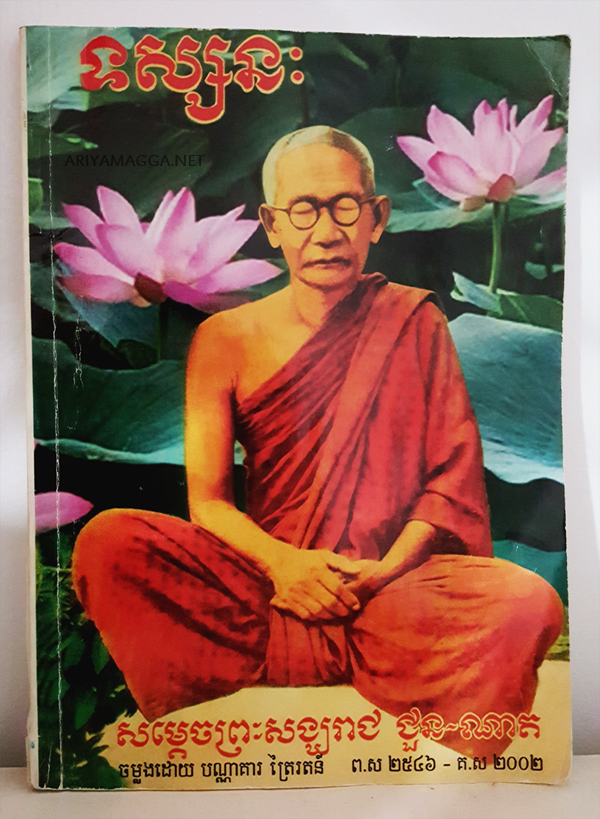
Samdech Chuon Nath

My reflection

វចនានុក្រមសម្តេចសង្ឃ ជួន ណាត
Desktop version

Listen to Khmer literature and Dhamma talk by His Holiness Jotannano Chuon Nath, Supreme Patriarch of Cambodia Buddhism.

Shantidevas’ Bodhisattva vows

My reflection

Should anyone wish to ridicule me and make me an object of jest and scorn why should I possibly care if I have dedicated myself to others?

Let them do as they wish with me so long as it does not harm them. May no one who encounters me ever have an insignificant contact.

Regardless whether those whom I meet respond towards me with anger or faith, may the mere fact of our meeting contribute to the fulfilment of their wishes.

May the slander, harm and all forms of abuse that anyone should direct towards me act as a cause of their enlightenment.

As a solid rock is not shaken by the wind, so the wise are not shaken by blame and praise. As a deep lake is clear and calm, so the wise become tranquil after they listened to the truth…

Good people walk on regardless of what happens to them. Good people do not babble on about their desires. Whether touched by happiness or by sorrow, the wise never appear elated or depressed. ~The Dhammapada

Hermit of Tbeng Mountain

Sachjang Phnom Tbeng សច្ចំ​​ ភ្នំត្បែង is a very long and interesting story written by Mr. Chhea Sokoan, read by Jendhamuni Sos. You can click on the links below to listen. Part 1 | Part 2

Beauty in nature

A beautiful object has no intrinsic quality that is good for the mind, nor an ugly object any intrinsic power to harm it. Beautiful and ugly are just projections of the mind. The ability to cause happiness or suffering is not a property of the outer object itself. For example, the sight of a particular individual can cause happiness to one person and suffering to another. It is the mind that attributes such qualities to the perceived object. — Dilgo Khyentse Rinpoche

Nature is loved by what is best in us. The sky, the mountain, the tree, the animal, give us a delight in and for themselves. — Ralph Waldo Emerson


Our journey for peace
begins today and every day.
Each step is a prayer,
Each step is a meditation,
Each step will build a bridge.

—​​​ Maha Ghosananda