1. Of the many problems we face today

    136
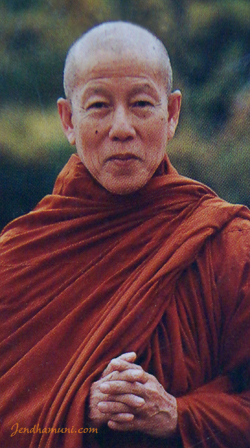
    Jendhamuni in the garden

    Jendhamuni in the garden

    Solving Human Problems through Transforming Human Attitudes

    Of the many problems we face today, some are natural calamities and must be accepted and faced with equanimity. Others, however, are of our own making, created by misunderstanding, and can be corrected. One such type arises from the conflict of ideologies, political or religious, when people fight each other for petty ends, losing sight of the basic humanity that binds us all together as a single human family. We must remember that the different religions, ideologies, and political systems of the world are meant for human beings to achieve happiness. We must not lose sight of this fundamental goal and at no time should we place means above ends; the supremacy of humanity over matter and ideology must always be maintained. ~Daila Lama

  2. “Shaun” the sheep could be the world’s woolliest

    Comment

    A sheep who has gone unshorn for years could be sporting a record-setting wool coat.
    Katie Sargent reports. Is this sheep the wooliest in the world?

    Shaun the merino sheep was found wandering the Tasmanian countryside over
    the weekend, sporting this unusually heavy wool coat. He’s likely never been shorn

  3. The art of meeting halfway in relationships

    Comment


    We must maintain reserve in our relationships until the coming to meet is mutual.  Maintaining “reserve” is the correct action (or nonaction) during turbulence and communication breakdown

    Coming to meet halfway is possible only between people who are mutually honest and sincere in their way of life.  It is the great joy of such relationships that they are full of mutual trust and sensitivity

    When a person returns to the path of “responding correctly” (being open and receptive) we likewise go to meet him (or her) halfway, rather than tell him he is doing things correctly. In this way he comes to relating correctly from his own need to relate correctly and we do not force it on him.  Our consistence and discipline in feeling out each moment and responding to it does the work. Source: artrosengarten


  4. We’re not just residents on this planet

    Comment

    We’re not passengers on Spaceship Earth, we’re the crew.
    We’re not just residents on this planet, we’re citizens.
    The difference in both cases is responsibility.

    ~Russell

  5. With Love alone…

    Comment

    Love means wishing others to be happy. Love is about what we give not what we get.

    Practice doing something for someone each day with love alone. Do it without expecting anything in return. Do it without anyone knowing it. For example, you can pray for your friends or family members who live far away. You can send email, text, or a letter to someone whom you have not been in touch with for quite a while. Give compliments to other people. You can give a smile to a stranger passing by. You can pet your dog or cat. Do small things with great love each day. And watch your heart expand to more love.

    Source: wikiHow

  6. With Love alone

    66

    Love means wishing others to be happy. Love is about what we give not what we get.

    Practice doing something for someone each day with love alone. Do it without expecting anything in return. Do it without anyone knowing it. For example, you can pray for your friends or family members who live far away. You can send email, text, or a letter to someone whom you have not been in touch with for quite a while. Give compliments to other people. You can give a smile to a stranger passing by. You can pet your dog or cat. Do small things with great love each day. And watch your heart expand to more love.

    Source: wikiHow

    http://leelavadeeflower.blogspot.com/2014/09/with-love-alone.html

  7. Compassion is the ground of happiness

    Comment

    People who lack compassion, love, and forgiveness suffer a lot.
    When you can forgive, when you can accept, you feel light,
    you can relate to other living beings.
    Without compassion, you are utterly alone.
    That is why compassion is the ground of happiness.

     ~Thich Nhat Hanh


Live & Die for Buddhism

candle

Khmer Tipitaka 1 – 110

 ព្រះត្រៃបិដក

ព្រះត្រៃបិដក ប្រែថា កញ្រ្ចែង ឬ ល្អី​ ៣ សម្រាប់ដាក់ផ្ទុកពាក្យពេចន៍នៃព្រះសម្មាសម្ពុទ្ធ

The Tipitaka or Pali canon, is the collection of primary Pali language texts which form the doctrinal foundation of Theravada Buddhism. The three divisions of the Tipitaka are: Vinaya Pitaka, Sutta Pitaka, Abhidhamma Pitaka.

Maha Ghosananda

Maha Ghosananda

Supreme Patriarch of Cambodian Buddhism (5/23/1913 - 3/12/07). Forever in my heart...

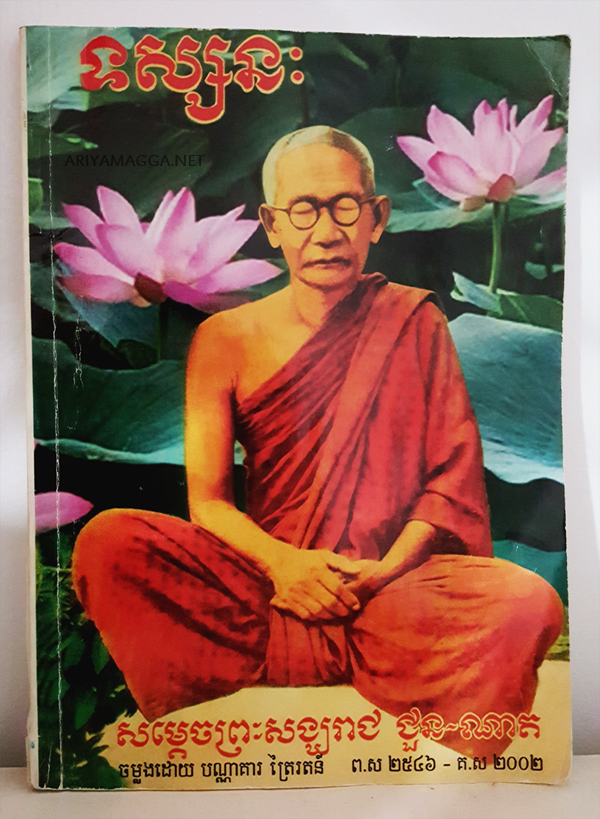
Samdech Chuon Nath

My reflection

វចនានុក្រមសម្តេចសង្ឃ ជួន ណាត
Desktop version

Listen to Khmer literature and Dhamma talk by His Holiness Jotannano Chuon Nath, Supreme Patriarch of Cambodia Buddhism.

Shantidevas’ Bodhisattva vows

My reflection

Should anyone wish to ridicule me and make me an object of jest and scorn why should I possibly care if I have dedicated myself to others?

Let them do as they wish with me so long as it does not harm them. May no one who encounters me ever have an insignificant contact.

Regardless whether those whom I meet respond towards me with anger or faith, may the mere fact of our meeting contribute to the fulfilment of their wishes.

May the slander, harm and all forms of abuse that anyone should direct towards me act as a cause of their enlightenment.

As a solid rock is not shaken by the wind, so the wise are not shaken by blame and praise. As a deep lake is clear and calm, so the wise become tranquil after they listened to the truth…

Good people walk on regardless of what happens to them. Good people do not babble on about their desires. Whether touched by happiness or by sorrow, the wise never appear elated or depressed. ~The Dhammapada

Hermit of Tbeng Mountain

Sachjang Phnom Tbeng សច្ចំ​​ ភ្នំត្បែង is a very long and interesting story written by Mr. Chhea Sokoan, read by Jendhamuni Sos. You can click on the links below to listen. Part 1 | Part 2

Beauty in nature

A beautiful object has no intrinsic quality that is good for the mind, nor an ugly object any intrinsic power to harm it. Beautiful and ugly are just projections of the mind. The ability to cause happiness or suffering is not a property of the outer object itself. For example, the sight of a particular individual can cause happiness to one person and suffering to another. It is the mind that attributes such qualities to the perceived object. — Dilgo Khyentse Rinpoche

Nature is loved by what is best in us. The sky, the mountain, the tree, the animal, give us a delight in and for themselves. — Ralph Waldo Emerson


Our journey for peace
begins today and every day.
Each step is a prayer,
Each step is a meditation,
Each step will build a bridge.

—​​​ Maha Ghosananda