1. What is unconditional love?

    1

    Within the relationship itself, unconditional love is the ability to love the other person as they are in their essence. If you have fallen in love with this person and want to build a lasting relationship with them, then you must view them as a unique individual — not as an extension of yourself.

    When you find someone who loves you as you are, and you are able to love them as they are,  it is an amazing experience. They may be different from you in many ways. They may view the world differently and have habits that you don’t share, but you can embrace these differences because they are part of this unique person you love.

    But is love enough to build a lasting relationship? And does unconditional love mean that no matter what your partner does, your feelings don’t change?

    The answer is “no” to both.

    Unconditional love within the context of a good relationship is a dance in which both partners participate. You begin with the essentials of self-love and mutual love and respect. You see and embrace the core of the other, their innate personality and worldview. You acknowledge the influences of their upbringing, life experiences, and ingrained behaviors.
    But . . . unconditional love within the context of a lasting relationship requires lots of wiggle room. As part of self-love, you know your own personal boundaries and the limits of what you find to be acceptable and healthy behaviors and reactions from your beloved.

    When both partners are aware of their personal boundaries and are committed to communicating them in loving and non-threatening ways, then the relationship can continue to recalibrate and grow ever stronger over the years.

    With the ability to communicate openly, negotiate willingly, and compromise and make adjustments, you can build a strong relationship in which unconditional love develops and grows more satisfying over time.

    For both partners, unconditional love means putting the health of the relationship above all else. This is a conscious decision made by both people. . .

    By Barrie Davenport
    Source: livebold and bloom

  2. Unconditional Love: The Key To Lasting Relationships

    Comment

    “Love… What is love? Love is to love someone for who they are, 
    who they were, and who they will be.” ~Chris Moore

    Have you ever been in a relationship where you felt it was the other person’s job to make you happy, to meet all of your needs, to understand you and know what you want without asking?

    Or have you been on the other side of this scenario? You were the partner expected to fulfill the other person and manage their happiness.

    Either situation is perpetually frustrating. One partner never feels happy and content in the relationship because they are looking to the other person to perform the impossible.

    Lasting relationships simply cannot be built upon a partnership in which one or both people are seeking a host organism to provide emotional and psychological nourishment.
    Lasting relationships require unconditional love.

    The term “unconditional love” might imply that one does attempt to meet all of the needs of the other, to read their minds, to accept and overlook all of the partner’s behaviors and actions no matter how selfish or demanding.

    But this is not unconditional love. This is co-dependent love. It’s not grounded in a healthy foundation of self-respect and respect for the unique individual sharing the relationship with you.

    By Barrie Davenport
    Source: livebold and bloom
  3. First photo taken by my Mother

    267
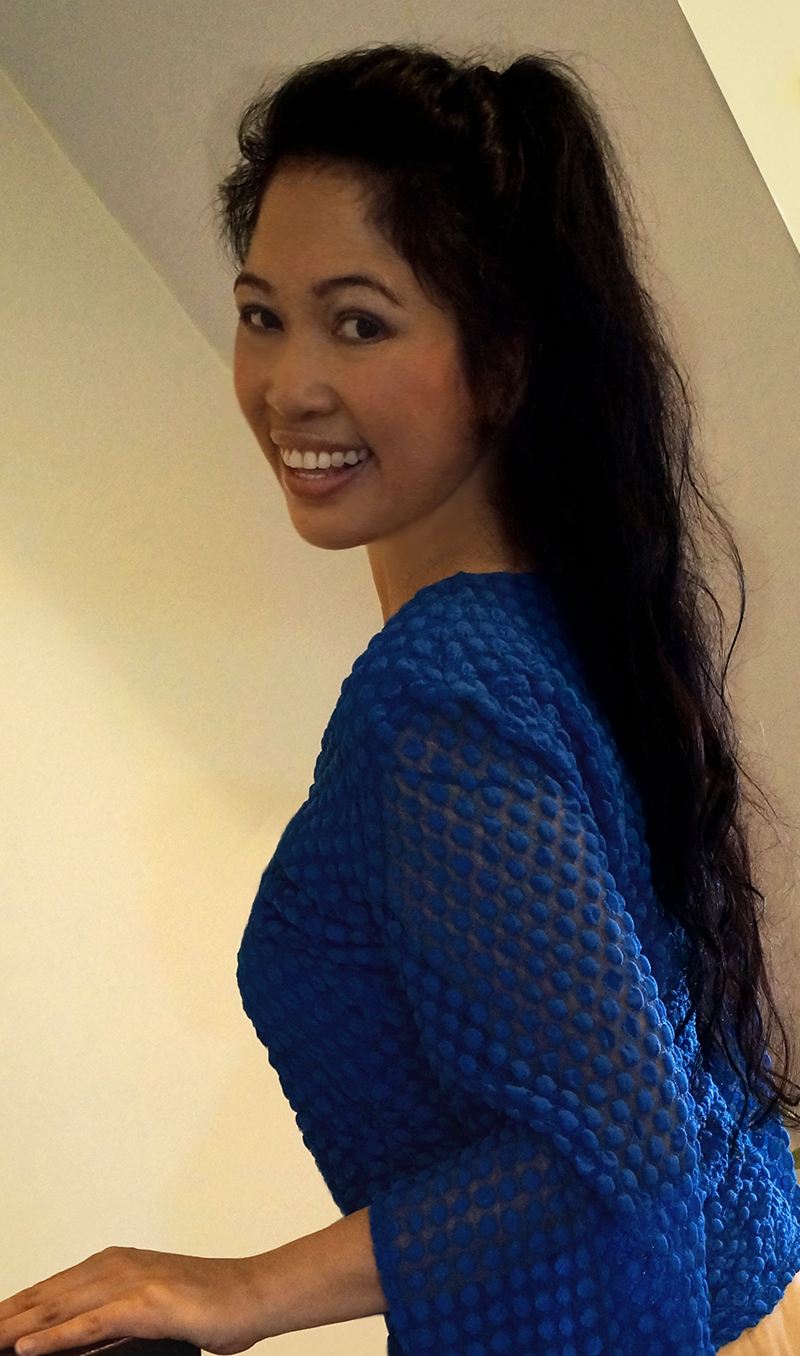
    My mother just learned how to take photo this morning. This is a very first snapshot from her. She said she could not find the other half of my body. That’s why you only see the top half of Jendhamuni underneath a few branches with a nervous smile! My mother said she loves those leaves hanging above my head very much!

    http://leelavadeeflower.blogspot.com/2014/07/first-photo-taken-by-my-mother.html

  4. Middle East Israeli fire kills refugees in Gaza UN school

    95

    So sad to see the innocent look of the poor little girl…
    Israeli shells have struck a UN school in the Gaza Strip, killing at least 19 people and wounding scores more, after Israeli ground troops made a significant push into the territory.

    Wednesday’s shelling of the Jabaliya refugee camp was the second time in a week that a UN school sheltering hundreds of homeless Palestinians had been hit, with the latest violence pushing the Gaza death toll over 1,280.

    http://kimedia.blogspot.com/2014/07/middle-east-israeli-fire-kills-refugees.html

  5. Your reactions…

    1

    Hold in your reactions. When you feel like you want to react to a situation, hold in the tears or shouting. Think about how you feel before you let yourself react. Once you start, it’s easy to snowball into a bigger reaction than the situation is really worth. Don’t bottle your emotions but do think of a better way to express them or save them until you are in a better, safer place.

    • Waiting until the next day to talk to someone who upsets you, for example, can be really good. You’ll have the chance to calm down and you’ll be better able to defend and express yourself.

    Keep some perspective. Think about the situation that’s happening around you and think about how it affects your life. Is it really as big a deal as it seems or is it really only going to set you off a little. Compare it to other problems that people might have, like getting cancer or having your house flood. Is it really that big a deal? No? Then don’t sweat it. Learning to let the small things slide off of you can really make a huge difference in how you experience your life.

    Source: wikiHow

  6. Patience is the begetter of calm

    Comment

    Be patient. Patience is the begetter of calm. Impatience is the source of agitation and turbulence. Impatience says “I want it NOW” and when “it” doesn’t appear now, you’re liable to lose your temper and let the blood pressure rise. Impatience is often linked to unreasonable expectations about the world and other people (you expect too much of both yourself and of other people) and is often linked to perfectionism, which allows of no space to make errors or slow down. A calm person, on the other hand, is fully aware that errors occur sometimes and that speeding things up is liable to bring on errors, not alleviate them.

    • If you catch yourself wanting to rush to do something, stop an evaluate the situation. Will someone die if you don’t get what you need right now? If not, consider that stressing about this situation will only make your life worse and might even impair your judgement.
    • If you’re still having trouble being patient, you might just need to practice more. Start by trying to be patient with small things, like waiting in line at the grocery store. Distract yourself by reading all of the headlines on the trashy magazines in the checkout line. Work you way up to more challenging areas in your life, like road rage or dealing with your kids.

    Source: wikiHow

  7. Your reactions

    180

    Hold in your reactions. When you feel like you want to react to a situation, hold in the tears or shouting. Think about how you feel before you let yourself react. Once you start, it's easy to snowball into a bigger reaction than the situation is really worth. Don't bottle your emotions but do think of a better way to express them or save them until you are in a better, safer place.

    Waiting until the next day to talk to someone who upsets you, for example, can be really good. You'll have the chance to calm down and you'll be better able to defend and express yourself.

    Keep some perspective. Think about the situation that's happening around you and think about how it affects your life. Is it really as big a deal as it seems or is it really only going to set you off a little. Compare it to other problems that people might have, like getting cancer or having your house flood. Is it really that big a deal? No? Then don't sweat it. Learning to let the small things slide off of you can really make a huge difference in how you experience your life.

    Source: wikiHow

    http://leelavadeeflower.blogspot.com/2014/07/your-reactions.html

  8. Love and be loved

    Comment

    Part of our nature requires solitude, alone time, and a substantial rugged individualism. But this isn’t the whole story of our nature. We feel happier, warmer and better, live longer, and experience life as more meaningful if we love and let ourselves be loved. We must be individuals but we must also relate. To do both, to both be ourselves and relate, requires that we acknowledge the reality of others, include others in our plans, not only speak but listen, and makes ourselves fit by eliminating our more egregious faults and by growing up.

    Nothing causes more emotional distress than the thoughts we think. We must do a better job than we usually do of identifying the thoughts that don’t serve us, disputing them and demanding that they go away, and substituting more useful thoughts. Thinking thoughts that do not serve you is the equivalent of serving yourself up emotional distress. Only you can get a grip on your own mind; if you won’t do that work, you will live in distress.

    Source: Psychology Today

  9. Let your light shine…

    Comment

    Don’t hide yourself from others. Let your light shine. Be yourself.
    Learn to feel good about yourself and respect who you are.
    Genuine people are attractive people. The world needs
    the unique you not a scaled down version of you.

    Source: The Bold of Life


Live & Die for Buddhism

candle

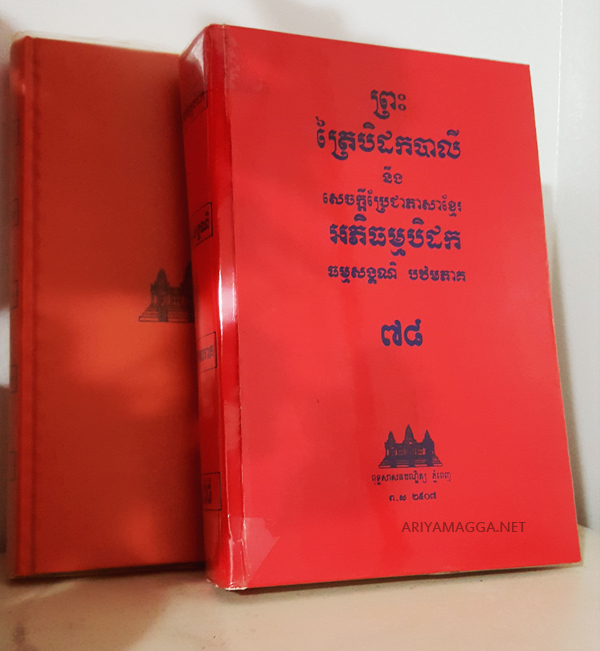
Khmer Tipitaka 1 – 110

 ព្រះត្រៃបិដក

ព្រះត្រៃបិដក ប្រែថា កញ្រ្ចែង ឬ ល្អី​ ៣ សម្រាប់ដាក់ផ្ទុកពាក្យពេចន៍នៃព្រះសម្មាសម្ពុទ្ធ

The Tipitaka or Pali canon, is the collection of primary Pali language texts which form the doctrinal foundation of Theravada Buddhism. The three divisions of the Tipitaka are: Vinaya Pitaka, Sutta Pitaka, Abhidhamma Pitaka.

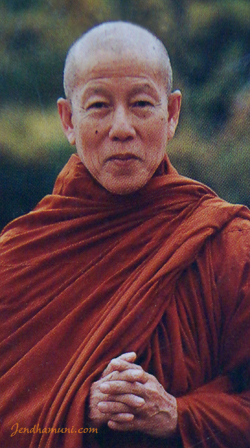
Maha Ghosananda

Maha Ghosananda

Supreme Patriarch of Cambodian Buddhism (5/23/1913 - 3/12/07). Forever in my heart...

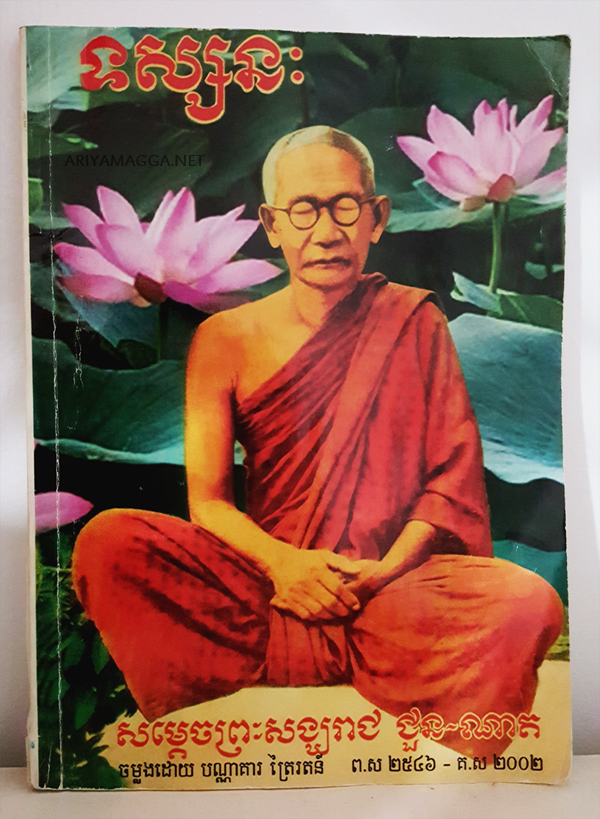
Samdech Chuon Nath

My reflection

វចនានុក្រមសម្តេចសង្ឃ ជួន ណាត
Desktop version

Listen to Khmer literature and Dhamma talk by His Holiness Jotannano Chuon Nath, Supreme Patriarch of Cambodia Buddhism.

Shantidevas’ Bodhisattva vows

My reflection

Should anyone wish to ridicule me and make me an object of jest and scorn why should I possibly care if I have dedicated myself to others?

Let them do as they wish with me so long as it does not harm them. May no one who encounters me ever have an insignificant contact.

Regardless whether those whom I meet respond towards me with anger or faith, may the mere fact of our meeting contribute to the fulfilment of their wishes.

May the slander, harm and all forms of abuse that anyone should direct towards me act as a cause of their enlightenment.

As a solid rock is not shaken by the wind, so the wise are not shaken by blame and praise. As a deep lake is clear and calm, so the wise become tranquil after they listened to the truth…

Good people walk on regardless of what happens to them. Good people do not babble on about their desires. Whether touched by happiness or by sorrow, the wise never appear elated or depressed. ~The Dhammapada

Hermit of Tbeng Mountain

Sachjang Phnom Tbeng សច្ចំ​​ ភ្នំត្បែង is a very long and interesting story written by Mr. Chhea Sokoan, read by Jendhamuni Sos. You can click on the links below to listen. Part 1 | Part 2

Beauty in nature

A beautiful object has no intrinsic quality that is good for the mind, nor an ugly object any intrinsic power to harm it. Beautiful and ugly are just projections of the mind. The ability to cause happiness or suffering is not a property of the outer object itself. For example, the sight of a particular individual can cause happiness to one person and suffering to another. It is the mind that attributes such qualities to the perceived object. — Dilgo Khyentse Rinpoche

Nature is loved by what is best in us. The sky, the mountain, the tree, the animal, give us a delight in and for themselves. — Ralph Waldo Emerson


Our journey for peace
begins today and every day.
Each step is a prayer,
Each step is a meditation,
Each step will build a bridge.

—​​​ Maha Ghosananda