1. Temporarily polluted water

    2

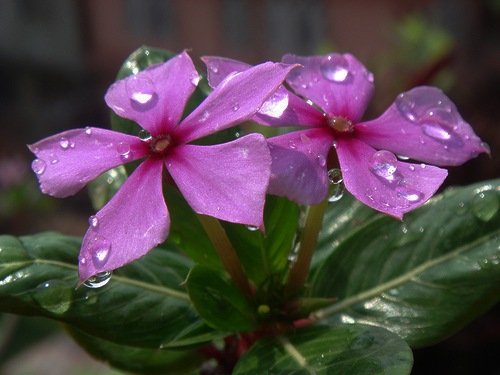
    The Buddha often compared natural mind to water, which in its essence is always clear and clean. Mud, sediment, and other impurities may temporarily darken or pollute the water, but we can filter away such impurities and restore its natural clarity. ~ Mingyur Rinpoche

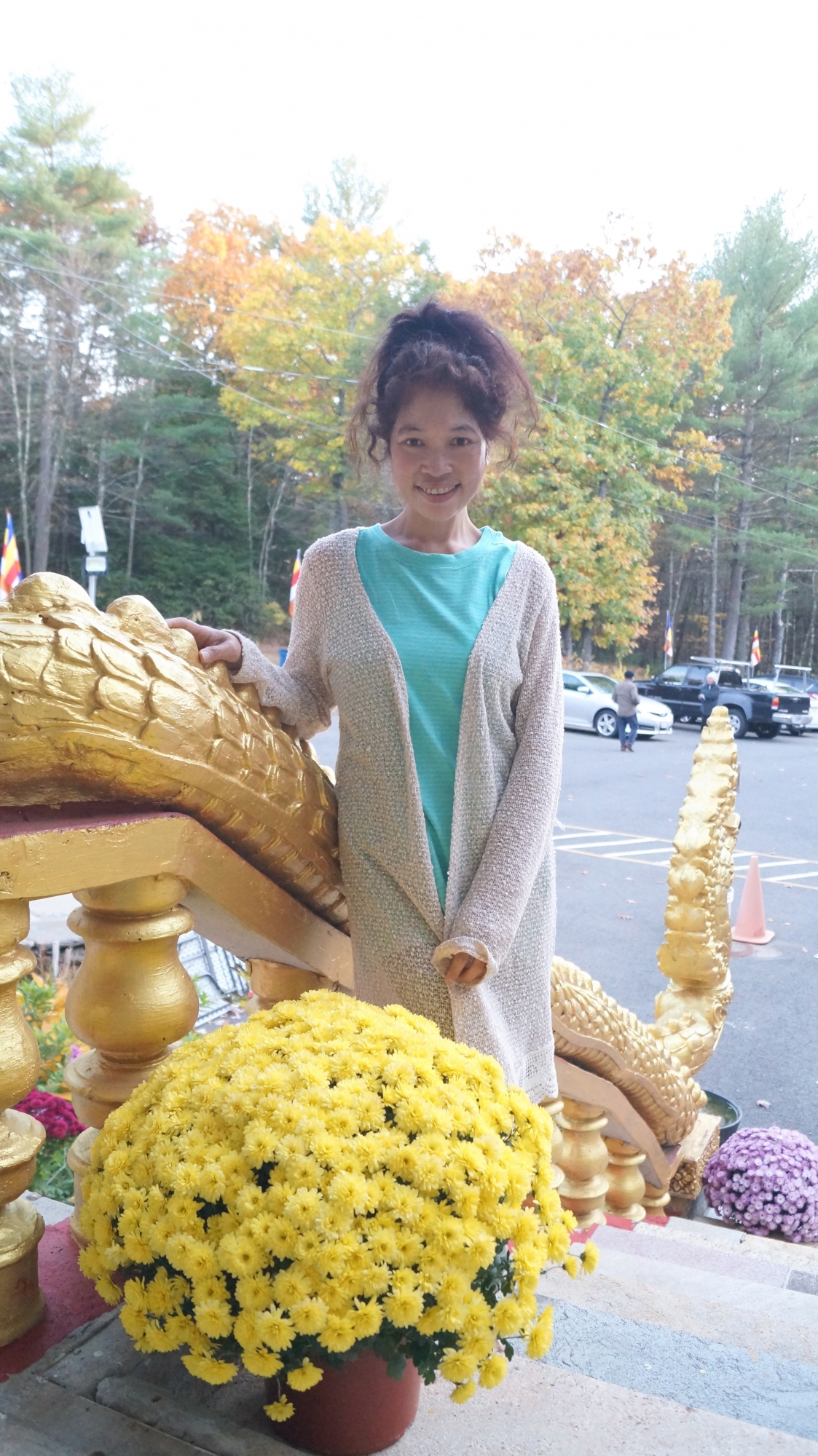
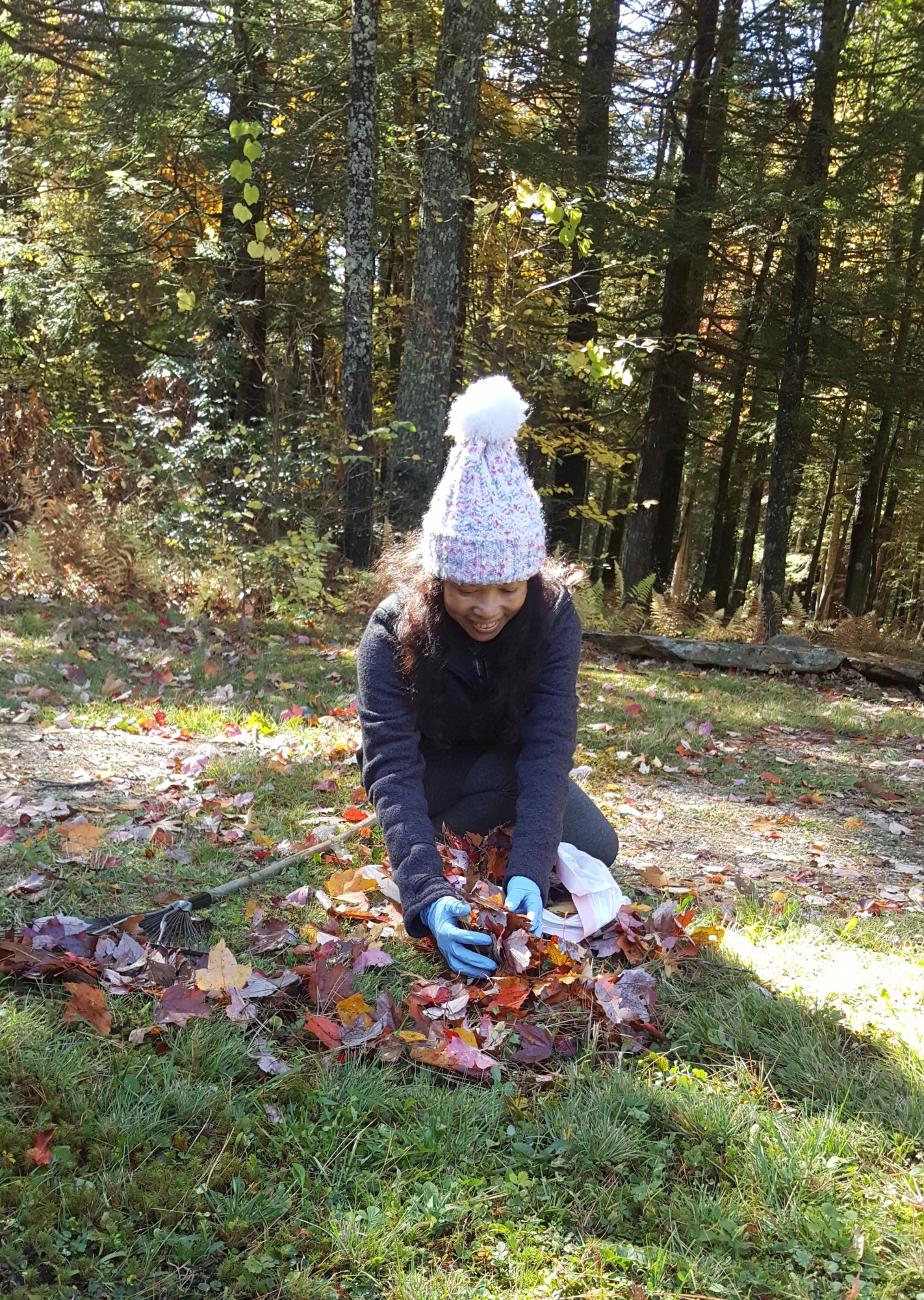
    Jendhamuni at Kiryvongsa Bopharam temple on October 24, 2020

  2. Setting the tone for your entire day

    Comment

    The best period to begin formal practice is first thing in the morning after a good night’s sleep, at which point the mind is most refreshed and relaxed, before getting involved with all the daily stuff. Taking the time to practice before you leave the house for work or to run whatever errands you have to do sets the tone for your entire day, and also reinforces your own commitment to practice throughout the day. ~ Mingyur Rinpoche

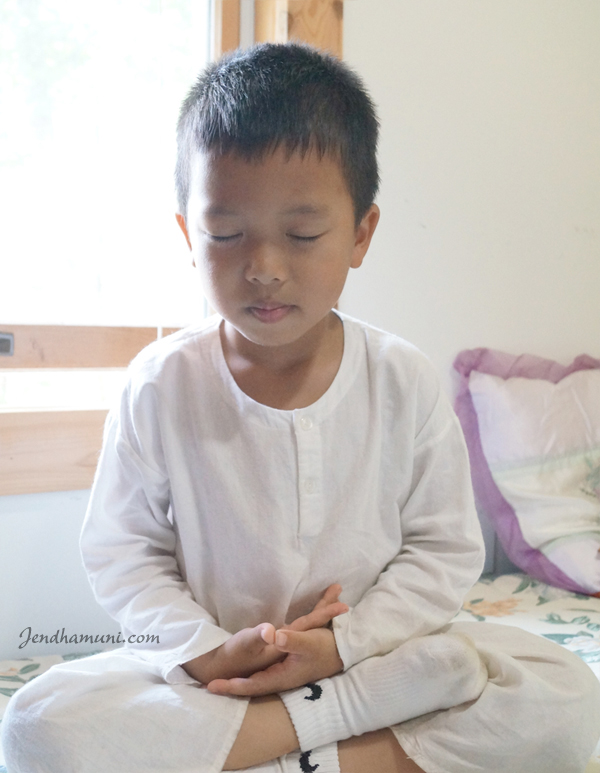
    Ananda at Wachusett Mountain on November 15, 2020.


  3. Difficult relationships

    2

    But often it is a seemingly irresolvable relationship that teaches us the most, once we’re willing to be vulnerable and honest, once we’re willing to connect with what Chogyam Trungpa called “the genuine heart of sadness.” As warriors in training we do our best to hold the person in our heart without any hypocrisy. One thing we can do with a difficult relationship is to place a picture of the person somewhere we will see it often and think, “I wish for your deepest well-being”. Or we can write down the person’s name, along with the aspiration that they may be safe, may be happy, may live in peace. Regardless of what specific action we take, our aspiration is to benefit the other person and wish them well. ~ Pema Chödron


  4. Bring more loving awareness to ourselves and the world around us

    Comment

    Right Effort is about the effort to be present and bring more loving awareness to ourselves and the world around us. Wise effort—the effort to be present—can also be called an act of love, for it invites us to show up for this life with open arms, open awareness, and an open heart, and to see what’s true in the world around us. By becoming present with love, we discover it is the gateway to freedom and liberation. —Jack Kornfield


  5. Equanimity — a complement to the practices of lovingkindness and compassion

    2

    Equanimity is often taught as a complement to the practices of lovingkindness and compassion because it’s understood in Buddhist psychology that if we only practice lovingkindness and compassion, we can mistakenly get attached to the way we think things are supposed to be. We then might grasp and struggle with the world rather than serving it. Meditation can help us be steady and balanced in the midst of constant change. — Jack Kornfield

  6. Live through the changes of life with grace, wisdom, and compassion

    Comment

    In the stress and complexity of our lives, we may forget our deepest intentions. But when people come to the end of their life and look back, the questions that they most often ask are not usually, “How much is in my bank account?” or “How many books did I write?” or “What did I build?” or the like. If you have the privilege of being with a person who is aware at the time of his or her death, you find the questions such a person asks are very simple: “Did I love well?” “Did I live fully?” “Did I learn to let go?”

    These simple questions go to the very center of spiritual life. When we consider loving well and living fully, we can see the ways our attachments and fears have limited us, and we can see the many opportunities for our hearts to open. Have we let ourselves love the people around us, our family, our community, the earth upon which we live? And, did we also learn to let go? Did we learn to live through the changes of life with grace, wisdom, and compassion? Have we learned to forgive and live from the spirit of the heart instead of the spirit of judgment?

    Letting go is a central theme in spiritual practice, as we see the preciousness and brevity of life. When letting go is called for, if we have not learned to do so, we suffer greatly, and when we get to the end of our life, we may have what is called a crash course. Sooner or later we have to learn to let go and allow the changing mystery of life to move through us without our fearing it, without holding and grasping. —Jack Kornfield


  7. Respect each other and refrain from disputes

    2

    You should respect each other and refrain from disputes; you should not, like water and oil, repel each other, but should, like milk and water, mingle together. — Buddha

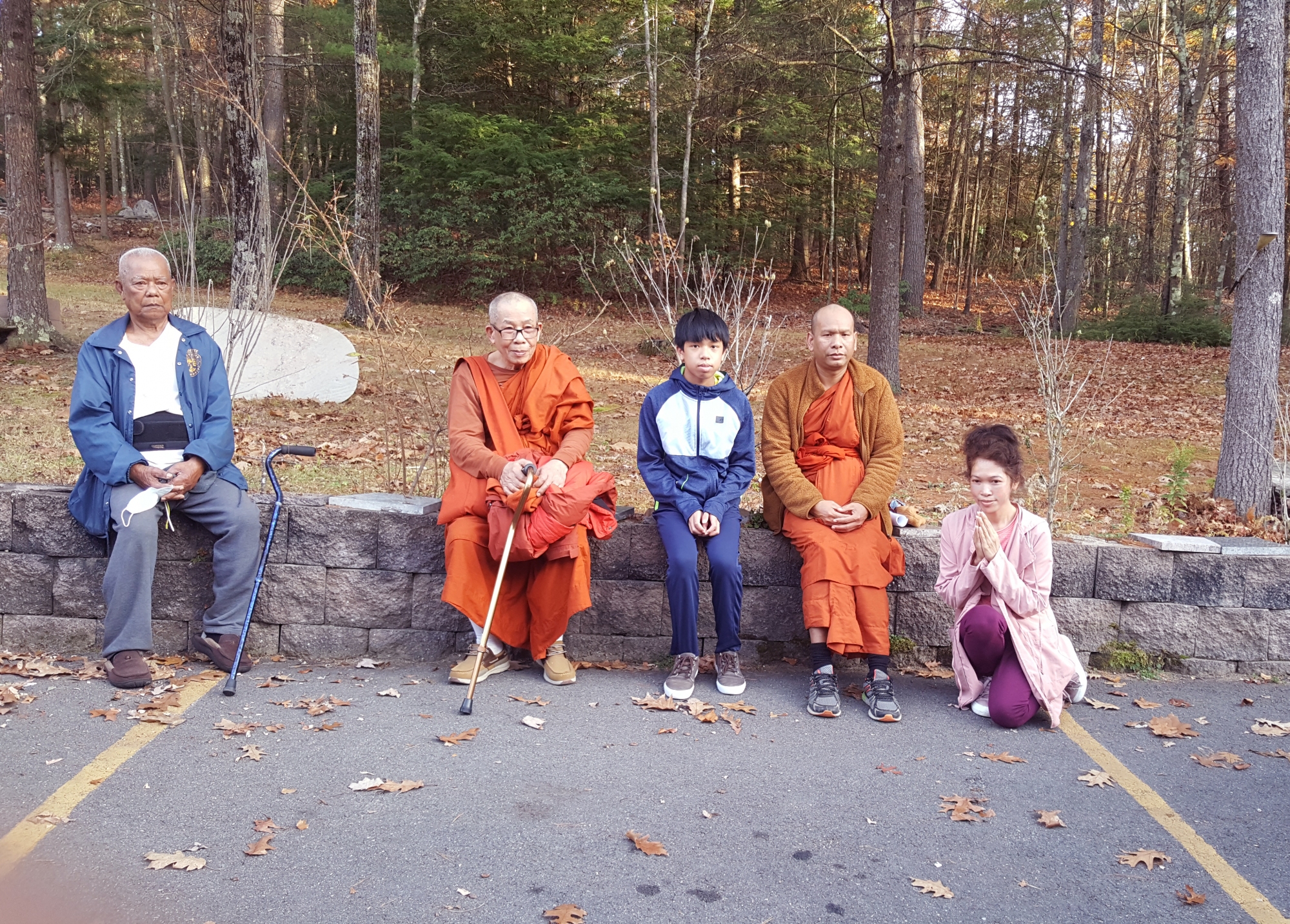
    From left: Mr. Noy Sin, Ven. Dejapanno Phorn Pheap, Ananda, Ven. Vey Vey and Jendhamuni at Kiryvongsa Bopharam temple on November 7, 2020.

  8. Joy and sadness

    25

    The walls we build around us to keep out the sadness also keep out the joy. ~Jim Rohn


  9. Calm your mind

    Comment


    To calm the mind means to find the right balance. If you try to force your mind too much it goes too far; if you don’t try enough it doesn’t get there, it misses the point of balance.

    Normally the mind isn’t still, it’s moving all the time. We must strengthen the mind. Making the mind strong and making the body strong are not the same. To make the body strong we have to exercise it, to push it, in order to make it strong, but to make the mind strong means to make it peaceful, not to go thinking of this and that. For most of us the mind has never been peaceful, it has never had the energy of samādhi2, so we must establish it within a boundary. We sit in meditation, staying with the ‘one who knows’.

    If we force our breath to be too long or too short, we’re not balanced, the mind won’t become peaceful. It’s like when we first start to use a pedal sewing machine. At first we just practise pedalling the machine to get our coordination right, before we actually sew anything. Following the breath is similar. We don’t get concerned over how long or short, weak or strong it is, we just note it. We simply let it be, following the natural breathing. —Ajahn Chah


  10. Don’t look down on others

    4

    We judge others instantly by their clothes, their cars, their appearance, their race, their education, their social status. The list is endless. What gets me is that most people decide who another person is before they have even spoken to them. What’s even worse is that these same people decide who someone else is, and don’t even know who they are themselves. ― Ashly Lorenzana

    Jendhamuni at Wat Kiryvongsa Bopharam on October 17, 2020.

Live & Die for Buddhism

candle

Me & Grandma

My Reflection

This site is a tribute to Buddhism. Buddhism has given me a tremendous inspiration to be who and where I am today. Although I came to America at a very young age, however, I never once forget who I am and where I came from. One thing I know for sure is I was born as a Buddhist, live as a Buddhist and will leave this earth as a Buddhist. I do not believe in superstition. I only believe in karma.

A Handful of Leaves

A Handful of Leaves

Tipitaka: The pali canon (Readings in Theravada Buddhism). A vast body of literature in English translation the texts add up to several thousand printed pages. Most -- but not all -- of the Canon has already been published in English over the years. Although only a small fraction of these texts are available here at Access to Insight, this collection can nonetheless be a very good place to start.

Major Differences

Major Differences in Buddhism

Major Differences in Buddhism: There is no almighty God in Buddhism. There is no one to hand out rewards or punishments on a supposedly Judgement Day ...read more

Problems we face today

jendhamuni pink scarfnature

Of the many problems we face today, some are natural calamities and must be accepted and faced with equanimity. Others, however, are of our own making, created by misunderstanding, and can be corrected...