1. Know the sweet joy of living

    Comment

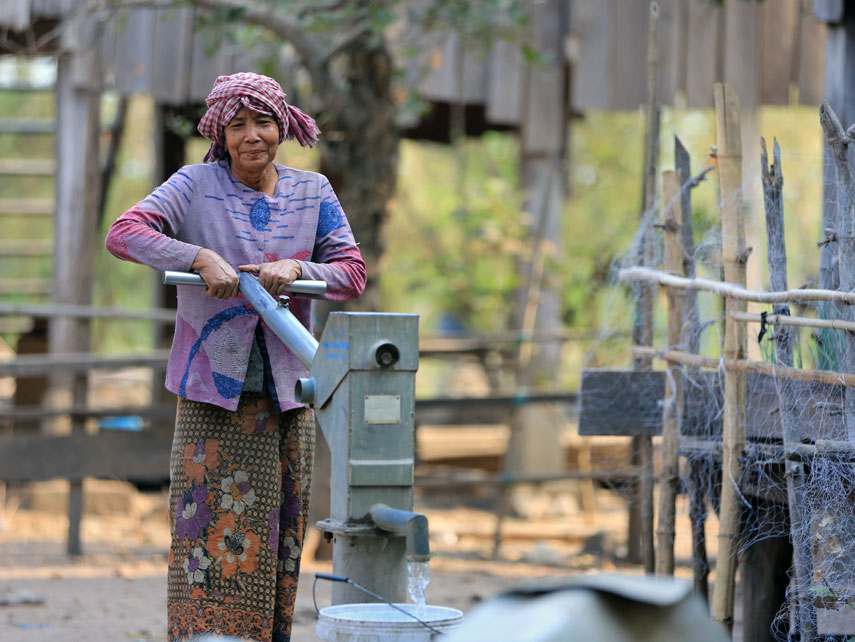
    There is no fire like greed,
    No crime like hatred.
    No sorrow like separation,
    No sickness like hunger of heart,
    And no joy like the joy of freedom.
    Health, contentment and trust
    Are your greatest possessions,
    And freedom your greatest joy.
    Look within, be still
    Free from fear and attachment,
    Know the sweet joy of living in the way.

    ~Dhammapada

    RFA photo


  2. A smile for you….

    Comment

    Thousands of languages around this world but “smile” can beat them all because “smile” is the language even a baby can speak. ~sms


  3. Cultivating emotions

    Comment

    girl071215

    The idea of cultivating emotions in meditation might strike some of us as being a bit odd: after all, don’t emotions “just happen”? It often seems like they well up inside of ourselves unbidden, and come and go like the weather.

    A lot of the language we use to talk about emotions suggests a lack of control. For example, we “fall” in love, or we are “overcome” with anger, or we feel “depressed” (who’s doing the depressing), or we feel “overburdened” with stress, or people “make” us annoyed.

    From a Buddhist point of view it is not the case that emotions “just happen”. Emotions are habits, and are actively created. It seems like they have a life of their own because we aren’t conscious of exactly how we create them. If we can bring more awareness into our emotional life then we can cultivate the emotions we want to experience (those that make us and others happy), and discourage the arising of those we don’t want (those that make us unhappy and generate conflict with others).

    Buddhist meditation encourages us to take responsibility for our emotional states.

    We cultivate emotions all the time. An example of how we unconsciously generate emotions is this: imagine you’re with a group of people, and you get to talking about all the things that are wrong with the world — hatred, war, intolerance, child-abuse, pollution etc. As the conversation goes on, and we get more and more involved, what happens? The chances are that we get angry, or depressed, or feel self-righteous. By focusing on things that anger or depress you (without creatively trying to see what you can actually do about these things), you cultivate these emotions.

    Imagine if you did that with things that encouraged a sense of love and well-being? That’s what the Metta Bhavana practice is about. It’s a meditation practice in which we consciously set up the conditions for the arising of positive emotion.

    Source: http://www.wildmind.org


  4. September

    Comment

    A road like brown ribbon
    A sky that is blue
    A forest of green
    With that sky peeping through.
    Asters, deep purple,
    A grasshopper’s call,
    Today it is summer,
    Tomorrow is fall.

    ~Unknown

    leavesrain070815

  5. The Ten Precepts

    1

    buddhalife

    Dasa-sila

    These training rules are observed by novice monks and nuns. They are derived from the Eight Precepts by splitting the precept concerning entertainments into two parts and by adding one rule prohibiting the handling of money.

    A fully-ordained monk (bhikkhu) observes the 227 rules of the bhikkhu Patimokkha; a fully ordained nun (bhikkhuni) would observe the 311 rules of the bhikkhuni Patimokkha.

    The Ten Precepts:

    1. Panatipata veramani sikkhapadam samadiyami
    I undertake the precept to refrain from destroying living creatures.

    2. Adinnadana veramani sikkhapadam samadiyami
    I undertake the precept to refrain from taking that which is not given.

    3. Abrahmacariya veramani sikkhapadam samadiyami
    I undertake the precept to refrain from sexual activity.

    4. Musavada veramani sikkhapadam samadiyami
    I undertake the precept to refrain from incorrect speech.

    5. Suramerayamajja pamadatthana veramani sikkhapadam samadiyami
    I undertake the precept to refrain from intoxicating drinks and drugs which lead to carelessness.

    6. Vikalabhojana veramani sikkhapadam samadiyami
    I undertake the precept to refrain from eating at the forbidden time (i.e., after noon).

    7. Nacca-gita-vadita-visuka-dassana veramani sikkhapadam samadiyami
    I undertake the precept to refrain from dancing,singing, music, going to see entertainments.

    8. Mala-gandha-vilepana-dharana-mandana-vibhusanatthana veramani sikkhapadam samadiyami
    I undertake the precept to refrain from wearing garlands, using perfumes, and beautifying the body with cosmetics.

    9. Uccasayana-mahasayana veramani sikkhapadam samadiyami
    I undertake the precept to refrain from lying on a high or luxurious sleeping place.

    10. Jatarupa-rajata-patiggahana veramani sikkhapadam samadiyami
    I undertake the precept to refrain from accepting gold and silver (money).

    Source: Access to Insight


  6. The Eight Precepts

    Comment

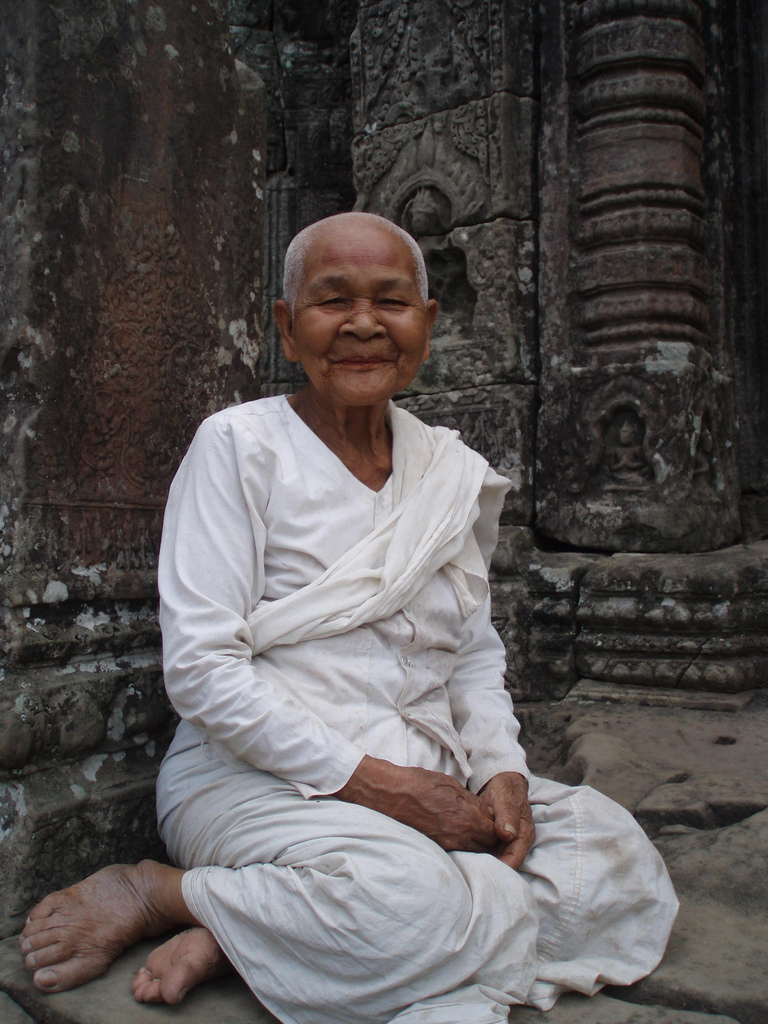
    nun

    Attha-sila

    These training rules are observed by laypeople during periods of intensive meditation practice and during uposatha (lunar observance) days. The Eight Precepts are based on the Five Precepts, with the third precept extended to prohibit all sexual activity and an additional three precepts that are especially supportive to meditation practice.

    The Eight Precepts:

    1. Panatipata veramani sikkhapadam samadiyami
    I undertake the precept to refrain from destroying living creatures.

    2. Adinnadana veramani sikkhapadam samadiyami
    I undertake the precept to refrain from taking that which is not given.

    3. Abrahmacariya veramani sikkhapadam samadiyami
    I undertake the precept to refrain from sexual activity.

    4. Musavada veramani sikkhapadam samadiyami
    I undertake the precept to refrain from incorrect speech.

    5. Suramerayamajja pamadatthana veramani sikkhapadam samadiyami
    I undertake the precept to refrain from intoxicating drinks and drugs which lead to carelessness.

    6. Vikalabhojana veramani sikkhapadam samadiyami
    I undertake the precept to refrain from eating at the forbidden time (i.e., after noon).

    7. Nacca-gita-vadita-visukkadassana mala-gandha-vilepana-dharana-mandana-vibhusanathana veramani sikkhapadam samadiyami
    I undertake the precept to refrain from dancing, singing, music, going to see entertainments, wearing garlands, using perfumes, and beautifying the body with cosmetics.

    8. Uccasayana-mahasayana veramani sikkhapadam samadiyami
    I undertake the precept to refrain from lying on a high or luxurious sleeping place.

    Source: Access to Insight

  7. The Five Precepts

    Comment

    littlenuns

    Pañca-sila

    These basic training rules are observed by all practicing lay Buddhists. The precepts are often recited after reciting the formula for taking refuge in the Buddha, Dhamma, and Sangha.

    The Five Precepts:

    1. Panatipata veramani sikkhapadam samadiyami
    I undertake the precept to refrain from destroying living creatures.

    2. Adinnadana veramani sikkhapadam samadiyami
    I undertake the precept to refrain from taking that which is not given.

    3. Kamesu micchacara veramani sikkhapadam samadiyami

    I undertake the precept to refrain from sexual misconduct.

    4. Musavada veramani sikkhapadam samadiyami
    I undertake the precept to refrain from incorrect speech.

    5. Suramerayamajja pamadatthana veramani sikkhapadam samadiyami
    I undertake the precept to refrain from intoxicating drinks and drugs which lead to carelessness.

    Five faultless gifts

    “There are these five gifts, five great gifts — original, long-standing, traditional, ancient, unadulterated, unadulterated from the beginning — that are not open to suspicion, will never be open to suspicion, and are unfaulted by knowledgeable contemplatives & brahmans. Which five?

    “There is the case where a disciple of the noble ones, abandoning the taking of life, abstains from taking life. In doing so, he gives freedom from danger, freedom from animosity, freedom from oppression to limitless numbers of beings. In giving freedom from danger, freedom from animosity, freedom from oppression to limitless numbers of beings, he gains a share in limitless freedom from danger, freedom from animosity, and freedom from oppression. This is the first gift, the first great gift — original, long-standing, traditional, ancient, unadulterated, unadulterated from the beginning — that is not open to suspicion, will never be open to suspicion, and is unfaulted by knowledgeable contemplatives & brahmans… Continue reading

Live & Die for Buddhism

candle

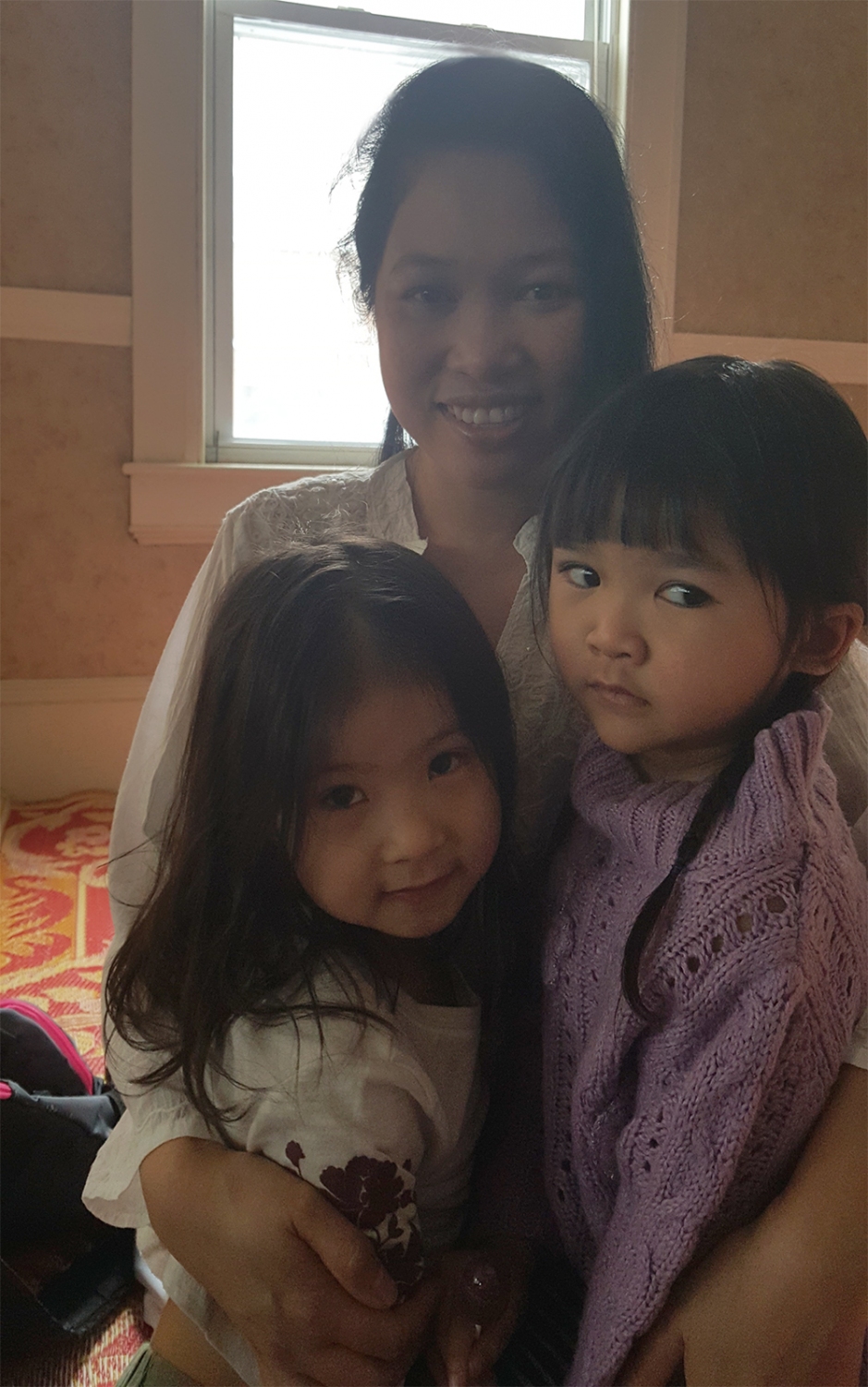
Me & Grandma

My Reflection

This site is a tribute to Buddhism. Buddhism has given me a tremendous inspiration to be who and where I am today. Although I came to America at a very young age, however, I never once forget who I am and where I came from. One thing I know for sure is I was born as a Buddhist, live as a Buddhist and will leave this earth as a Buddhist. I do not believe in superstition. I only believe in karma.

A Handful of Leaves

A Handful of Leaves

Tipitaka: The pali canon (Readings in Theravada Buddhism). A vast body of literature in English translation the texts add up to several thousand printed pages. Most -- but not all -- of the Canon has already been published in English over the years. Although only a small fraction of these texts are available here at Access to Insight, this collection can nonetheless be a very good place to start.

Major Differences

Major Differences in Buddhism

Major Differences in Buddhism: There is no almighty God in Buddhism. There is no one to hand out rewards or punishments on a supposedly Judgement Day ...read more

Problems we face today

jendhamuni pink scarfnature

Of the many problems we face today, some are natural calamities and must be accepted and faced with equanimity. Others, however, are of our own making, created by misunderstanding, and can be corrected...