No such thing as ‘lucky day’ or ‘lucky color’ etc. in Buddhism.
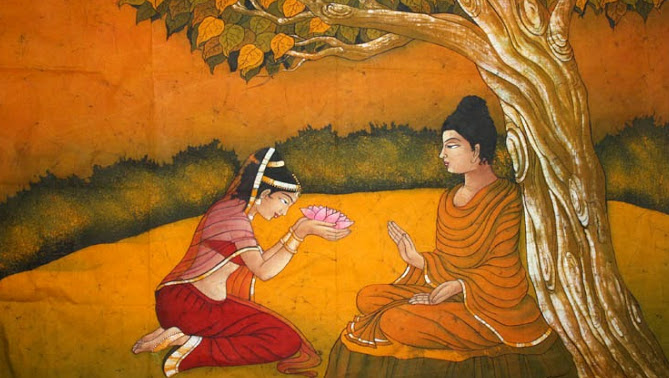
Using well-spoken words, humility, contentment, gratitude and hearing the good Dhamma; this is the best good luck
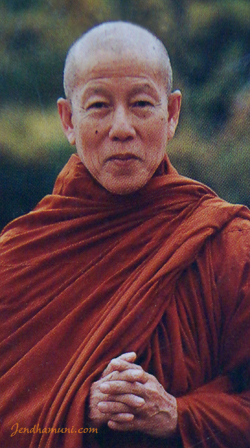
The Buddha considered such practices as fortune telling, wearing magic charms for protection, fixing lucky sites for building, prophesizing and fixing lucky days to be useless superstitions and he expressly forbids his disciples to practice such things. He calls all these things ‘low arts.’
“Whereas some religious men, while living of food provided by the faithful make their living by such low arts, such wrong means of livelihood as palmistry, divining by signs, interpreting dreams… bringing good or bad luck… invoking the goodness of luck… picking the lucky site for a building, the monk Gotama refrains from such low arts, such wrong means of livelihood” by Venerable S. Dhammika
Source: http://www.buddhanet.net

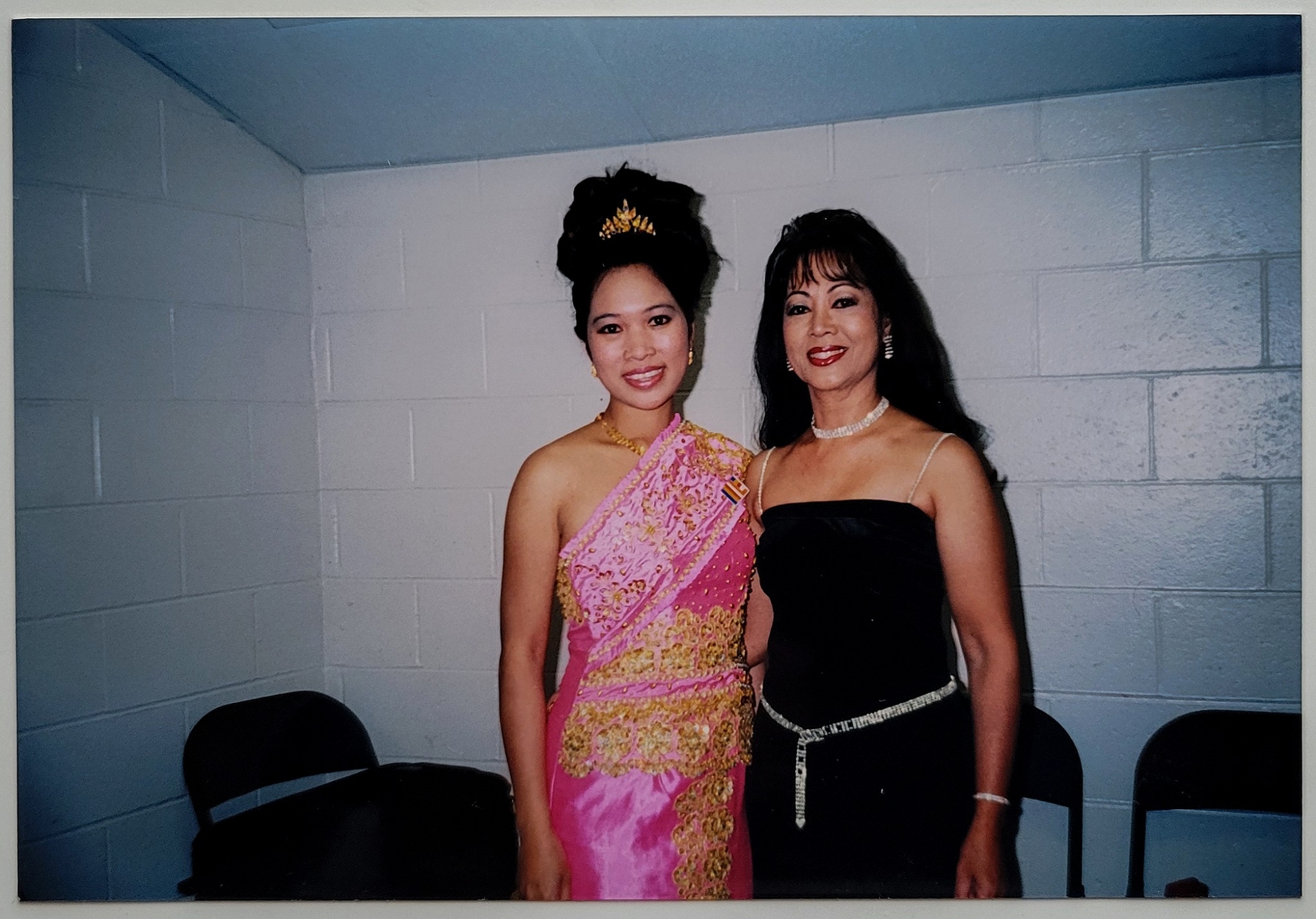
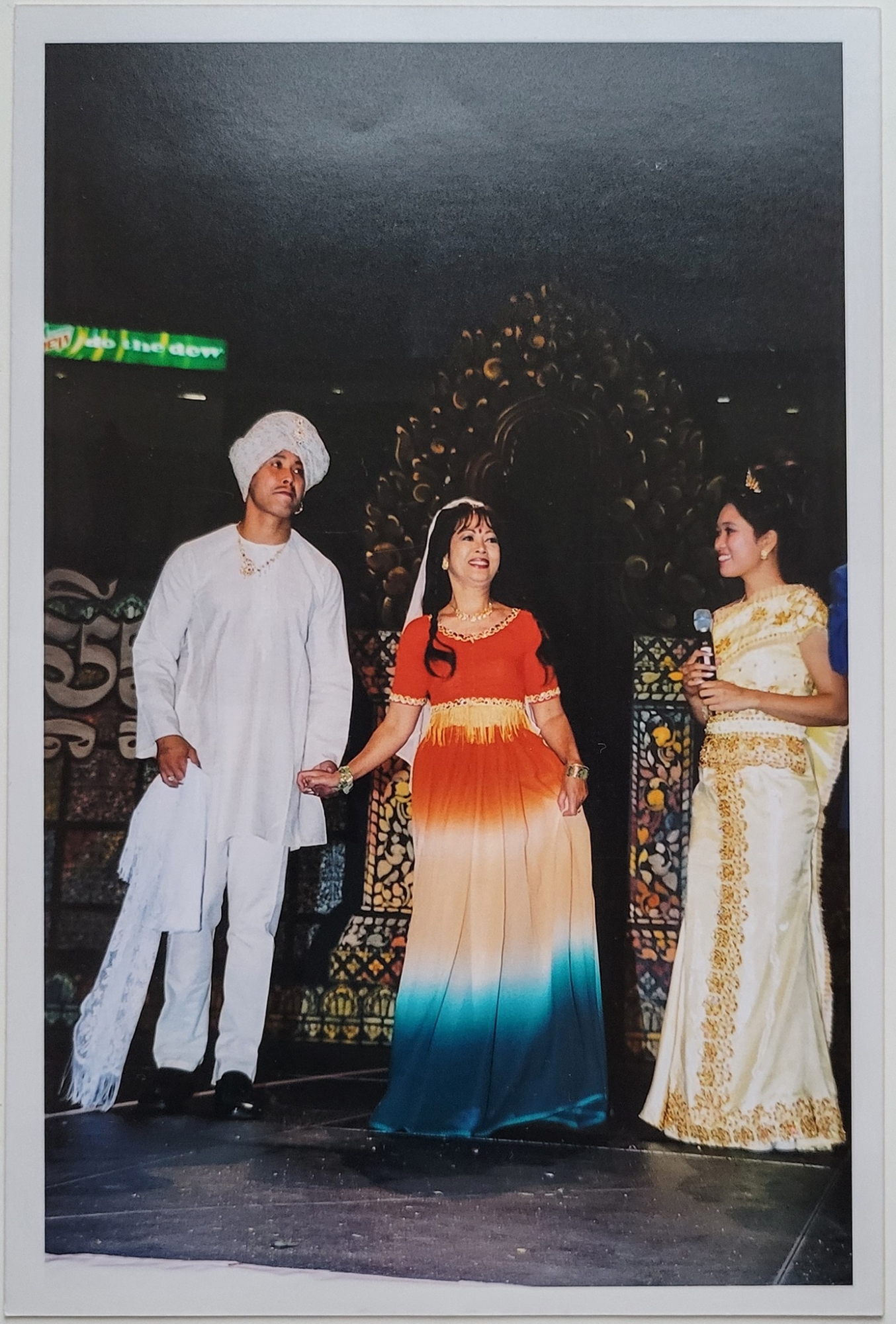
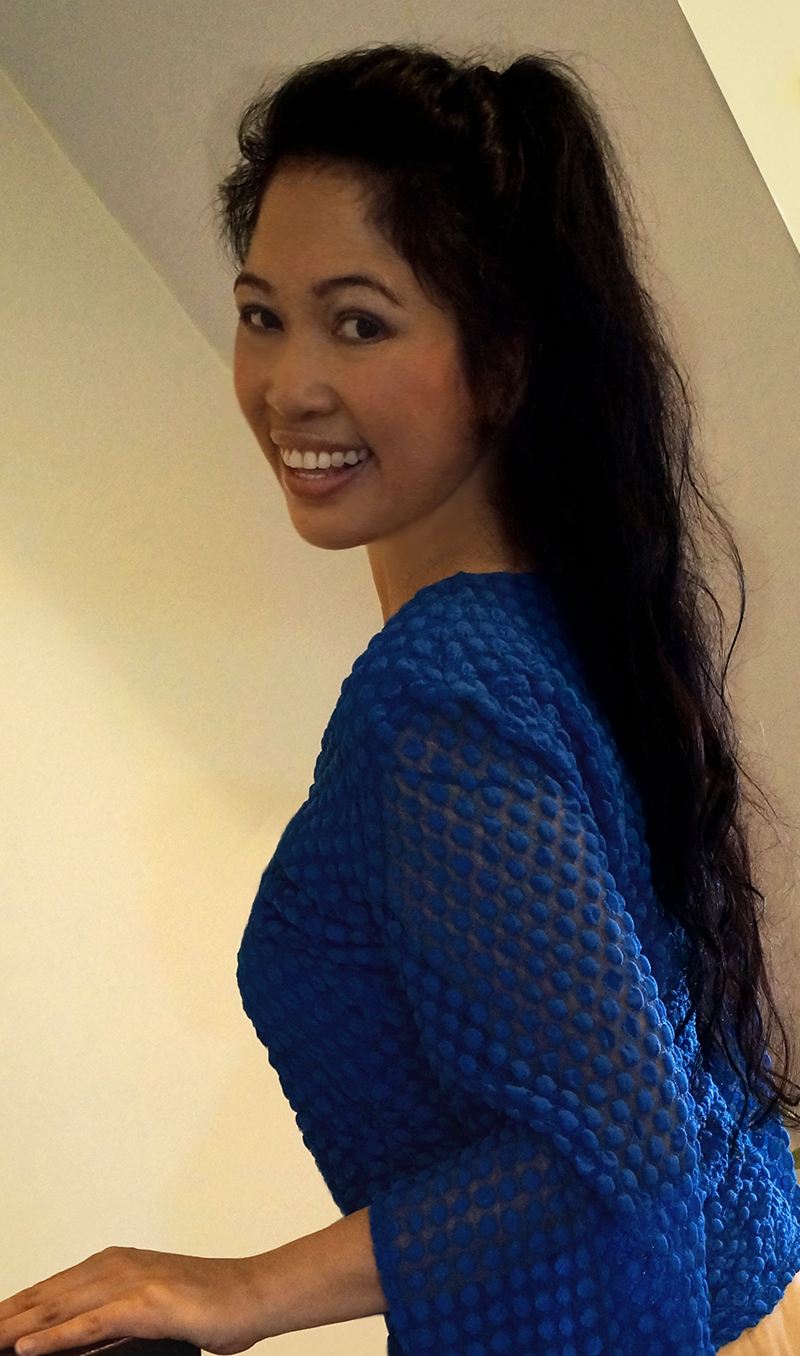
Frown and you frown alone, but smile and the whole world smiles with you.
With 19 variations on the smile, including 16 produced by enjoyable emotions, smiling is an incredibly important part of our lives. Here’s how to develop your grin.
A smile always looks good. Feeling nervous about the beauty or appearance of your smile is unnecessary. Trust that your smile makes you look great.
A smile is professional. Smiling at work or during other professional occasions is not going to make you seem unprofessional. Quite the opposite, a smile will humanize you and make you appear more approachable. People will appreciate your recognition of their worth and of a job well done when you smile.
A smile makes you real. If you’re afraid of appearing vulnerable when you smile, accept that any form of vulnerability suggested by a smile is precisely what makes it such a powerful act. You’re opening yourself up to others and people will respond better to that than to a serious, unmoved demeanor. Moreover, a smile accompanied by an assertive personality will take care of any sense that people will use your smile to walk all over you! Continue reading