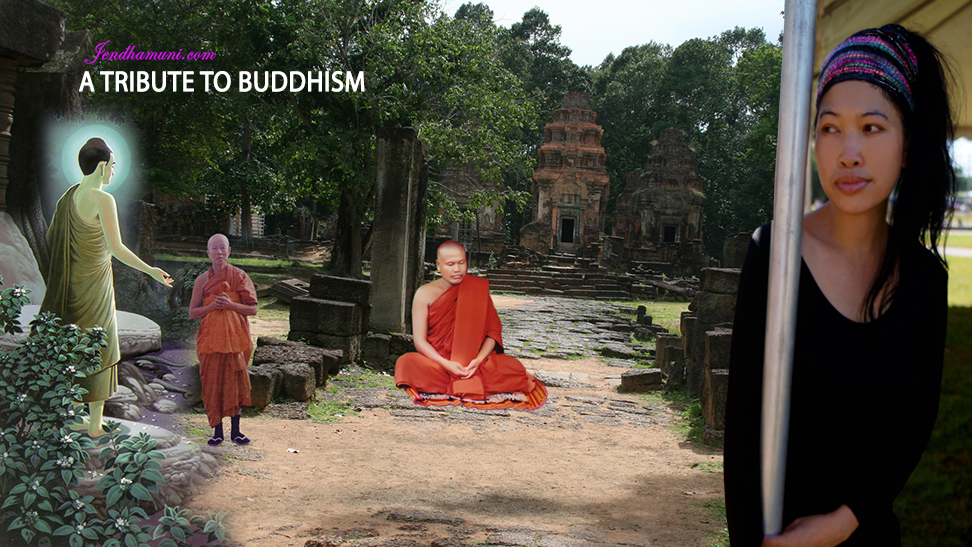
Be that woman
45
April 11, 2013

Be the woman you want
your daughter to be…
Be the woman you want
your son to date…

Be the woman you want
your daughter to be…
Be the woman you want
your son to date…

As the days go rolling by,
You have to keep reaching for the sky.
Let no one steer you away from your course
Cause you are your only energy source.
Keep on soaring both near and far;
Your light constantly shines
You’re a shining star.
~Poetry by Natasha Niemi
This is what Danny wrote
on his Facebook page,
13 hours before he died.


The loss of a loved one turns our life upside down.
Our world as we knew it has changed
and those changes require that
we in turn adjust to a new “normal.”
~Unknown

Speak the truth.
Give whatever you can.
Never be angry.
These three steps will lead you
Into the presence of the Gods.
~Buddha

We little knew that morning that God
Was going to call your name.
In life we loved you dearly,
In death we do the same.
It broke our hearts to lose you,
You did not go alone;
For part of us went with you,
The day God called you home.
You left us peaceful memories,
Your love is still our guide;
And though we cannot see you,
You are always at our side.
Our family chain is broken,
And nothing seems the same;
But as God calls us, one by one,
The Chain will link again.
Author unknown

I am your moon and your moonlight too
I am your flower garden and your water too.
I have come all this way eager for you,
without shoes or shawl.
I want you to laugh, to kill all your worries, to love you, to nourish you.
Oh sweet bitterness, I will soothe you and heal you.
I will bring you roses. I too have been covered with thorns
~Written by Rumi
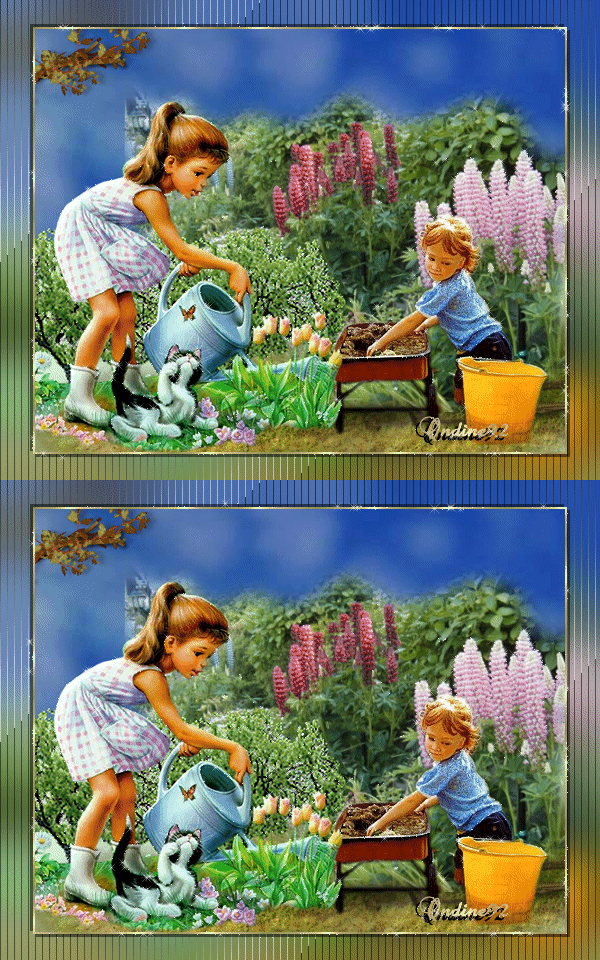
The practice of compassion begins at home. We have our parents, our children, and our brothers and sisters, who perhaps irritate us the most, and we begin our practice of loving-kindness and compassion with them. Then gradually we extend our compassion out into our greater community, our country, neighbouring countries, the world, and finally to all sentient beings equally without exception.
Extending compassion in this way makes it evident that it is not very easy to instantly have compassion for “all sentient beings.” Theoretically it may be comfortable to have compassion for “all sentient beings,” but through our practice we realize that “all sentient beings” is a collection of individuals. When we actually try to generate compassion for each and every individual, it becomes much more challenging. But if we cannot work with one individual, then how can we work with all sentient beings? Therefore it is important for us to reflect more practically, to work with compassion for individuals and then extend that compassion further.
~ Dilgo Khyentse Rinpoche, Trainings in Compassion
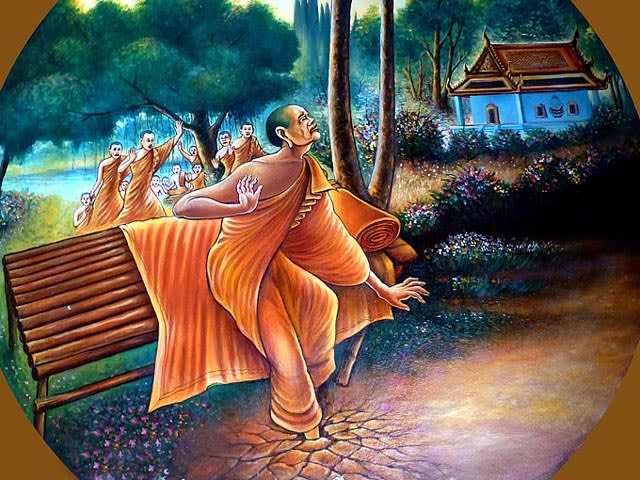
Photo caption: Devadatta is taken to hell (avici), alive, by Mother Earth after his three attempts to kill the Buddha had failed.
Buddhism teaches that everyone is responsible for his own good and bad deeds, and that each individual can mould his own destiny. Says the Buddha, “These evil deeds were only done by you, not by your parents, friends, or relatives; and you yourself will reap the painful results.”
Buddhism is a gentle religion where equality, justice and peace reign supreme. To depend on others for salvation is negative, but to depend on oneself is positive. Dependence on others means surrendering one’s intelligence and efforts.
In Buddhism, actions are merely termed as unskillful or unwholesome, not as sinful. Buddhists do not regard man as sinful by nature of ‘in rebellion against god’. Every human being is a person of great worth who has within himself a vast store of good as well as evil habits. The good in a person is always waiting for a suitable opportunity to flower and to ripen. Remember the saying, ‘There is so much that is good in the worst of us and so much that is bad in the best of us.’
By Venerable K. Sri Dhammananda


ព្រះត្រៃបិដក ប្រែថា កញ្រ្ចែង ឬ ល្អី ៣ សម្រាប់ដាក់ផ្ទុកពាក្យពេចន៍នៃព្រះសម្មាសម្ពុទ្ធ
The Tipitaka or Pali canon, is the collection of primary Pali language texts which form the doctrinal foundation of Theravada Buddhism. The three divisions of the Tipitaka are: Vinaya Pitaka, Sutta Pitaka, Abhidhamma Pitaka.
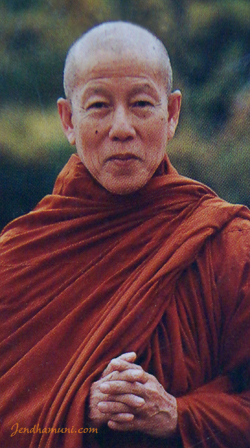
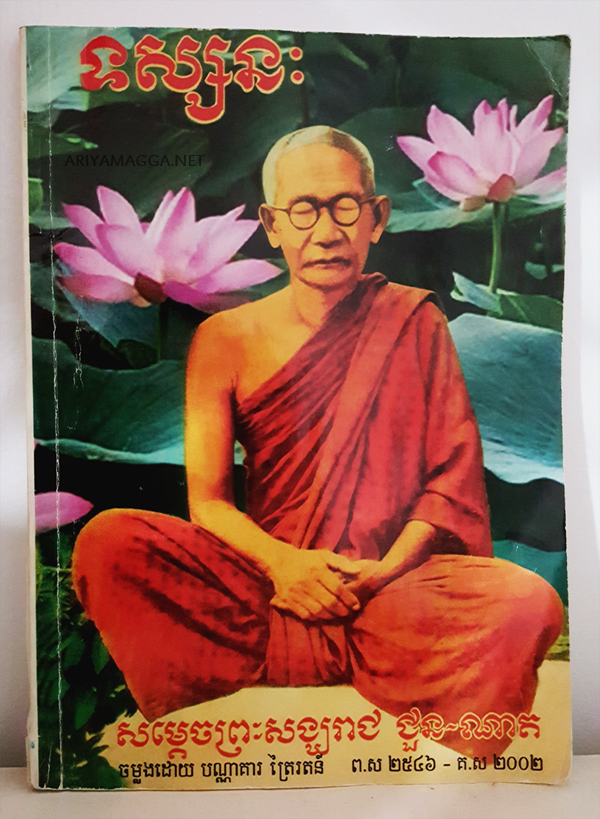
វចនានុក្រមសម្តេចសង្ឃ ជួន ណាត
Desktop version
Listen to Khmer literature and Dhamma talk by His Holiness Jotannano Chuon Nath, Supreme Patriarch of Cambodia Buddhism.

Should anyone wish to ridicule me and make me an object of jest and scorn why should I possibly care if I have dedicated myself to others?
Let them do as they wish with me so long as it does not harm them. May no one who encounters me ever have an insignificant contact.
Regardless whether those whom I meet respond towards me with anger or faith, may the mere fact of our meeting contribute to the fulfilment of their wishes.
May the slander, harm and all forms of abuse that anyone should direct towards me act as a cause of their enlightenment.

As a solid rock is not shaken by the wind, so the wise are not shaken by blame and praise. As a deep lake is clear and calm, so the wise become tranquil after they listened to the truth…
Good people walk on regardless of what happens to them. Good people do not babble on about their desires. Whether touched by happiness or by sorrow, the wise never appear elated or depressed. ~The Dhammapada